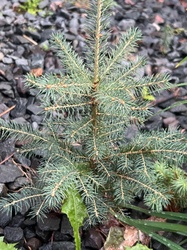
How to Care for Blue Spruce
Grow a striking silver-blue Colorado spruce with full sun, well-drained soil, and deep watering during dry spells.
Read the full Blue Spruce encyclopedia entry →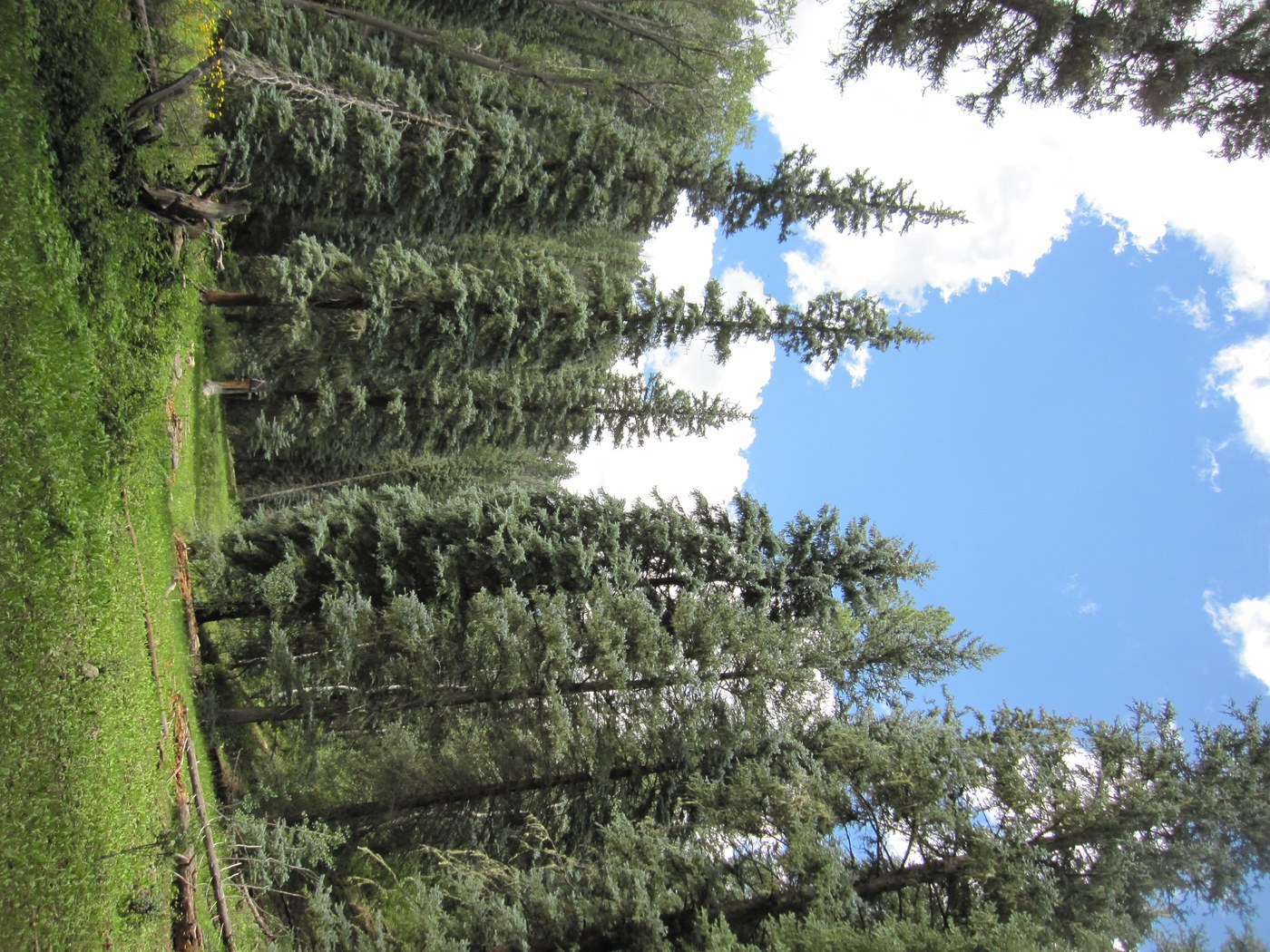
The Blue Spruce (Picea pungens) is a stately evergreen conifer prized for its stiff, silvery-blue needles and classic pyramidal form. It is an easy, cold-hardy landscape tree that rewards a sunny spot and good drainage with decades of year-round color.
Light
Blue Spruce demands full sun—at least six to eight hours of direct light daily. The brightest, most intense blue coloring develops in open, unshaded sites. In too much shade the tree grows thin and sparse, loses its dense conical shape, and becomes more prone to needle problems. Give it plenty of open sky and room to spread.
Water
Water is moderate but should be deep. Young, newly planted trees need consistent moisture for the first two to three years while the root system establishes; water slowly and deeply at the root zone rather than with frequent light sprinkles. Established trees are quite drought-tolerant but benefit from deep soakings during prolonged dry spells and heat. Avoid waterlogged soil, which the roots strongly dislike, and let the surface dry between deep waterings.
Soil & Potting
Plant in well-drained soil. Blue Spruce tolerates a range of soils—loam, sandy loam, even clay if it drains—and prefers slightly acidic to neutral pH. The one thing it will not accept is standing water around the roots. When planting, dig a wide hole no deeper than the root ball, backfill with native soil, and avoid burying the trunk flare. A generous ring of mulch (kept a few inches back from the trunk) conserves moisture and moderates soil temperature.
Humidity & Temperature
This is a mountain species built for cold. It is extremely cold-hardy and thrives where winters are frigid, tolerating harsh wind and snow. It handles low humidity well but struggles in hot, humid, poorly ventilated climates, where it becomes far more susceptible to fungal needle diseases. Good air circulation around the canopy is important in warmer regions.
Feeding
Blue Spruce needs little feeding. In poor soils a single spring application of a balanced, slow-release tree-and-shrub fertilizer supports steady growth. Avoid heavy nitrogen and late-season feeding, which can push tender growth. In average garden soil, an annual mulch top-up often supplies all the nutrition needed.
Propagation
Species Blue Spruce is typically grown from seed, which requires a period of cold stratification before sowing; seedlings show natural variation in color. Named blue cultivars do not come true from seed and are propagated by grafting onto rootstock, a technique best left to experienced growers and nurseries. Cuttings are difficult and root unreliably.
Repotting / Pruning
Blue Spruce needs minimal pruning—its natural pyramidal form is its main appeal. Remove only dead, damaged, or crossing branches, ideally in late winter or early spring. Do not shear into old wood, as spruce does not readily resprout from bare branches. If grown in a large container while young, pot up in spring into a deep, well-drained container, but the tree ultimately performs best planted in the ground.
Common Problems & Pests
The most common issues are fungal needle casts and cankers (such as those causing lower-branch dieback), which are worse in humid, crowded, or poorly drained settings—space trees well and keep foliage dry. Spruce spider mites can cause stippling and needle bronzing in hot, dry weather; a strong hose spray helps knock them back. Bagworms, aphids (which produce galls), and sawflies may also appear. Keeping the tree vigorous with proper siting and watering is the best defense.
Seasonal Care Tips
Plant in spring or early fall. Water deeply through the first summers and before the ground freezes in fall to guard against winter desiccation. Refresh mulch in spring. Inspect for mites during hot, dry mid-summer weather and for needle disease in wet springs. Little to no winter care is needed once established—this tree is in its element in the cold.
Frequently asked questions
Why is my Blue Spruce losing its blue color?
Fading blue usually means too little sun or new-growth green that hasn't developed its waxy coating yet. The blue comes from a natural waxy bloom on the needles; the strongest color appears on trees in full, open sun. Shade, dust, and handling can dull it.
How often should I water a newly planted Blue Spruce?
Water deeply once or twice a week for the first two to three years, more often in heat, keeping the root zone evenly moist but never soggy. Once established, deep watering only during extended dry spells is enough.
Why are the lower branches of my Blue Spruce turning brown and dying?
Lower-branch dieback is often a fungal canker or needle-cast disease, favored by humidity and poor air flow. Prune out affected branches in dry weather, improve spacing and drainage, and avoid wetting the foliage when watering.
Can I grow Blue Spruce in a container?
Young trees grow well in large, deep, well-drained containers for several years, but they eventually need to be planted in the ground where their roots have room and drainage is reliable. Keep container trees in full sun and never let them sit in water.
Blue Spruce identified by the community
Recent Blue Spruce specimens identified with Plant Identifier.