Blue Spruce
Picea pungens
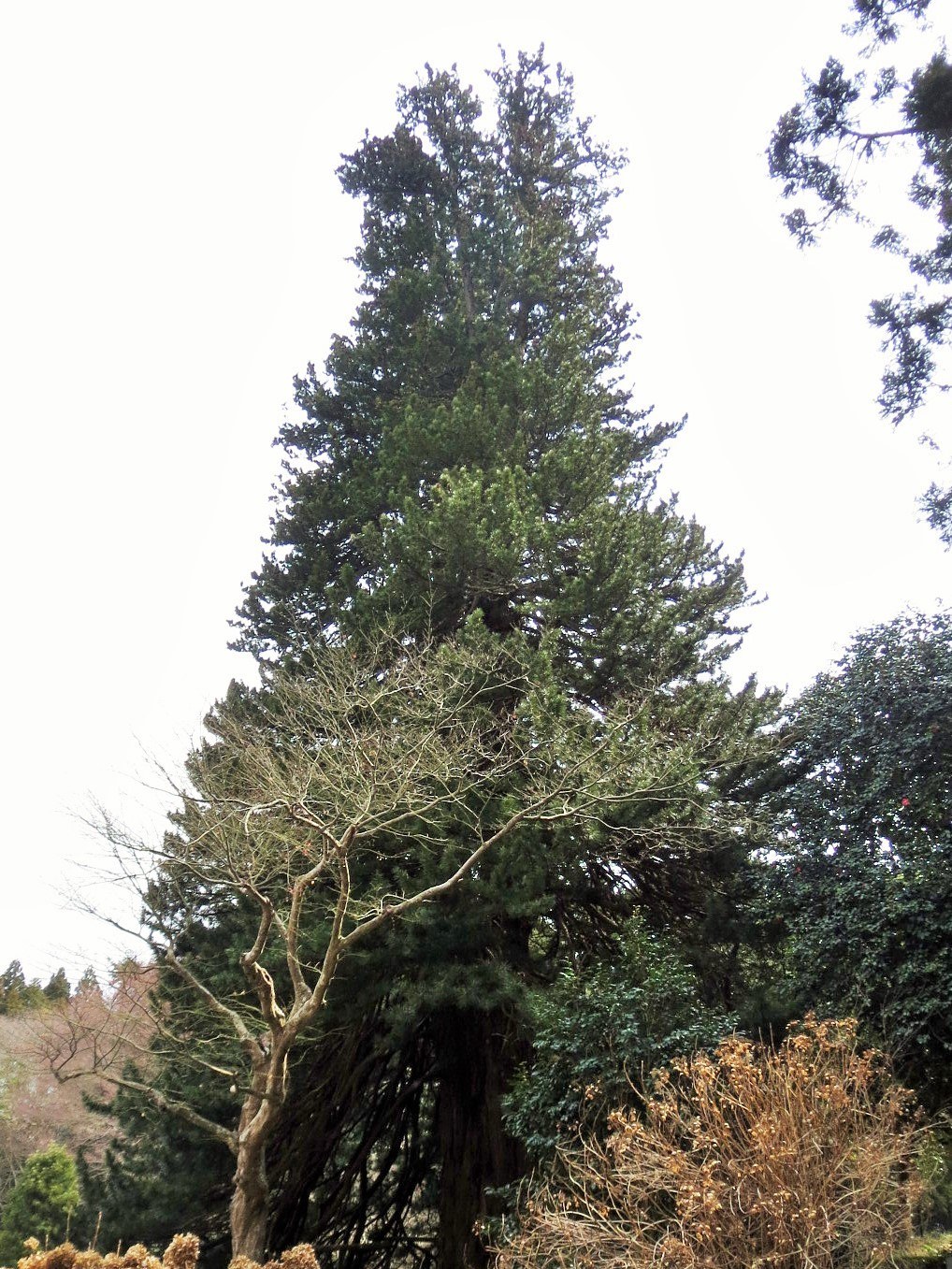
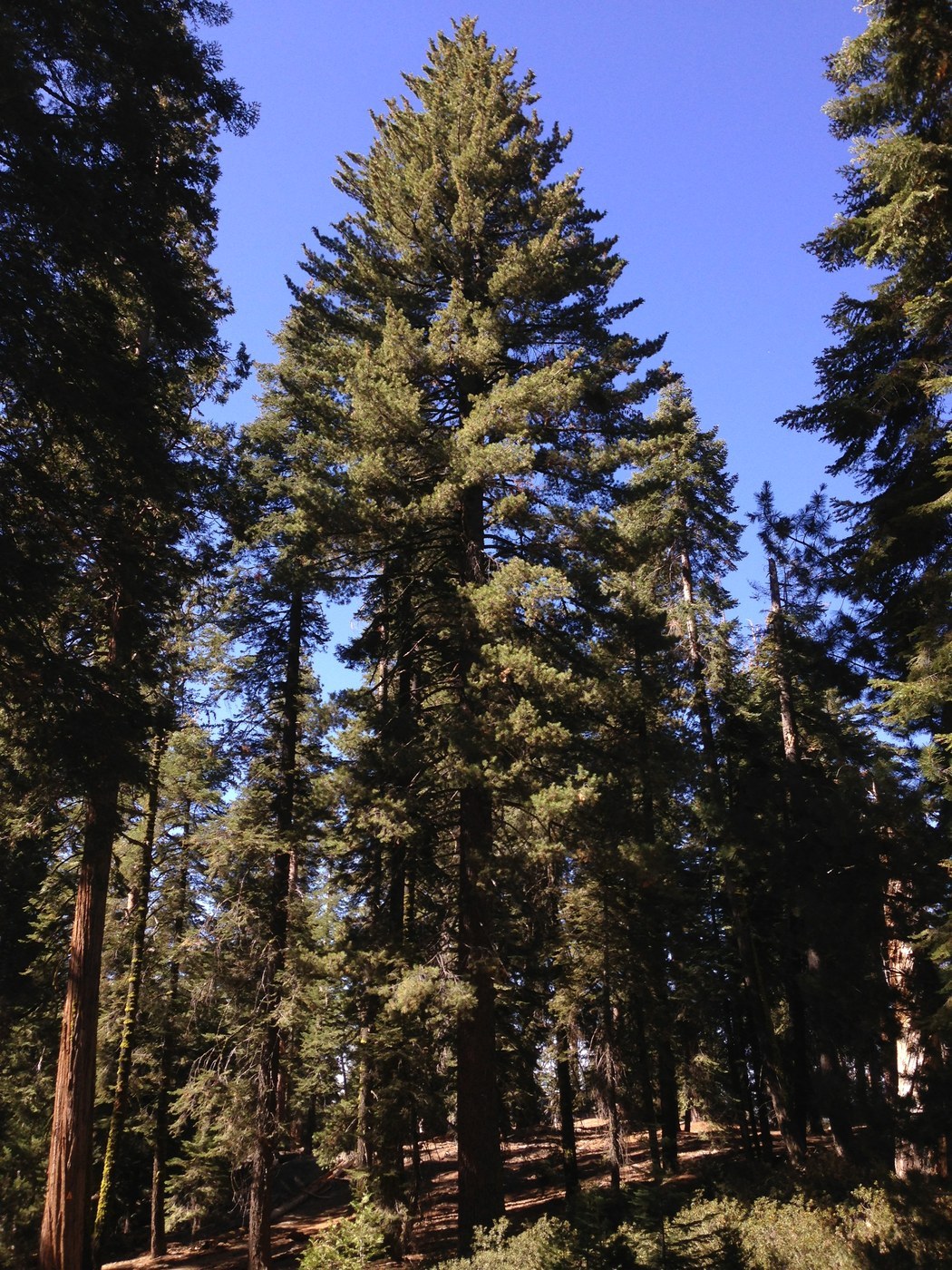
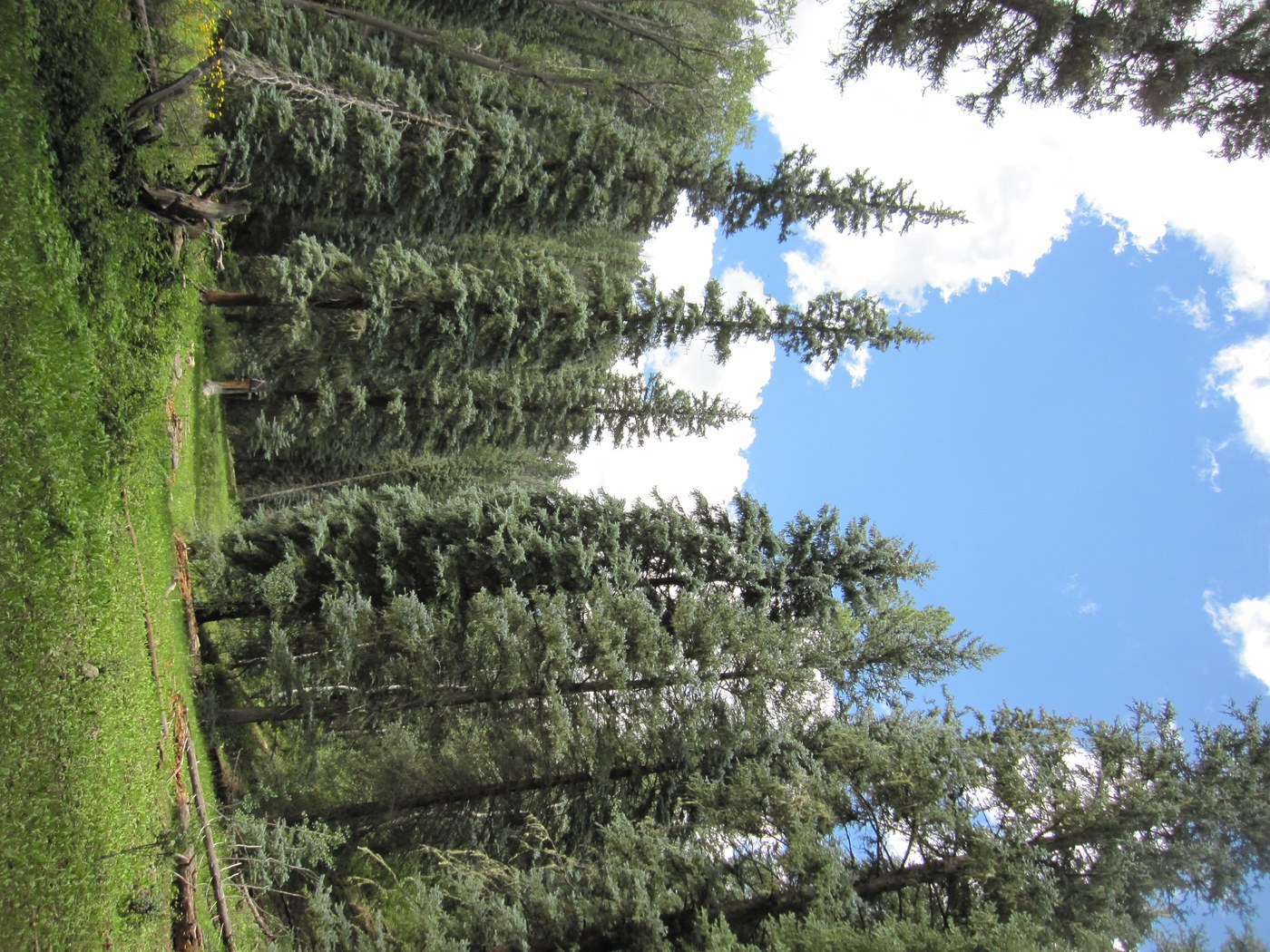
Blue Spruce is a striking conifer famous for its stiff, silvery-blue needles and classic pyramidal form. It is a popular ornamental and Christmas tree in cold climates.
- Light
- Full sun
- Water
- Moderate; deep watering during dry spells
- Difficulty
- Easy
Got a plant like this?
Identify any plant from a photo, free.
Overview
Blue Spruce (Picea pungens) is an evergreen conifer native to the Rocky Mountains of the western United States. It is celebrated for its powdery blue to silver-blue foliage, the color coming from a waxy coating on the needles.
It grows slowly into a dense, symmetrical pyramid and can reach 30 to 60 feet in cultivation, though wild trees may grow taller. Numerous cultivars such as 'Hoopsii' and 'Fat Albert' have been selected for especially intense blue color.
Hardy and cold-tolerant, it is one of the most widely planted ornamental spruces in temperate gardens and is also a favored living and cut Christmas tree.
How to identify it
Recognized at a glance by its color and rigid needles.
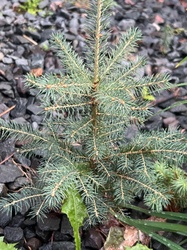
- Needles: Stiff, sharp, four-sided needles about 1 inch long, ranging from green to vivid silvery-blue, radiating all around the twig
- Form: Dense, narrow pyramidal shape with horizontal branches
- Cones: Cylindrical pendulous cones 2 to 4 inches long with papery, wavy-edged scales, green ripening to light brown
- Bark: Grey-brown and furrowed into scaly ridges with age
- Size: Commonly 30 to 60 feet tall in landscapes
Care & growing
A tough, cold-hardy conifer that thrives where summers are not too hot and humid.
- Light: Full sun for densest growth and best blue color
- Water: Moderate; deep watering during droughts, especially when young
- Soil: Prefers moist, well-drained, slightly acidic soil but tolerates many types
- Temperature: Very cold hardy (USDA zones 2 to 7); dislikes hot, humid climates
- Feeding: Light feeding in early spring if growth is poor; generally undemanding
- Propagation: Species from seed; named blue cultivars are grafted to preserve color
Habitat & origin
Native to the central and southern Rocky Mountains, particularly Colorado, Utah, and Wyoming, where it grows along streams and in mountain valleys at high elevations.
It is widely planted as an ornamental across North America, Europe, and other cool-temperate regions, and is the state tree of both Colorado and Utah.
Frequently asked questions
Why is Blue Spruce blue?
A natural waxy coating (bloom) on the needles reflects light and gives them a silvery-blue cast. The amount of wax, and thus the intensity of blue, varies between trees and cultivars.
How fast does it grow?
It is a slow to moderate grower, typically adding under 12 inches per year, which means it holds its tidy shape for a long time.
Can it handle hot climates?
Not well. Blue Spruce is happiest in cold to cool-temperate climates and tends to struggle with heat, humidity, and the diseases they encourage.
Does it make a good Christmas tree?
Yes. Its stiff branches hold heavy ornaments well and the blue color and good needle retention make it a popular choice.
Blue Spruce guides
In-depth guides for identifying, growing, and caring for Blue Spruce.
How to Care for Blue Spruce
Grow a striking silver-blue Colorado spruce with full sun, well-drained soil, and deep watering during dry spells.
Blue Spruce Identification Guide
Identify the Colorado Blue Spruce (Picea pungens) by its stiff, sharp, silvery-blue needles and classic conical Christmas-tree shape.
Blue Spruce identified by the community
Real specimens identified with Plant Identifier.