
How to Care for Bluebell
Woodland bulbs that carpet shade in nodding blue spring flowers; give dappled light, moisture in growth, and a dry dormancy.
Read the full Bluebell encyclopedia entry →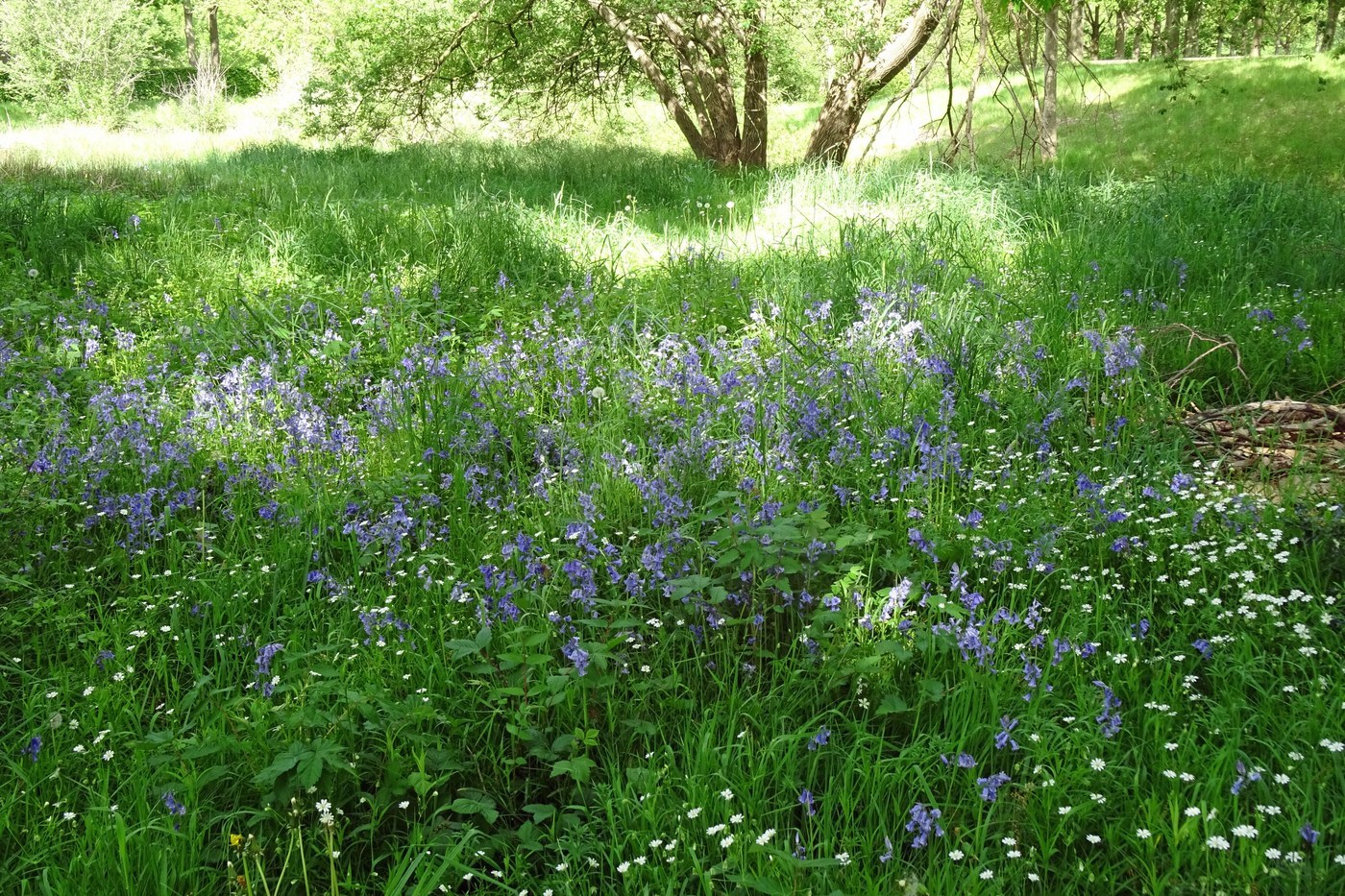
The Bluebell (Hyacinthoides non-scripta) is a beloved woodland bulb that produces arching stems of nodding, sweetly scented violet-blue flowers in spring, famously carpeting shaded ground in drifts. It is an easy, long-lived naturalizing plant that thrives in the cool, dappled conditions of a woodland garden.
Light
Bluebells grow best in part shade to dappled light—the conditions beneath deciduous trees, where they receive spring sunshine before the canopy leafs out, then cool shade through summer. They tolerate more sun in reliably moist soil but dislike hot, dry, fully exposed sites. A woodland edge, the north side of a border, or beneath shrubs and trees is ideal.
Water
Keep the soil moist during the active growth and flowering period in spring, when the bulbs are drawing on moisture to build next year's flowers. After flowering, as the foliage yellows and the plant enters summer dormancy, the soil can and should become drier—bluebells rest underground through summer and dislike waterlogged soil during dormancy. Natural rainfall usually suffices in a suitable shady site; water in dry springs.
Soil & Potting
Plant in humus-rich, moisture-retentive but well-drained soil—the leafy, organic ground of a woodland floor is perfect. Enrich planting areas with leaf mold or compost. Bluebells adapt to most soils that don't sit wet in winter. Plant bulbs several inches deep in autumn, spacing them for natural-looking drifts; they resent being out of the ground and are best planted fresh or moved 'in the green' just after flowering.
Humidity & Temperature
Bluebells are hardy temperate bulbs suited to cool, moist climates with distinct seasons. They need winter cold to grow and flower properly and do not thrive in hot climates without a cool dormancy. No special humidity is required—the shaded, leaf-covered soil provides the cool, even conditions they prefer.
Feeding
Bluebells are light feeders. A yearly mulch of leaf mold or compost in autumn feeds the soil and mimics the natural woodland leaf litter. If growth is weak, a light application of balanced fertilizer as leaves emerge in spring helps, but rich woodland soil generally supplies all they need. Allowing foliage to die back naturally is the most important step in nourishing next year's bulbs.
Propagation
Bluebells propagate by natural bulb offsets and by self-seeding, gradually spreading into drifts. To divide, lift clumps 'in the green' just after flowering while leaves are still present, separate the bulbs, and replant immediately. Seed is possible but slow, taking several years to reach flowering size. In a happy spot they naturalize freely with little help.
Repotting / Pruning
Little pruning is needed. The one essential rule: never cut back or tie up the foliage after flowering—let leaves yellow and die down naturally, as they feed the bulb for next year. Deadheading spent flowers can reduce excessive self-seeding if you want to limit spread. Lift and divide congested clumps every few years in the green to keep them vigorous.
Common Problems & Pests
Bluebells are generally trouble-free and pest-resistant. The most common problem is poor flowering, usually caused by too much shade, foliage cut back too early, or overcrowded clumps that need dividing. Bulbs may rot in soggy, poorly drained soil. In some gardens the more vigorous Spanish bluebell and its hybrids can crowd out the native form, so choose plants carefully if authenticity matters. Slugs may nibble emerging shoots.
Seasonal Care Tips
Plant bulbs in autumn, or move plants in the green just after flowering. Enjoy the flowers in mid to late spring. After bloom, resist tidying—let the leaves fade completely before removing them. Mulch with leaf mold in autumn. Keep soil moist in spring and allow a drier summer rest. Divide crowded drifts every few years to maintain a healthy display.
Frequently asked questions
Why are my bluebells not flowering?
The usual causes are foliage cut back too soon after last year's bloom, overcrowded clumps that need dividing, or too much deep shade. Let leaves die down naturally each year, divide congested clumps in the green, and ensure they get spring light.
When and how should I plant bluebells?
Plant bulbs several inches deep in autumn in humus-rich, moist but well-drained soil in part shade. Alternatively, move growing plants 'in the green' just after flowering. Bluebells dislike drying out, so plant promptly.
Can I cut back the leaves after flowering?
No—let the foliage yellow and die back completely on its own. The leaves feed the bulb to produce next year's flowers, and removing them early weakens the plant and reduces future blooming.
How do bluebells spread?
They multiply by bulb offsets and by self-seeding, naturalizing into drifts over time in a suitable shady spot. To speed things up, divide clumps in the green after flowering and replant the separated bulbs right away.