How to Care for Blueberry
Grow highbush blueberry with full sun, acidic soil, and steady moisture for a lush, productive ornamental shrub.
Read the full Blueberry encyclopedia entry →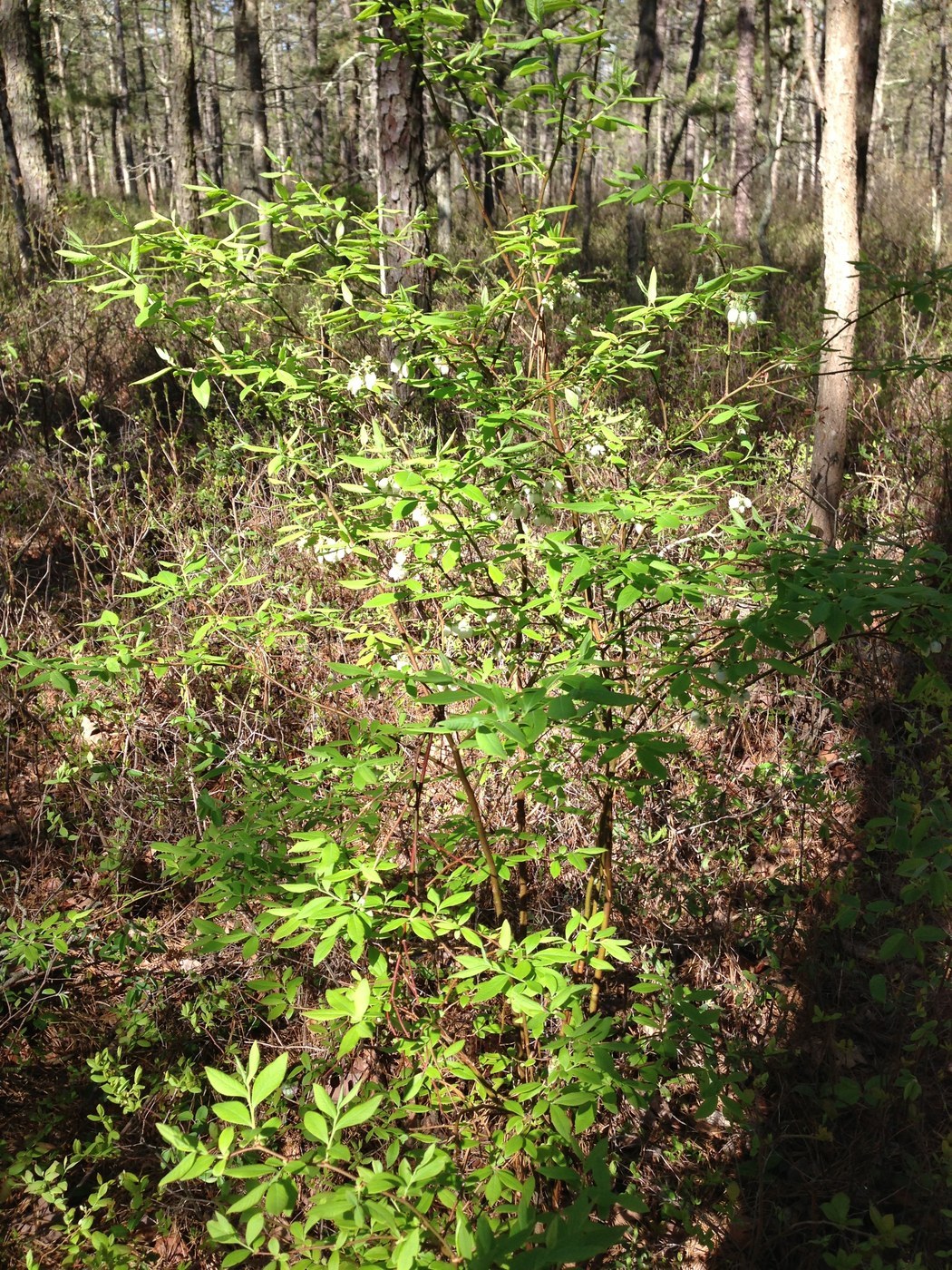
Blueberry (Vaccinium corymbosum) is a deciduous shrub prized for its arching stems, delicate spring bell-flowers, and fiery red-orange fall foliage. Success hinges almost entirely on giving it acidic, consistently moist soil in full sun.
Light
Blueberries demand full sun — at least 6 to 8 hours of direct light daily. More sun means denser growth, better flowering, and the most intense autumn color. In deep shade the shrub grows leggy and sparse. In very hot climates a little afternoon shade prevents scorch but full morning sun should be preserved.
Water
Keep the soil consistently moist but never waterlogged. Blueberries have shallow, fibrous roots with no deep taproot, so they dry out fast — aim for about an inch of water per week, more in heat. Mulch heavily to hold moisture and keep roots cool. Use rainwater where possible, since it stays naturally acidic; hard tap water can raise soil pH over time.
Soil & Potting
This is the make-or-break factor: blueberries need acidic soil, ideally pH 4.5 to 5.5. Amend planting beds generously with peat, pine bark fines, or composted conifer needles. In containers use an ericaceous (acid-loving) mix. Sharp drainage matters as much as acidity — the roots want moisture but rot in soggy, compacted ground. Refresh acidity yearly with elemental sulfur or an acidifying mulch.
Humidity & Temperature
Highbush blueberries are cold-hardy and actually require winter chill to flower well. They tolerate a wide range of outdoor humidity. Late spring frosts can damage open blossoms, so shelter or cover flowering shrubs on freeze nights. They perform best in temperate climates with distinct seasons.
Feeding
Feed with a fertilizer formulated for acid-loving plants (azalea/rhododendron type) in early spring and again after flowering. Avoid nitrate-based or high-alkaline fertilizers, which stress the roots — ammonium-based nitrogen suits them best. Never overfeed; blueberries are light feeders and salt buildup burns their shallow roots.
Propagation
Propagate from softwood cuttings taken in early summer or hardwood cuttings in late winter. Dip in rooting hormone and set into a moist peat-and-perlite mix kept humid and warm. Rooting is slow, so patience is required. Established shrubs can also be layered by pinning a low branch to the soil until it roots.
Repotting / Pruning
Container plants need repotting every 2 to 3 years into fresh ericaceous mix. Prune in late winter while dormant: remove dead, weak, and crossing stems, and cut out the oldest canes to encourage vigorous young wood, which flowers most freely. A well-pruned shrub stays open and airy rather than congested.
Common Problems & Pests
Yellowing leaves with green veins (chlorosis) almost always signal soil that is not acidic enough — correct the pH. Watch for aphids, scale, and spider mites, and for fungal leaf spots in humid, crowded conditions. Birds are drawn to the shrub, so netting protects developing fruit. Good airflow and proper spacing prevent most disease.
Seasonal Care Tips
Spring: feed, mulch, and protect blossoms from late frost. Summer: water deeply and consistently during heat. Fall: enjoy the foliage color and stop feeding so growth hardens off. Winter: prune while dormant and top up acidic mulch to insulate the shallow roots.
Frequently asked questions
Why are my blueberry leaves turning yellow?
Yellowing between green veins is classic iron chlorosis caused by soil that isn't acidic enough. Test the pH and lower it toward 4.5–5.5 with elemental sulfur or an acidifying mulch, and switch to rainwater for irrigation.
Can I grow blueberries in a pot?
Yes — containers are ideal because you fully control the soil acidity. Use an ericaceous mix, a pot at least 16 inches wide, keep it in full sun, and never let it dry out completely.
How much sun does a blueberry shrub need?
Full sun, at least 6 to 8 hours daily. More light gives denser growth, more flowers, and stronger fall color. Shade produces leggy, unproductive plants.
Do blueberries need special soil?
Absolutely. They require acidic soil around pH 4.5–5.5 that stays moist yet drains freely. Amend with peat and pine bark, and refresh acidity each year.
Blueberry identified by the community
Recent Blueberry specimens identified with Plant Identifier.