Blueberry
Vaccinium corymbosum
Blueberries are deciduous fruiting shrubs grown for their round, dusty-blue berries. They demand acidic, moist, well-drained soil and reward growers with both fruit and brilliant autumn color.
- Light
- Full sun
- Water
- Regular; consistently moist, acidic conditions
- Difficulty
- Moderate
Got a plant like this?
Identify any plant from a photo, free.
Overview
Blueberries are shrubs in the genus Vaccinium, with the northern highbush blueberry (Vaccinium corymbosum) the most widely cultivated. Other types include lowbush, rabbiteye and southern highbush.
Native to North America, they bear clusters of small, round, blue-black berries with a characteristic pale bloom and crown-shaped calyx at the tip.
Blueberries are particular about soil, requiring acidic, organic-rich, moisture-retentive ground, but a well-sited plant is long-lived, ornamental and very productive.
How to identify it
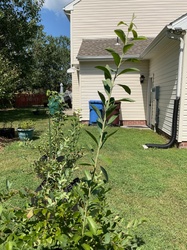
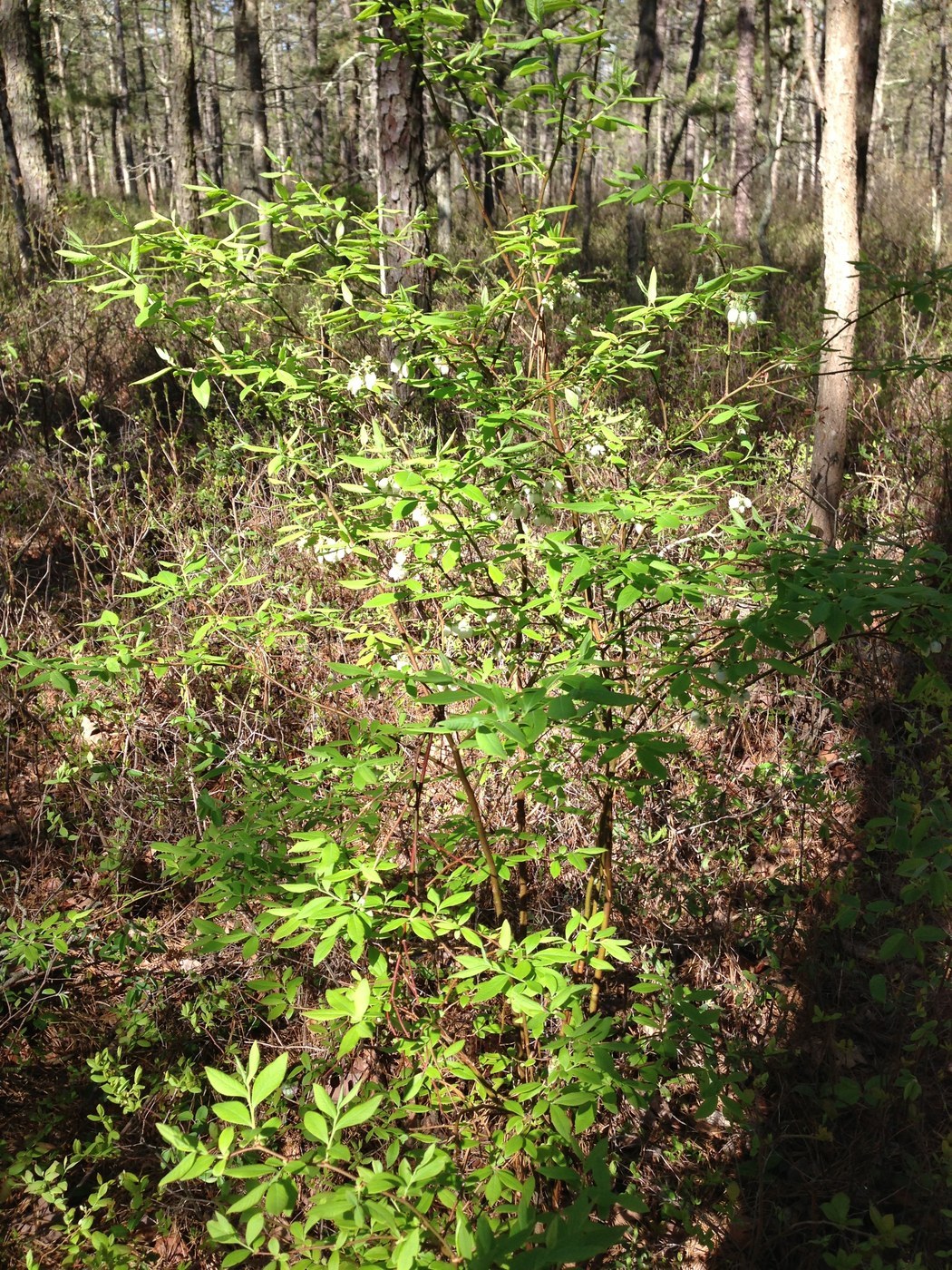
- Habit: Deciduous, multi-stemmed shrub; highbush types reach 1.2-2 m (4-7 ft)
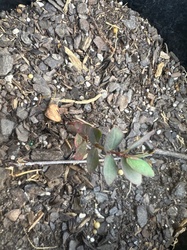
- Leaves: Oval, smooth-edged, glossy green turning vivid red and orange in autumn
- Flowers: Small, white-to-pink, urn- or bell-shaped, hanging in clusters in spring
- Fruit: Round berries, dusty blue with a pale waxy bloom and a five-pointed crown at the end
- Stems: Often reddish on new growth
Care & growing
Light: Full sun for the heaviest crops.
Water: Keep soil consistently moist; shallow roots dislike drying out. Use rainwater where tap water is alkaline.
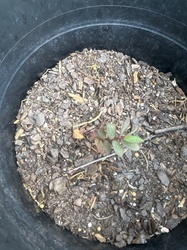
Soil: Acidic, free-draining, humus-rich soil (pH 4.5-5.5) is essential; amend with ericaceous compost or grow in containers.
Temperature: Most highbush types need winter chill; choose varieties suited to your climate.
Feeding: Use acidic (ericaceous) fertilizer; avoid lime and high-pH amendments.
Propagation: From softwood or hardwood cuttings; plant two or more varieties for better cross-pollination and yields.
Habitat & origin
Highbush blueberries are native to eastern North America, where they grow in acidic, moist habitats such as woodland edges, bogs and clearings.
Domesticated only in the early 20th century, they are now a major commercial crop in North America, South America, Europe and beyond, and a popular plant for home gardens and containers with suitably acidic soil.
Frequently asked questions
Why are my blueberry leaves turning yellow?
Yellowing between green veins usually signals iron chlorosis from soil that isn't acidic enough. Lower the pH with ericaceous compost or sulfur.
Do I need more than one blueberry plant?
Many varieties set fruit alone, but planting two or more compatible varieties improves pollination, berry size and yield.
Can I grow blueberries in pots?
Yes, and it's often the easiest way to give them the acidic soil they need. Use ericaceous compost and water with rainwater.
Blueberry guides
In-depth guides for identifying, growing, and caring for Blueberry.
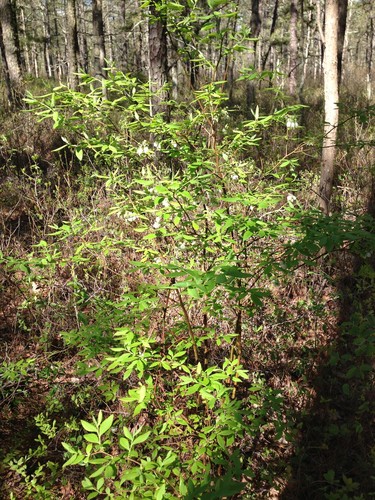
Blueberry identified by the community
Real specimens identified with Plant Identifier.