How to Care for Boston Fern
Grow Boston fern, the classic feathery houseplant loved for lush arching fronds; give it bright indirect light, steady moisture, and humidity.
Read the full Boston Fern encyclopedia entry →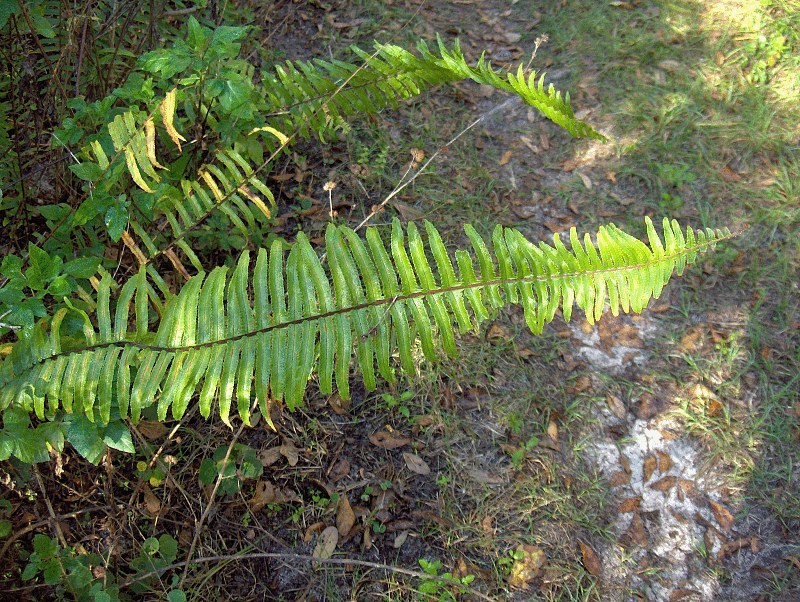
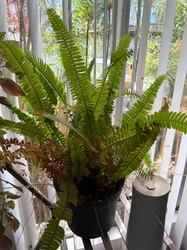
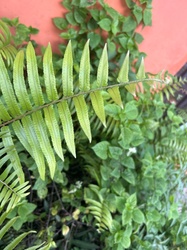
Boston fern (Nephrolepis exaltata) is a beloved classic houseplant and porch plant, admired for its cascade of soft, arching, deeply cut fronds. It is graceful and fast to fill a hanging basket, though it rewards attention to moisture and humidity. With the right conditions it stays lush and full year-round.
Light
Give Boston fern bright, indirect light. An east-facing window or a spot near a bright window shielded from direct rays is ideal. Too little light causes sparse, leggy growth and dropped leaflets, while harsh direct sun scorches and bleaches the fronds. Outdoors it thrives in bright shade or on a covered porch.
Water
Keep the soil evenly moist at all times, but not soggy. Boston fern dislikes drying out; even one thorough drought triggers browning fronds and heavy leaflet drop. Water when the surface just begins to feel less damp, and let excess drain freely. Reduce frequency slightly in winter, but never let the root ball go bone dry.
Soil & Potting
Use a light, moisture-retentive but well-draining potting mix rich in organic matter; a peat- or coir-based mix with added perlite works well. The pot must have drainage holes to prevent rot. Hanging baskets suit its cascading habit. The mix should hold water without staying waterlogged.
Humidity & Temperature
High humidity is the key to success. Boston fern loves 50 percent humidity or more; dry indoor air causes crispy leaflet tips and shedding. Boost humidity with a pebble tray, a humidifier, grouping plants, or a bathroom or kitchen location. Keep temperatures between about 60 and 75 F and away from cold drafts, heating vents, and sudden temperature swings.
Feeding
Feed monthly during the spring and summer growing season with a balanced, diluted liquid houseplant fertilizer at half strength. Boston ferns are light feeders and sensitive to salt buildup, so avoid over-fertilizing, which browns the frond edges. Withhold or greatly reduce feeding in fall and winter when growth slows.
Propagation
The simplest method is division. In spring, remove the plant from its pot and cut or pull the root ball into sections, each with roots and fronds, then pot them separately. Boston ferns also produce thin, wiry runners (stolons); pin one down onto moist soil and it will root to form a new plant, which you can then sever.
Repotting / Pruning
Repot in spring every year or two when roots fill the pot, moving up one size and refreshing the mix. Trim off any brown or yellow fronds at the base to keep the plant tidy and encourage new growth. If a plant becomes overgrown or ragged, a hard cutback combined with division rejuvenates it.
Common Problems & Pests
Browning, crispy fronds and dropped leaflets usually signal low humidity or inconsistent watering. Yellowing can indicate overwatering or poor drainage. Watch for spider mites (favored by dry air), mealybugs, and scale; treat by rinsing, wiping, or using insecticidal soap. Good humidity prevents most pest issues, since dry conditions invite mites.
Seasonal Care Tips
In spring and summer, keep humidity high, water consistently, and feed monthly; this is peak growth. If summered outdoors in shade, bring it in before fall temperatures drop below the mid 50s F. In winter, reduce feeding, water a touch less but never let it dry out, and keep it away from dry heater air and cold windows.
Frequently asked questions
Why are my Boston fern's leaves turning brown and dropping?
The usual causes are low humidity and letting the soil dry out. Keep the mix evenly moist and raise humidity with a pebble tray or humidifier.
How much light does a Boston fern need?
Bright, indirect light. Avoid direct sun, which scorches fronds, and deep shade, which makes growth thin and sparse.
How often should I water a Boston fern?
Keep the soil consistently moist, watering whenever the surface starts to feel less damp. Never let the root ball dry out completely.
Can I grow a Boston fern in a bathroom?
Yes, a bright bathroom is excellent because the steady humidity from showers helps prevent the crispy, browning fronds caused by dry air.
Boston Fern identified by the community
Recent Boston Fern specimens identified with Plant Identifier.