Boston Fern
Nephrolepis exaltata
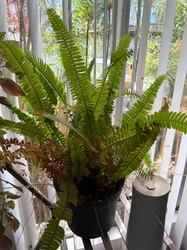
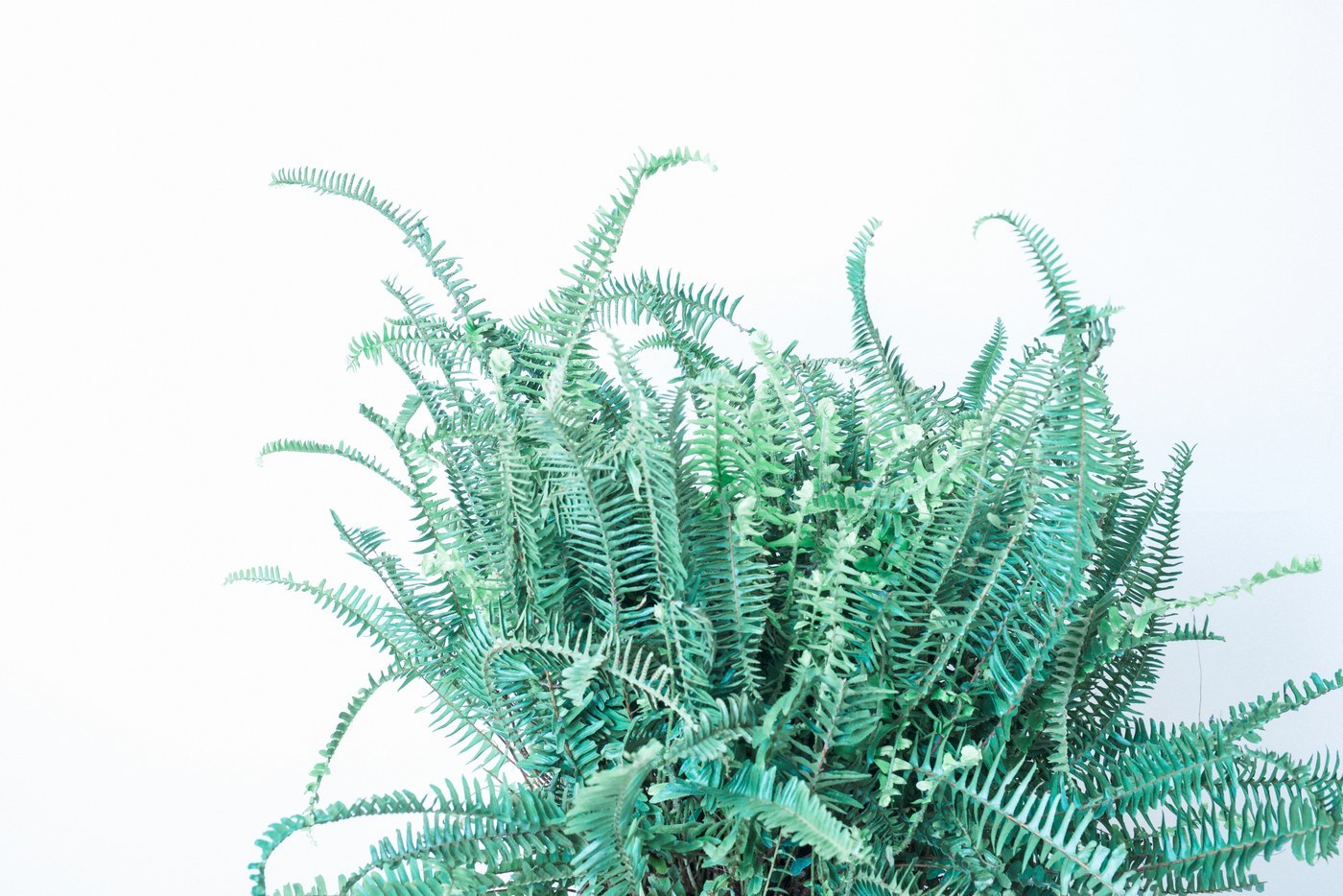
The Boston fern is a lush, graceful fern with arching fronds of small leaflets, popular for hanging baskets and shaded porches. It needs consistent moisture and humidity to thrive.
- Light
- Bright indirect light
- Water
- Keep evenly moist
- Difficulty
- Moderate
Got a plant like this?
Identify any plant from a photo, free.
Overview
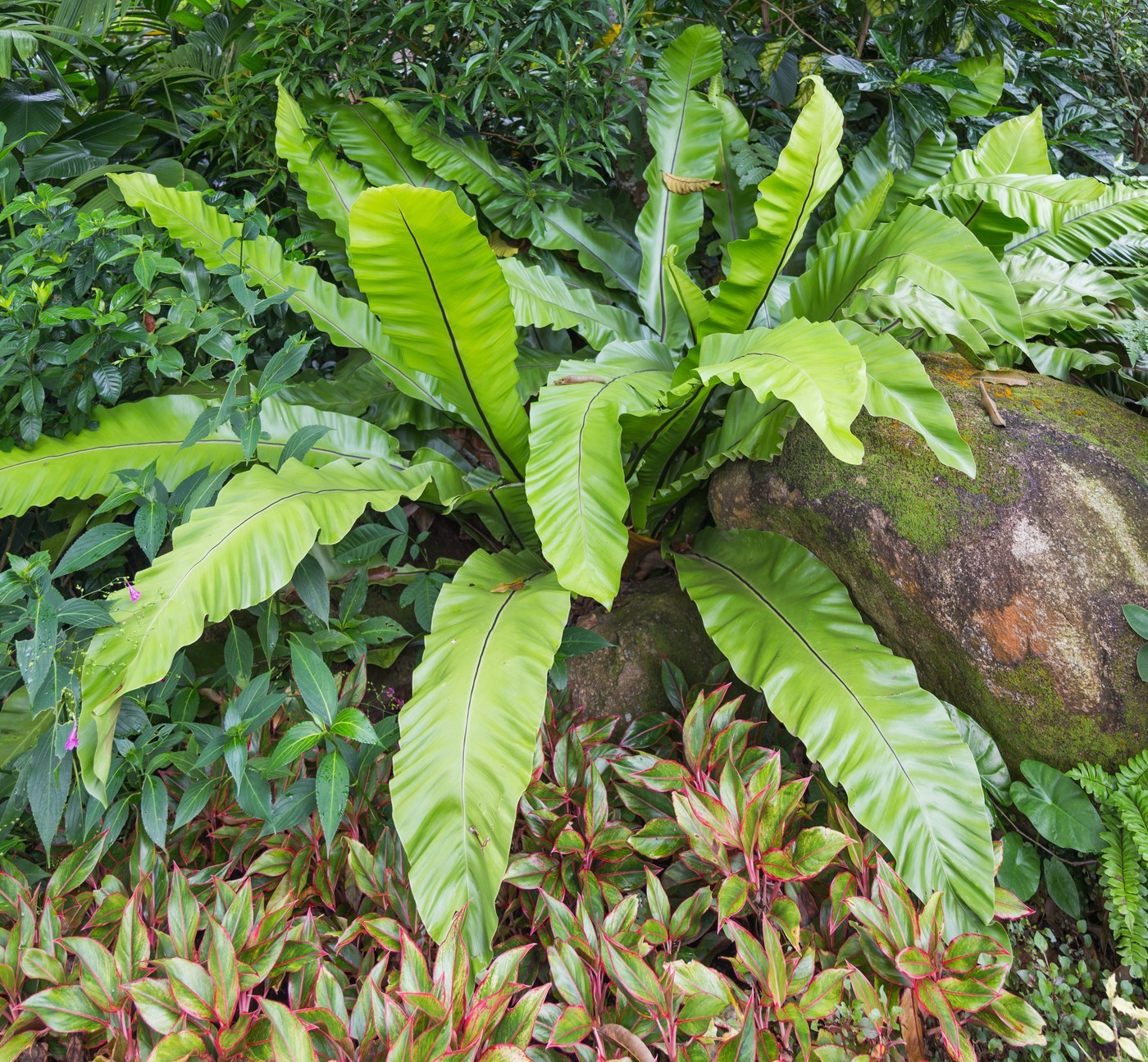
The Boston fern (Nephrolepis exaltata) is an evergreen fern native to humid tropical regions of the Americas. The popular houseplant is mostly the cultivar 'Bostoniensis,' selected for its dense, gracefully arching fronds.
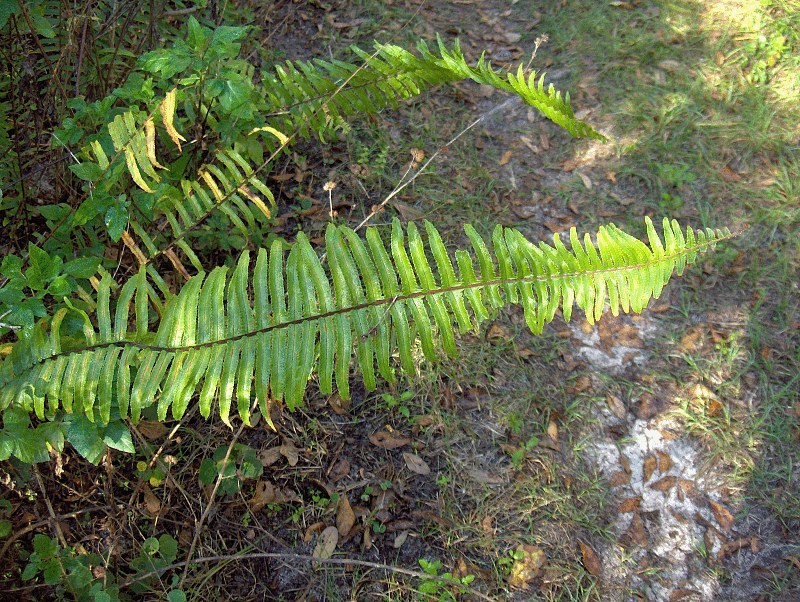
Each frond is composed of many small leaflets (pinnae), giving the plant a soft, feathery, cascading appearance that makes it a classic choice for hanging baskets and Victorian-style displays.
It is beautiful and graceful, but it demands steady humidity and consistently moist soil — dry air and erratic watering quickly cause its delicate fronds to brown and shed.
How to identify it
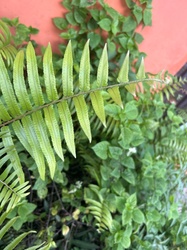
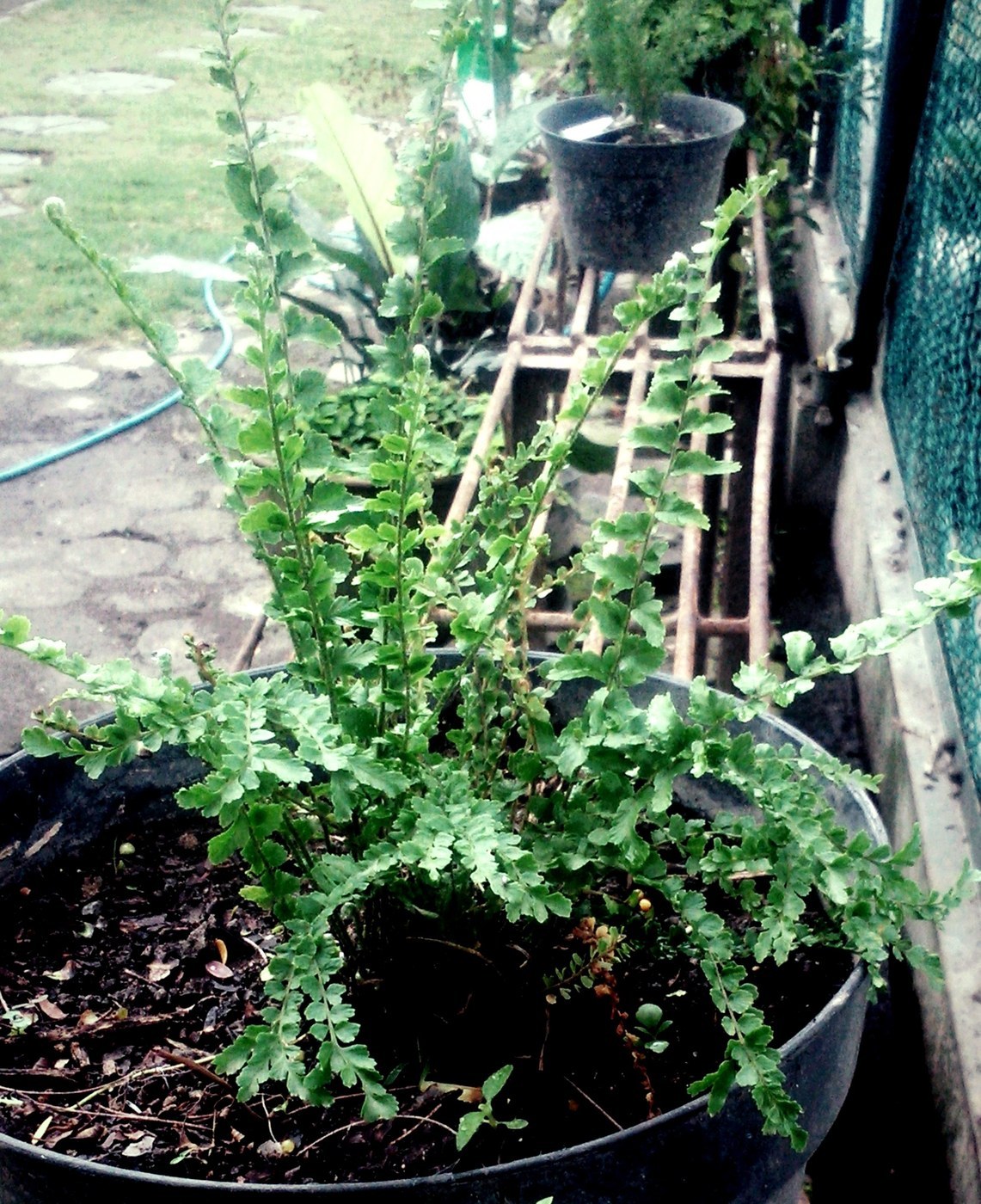
- Fronds: Long, arching, sword-shaped fronds up to 2-3 feet, divided into many small toothed leaflets (pinnae)
- Habit: Mounding, cascading rosette of fronds; spreads by runners (stolons)
- Texture: Soft, feathery, bright to medium green
- Reproduction: Reproduces by spores borne in rows of dots on the undersides of fertile fronds; no flowers
- Size: Typically 1-3 feet tall and wide
Care & growing
Light: Bright, indirect light or dappled shade. Avoid direct sun, which scorches the fronds.
Water: Keep the soil consistently moist but not waterlogged; never let it dry out completely. Boston ferns are thirsty plants.
Humidity: Needs high humidity — mist regularly, use a pebble tray, or grow in a bathroom or kitchen.
Soil: Rich, moisture-retentive yet well-draining mix.
Temperature: Prefers 60-75°F (15-24°C).
Feeding: Light feeding monthly in the growing season.
Propagation: Divide the plant or root the plantlets formed on runners.
Habitat & origin
Nephrolepis exaltata is native to humid forests, swamps, and tropical regions of Florida, Mexico, Central and South America, the West Indies, and Africa, where it grows in moist, shaded, humid conditions.
It grows outdoors in frost-free climates (USDA zones 9-11), often on shaded porches, and is cultivated worldwide as a popular hanging houseplant.
Frequently asked questions
Why is my Boston fern turning brown and dropping leaves?
This is almost always due to dry air or inconsistent watering. Keep the soil evenly moist and raise humidity with misting or a pebble tray.
How much humidity does it need?
High humidity is essential. Bathrooms and kitchens are ideal, or use regular misting and a humidity tray in drier rooms.
Can I grow a Boston fern in low light?
It prefers bright, indirect light or dappled shade. Deep shade weakens it, while direct sun scorches the fronds.
Boston Fern guides
In-depth guides for identifying, growing, and caring for Boston Fern.
How to Care for Boston Fern
Grow Boston fern, the classic feathery houseplant loved for lush arching fronds; give it bright indirect light, steady moisture, and humidity.
Boston Fern Identification Guide
Identify the Boston fern (Nephrolepis exaltata) by its long, gracefully arching fronds of small toothed leaflets and round spore dots beneath, and separate it from similar ferns.
Boston Fern identified by the community
Real specimens identified with Plant Identifier.