Maidenhair Fern
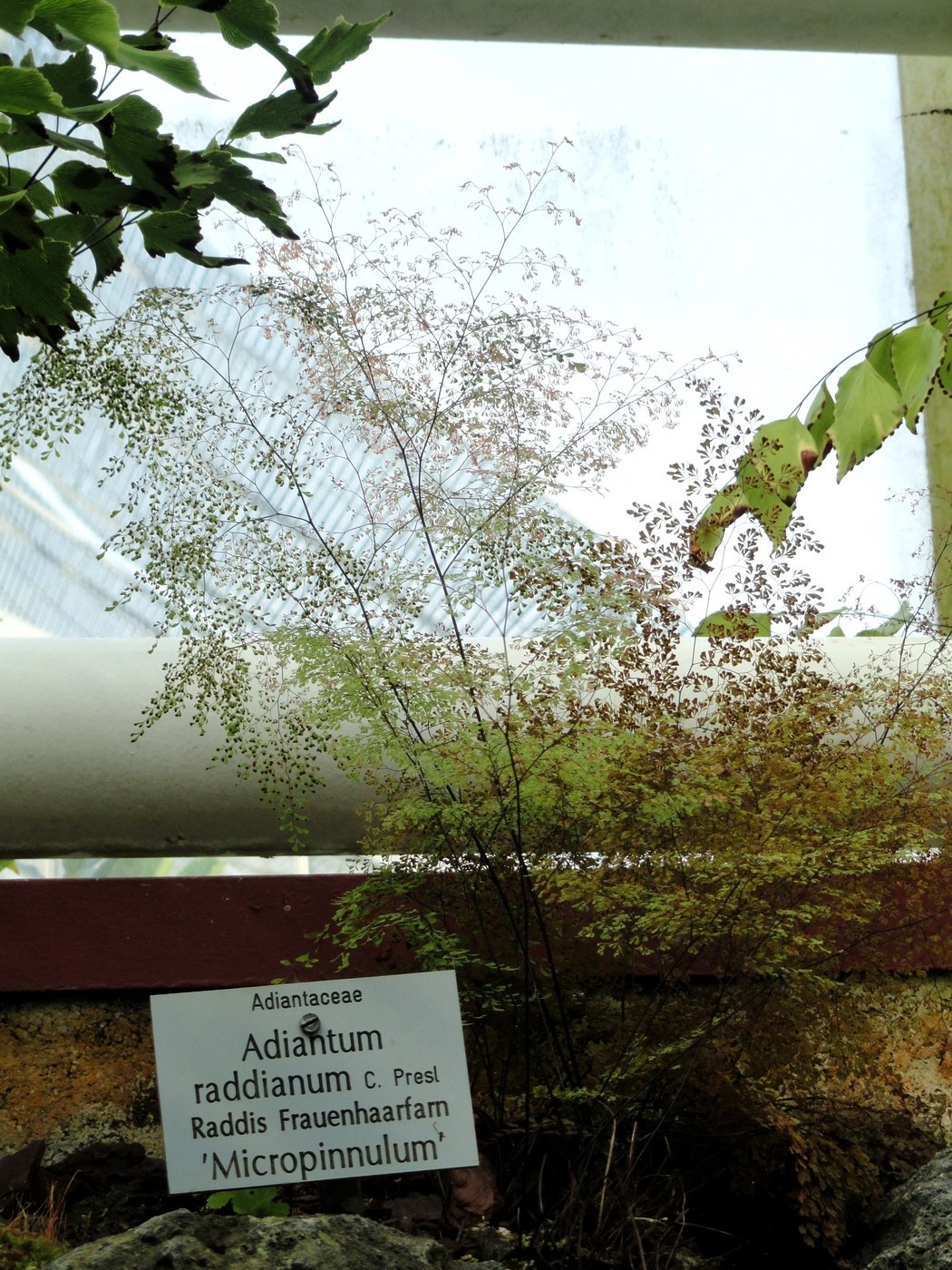
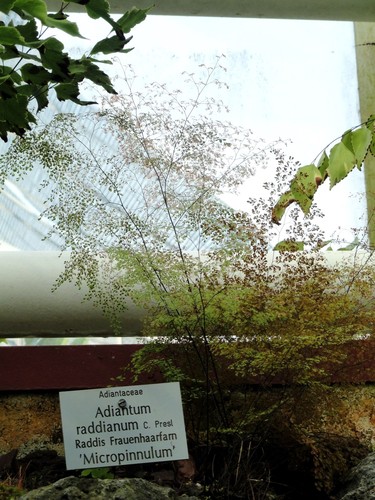
Adiantum raddianum
A graceful fern with airy, fan-shaped fronds on glossy black stems. Stunning but demanding, it needs constant humidity and consistently moist soil.
- Light
- Bright indirect light
- Water
- Keep evenly moist; never dry out
- Difficulty
- Hard
Got a plant like this?
Identify any plant from a photo, free.
Overview
Maidenhair ferns are delicate-looking ferns known for their lacy, fan-shaped leaflets (pinnae) held on slender, wiry black stems. The fine texture gives the whole plant a soft, almost cloud-like appearance.
They have a reputation for being temperamental houseplants because they will quickly crisp if allowed to dry out even once. With steady moisture and humidity, however, they form a lush, fountaining mound of foliage.
How to identify it
Key identifying features:
- Fronds: finely divided, arching, with many small fan- or wedge-shaped leaflets
- Leaflets: thin, papery, bright green, often with a fluted or lobed outer edge
- Stems: distinctive glossy, hair-thin black to dark brown stipes (the source of the name)
- Habit: soft, mounding clump usually 12-24 in tall and wide
- Spores: brown sori form along the folded-under margins of the leaflets
Care & growing
Light: Bright indirect light or dappled shade; avoid direct sun, which scorches the fronds.
Water: Keep the soil consistently moist at all times; never let it dry out. Use room-temperature water and avoid letting it sit soggy.
Soil: Light, humus-rich, well-draining mix with peat or coco coir.
Temperature: 60-75F (15-24C); dislikes cold drafts.
Humidity: High (50%+ ideal). A bathroom, terrarium, or pebble tray helps greatly.
Feeding: Weak, diluted liquid fertilizer monthly in the growing season.
Propagation: Division of the rhizome clump in spring.
Habitat & origin
Adiantum raddianum is native to tropical regions of South America, though maidenhair ferns as a genus are found nearly worldwide. They grow in humid, shaded spots near streams, waterfalls, and on damp rock walls.
Indoors they thrive in humid rooms; outdoors they are grown in shaded, sheltered gardens in mild, frost-free climates.
Frequently asked questions
Why does my maidenhair fern keep drying out and turning brown?
These ferns are very sensitive to drought and low humidity. Keep the soil constantly moist and raise humidity; even one dry spell will crisp the fronds.
Can I save a fern that has gone completely crispy?
Often yes. Trim the dead fronds to the base, keep the soil moist and humidity high, and new growth usually emerges from the rhizome.
Why are maidenhair ferns considered difficult?
They demand constant moisture and high humidity and will not tolerate the dry, fluctuating conditions of most homes, making them harder than typical ferns.
Maidenhair Fern guides
In-depth guides for identifying, growing, and caring for Maidenhair Fern.
How to Care for Maidenhair Fern
Master the delicate Maidenhair Fern with steady moisture, high humidity, and soft indirect light in this detailed indoor fern care guide.
Maidenhair Fern Identification Guide
Identify Adiantum maidenhair ferns by their glossy black wiry stems, fan-shaped delicate fronds, and the way water beads off the leaflets.