
How to Care for Bottlebrush Tree
Grow the vivid Callistemon citrinus with full sun, sharp drainage, and light pruning for its signature crimson brush-like flower spikes.
Read the full Bottlebrush Tree encyclopedia entry →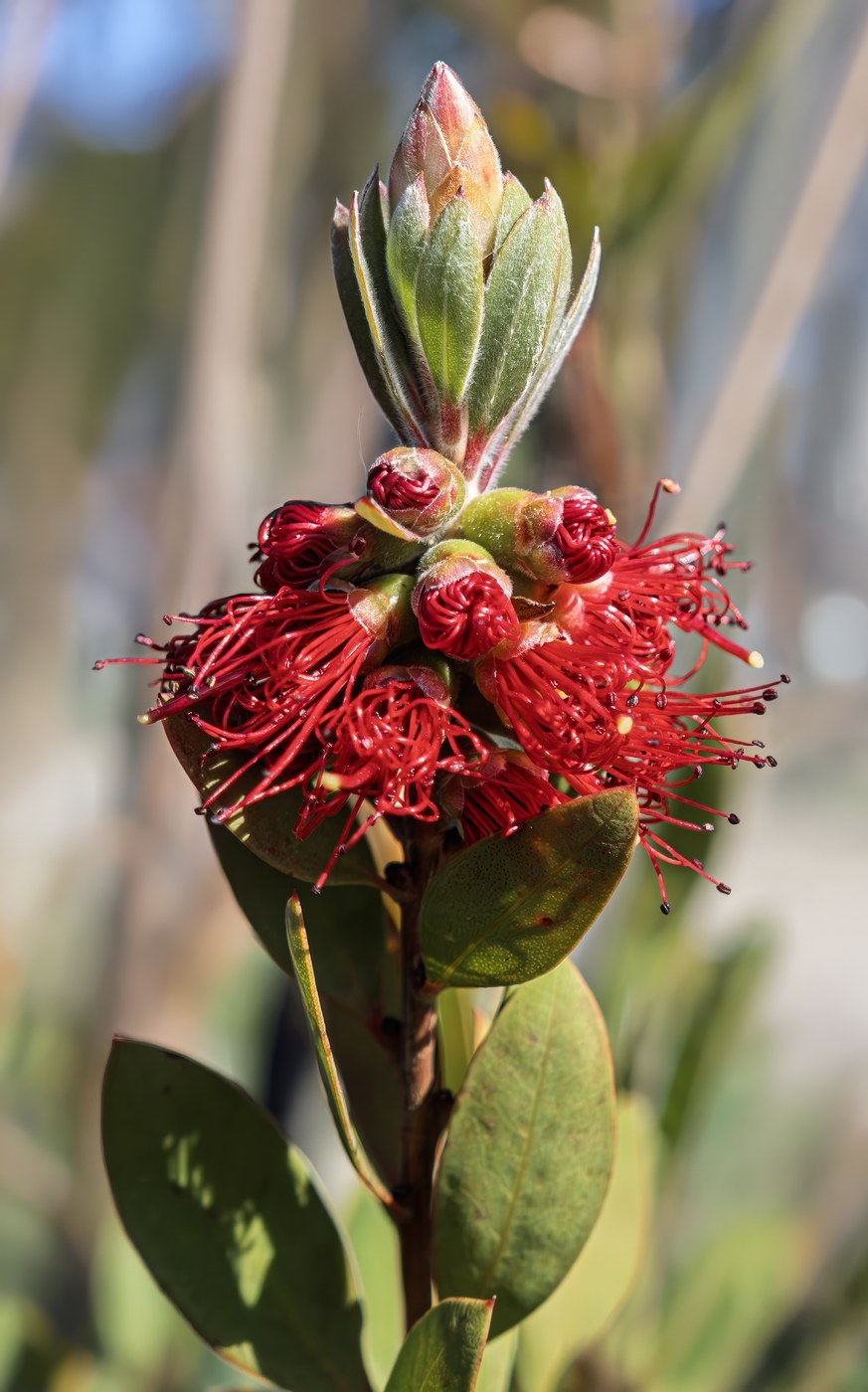
The bottlebrush tree (Callistemon citrinus) is a sun-loving Australian evergreen prized for its dense, brush-shaped spikes of scarlet stamens. It is an easy, forgiving shrub or small tree that thrives in warm, dry-summer climates and tolerates a wide range of conditions once established.
Light
Give bottlebrush full sun for the best flowering. It needs at least six hours of direct light daily; in shade the plant grows leggy, blooms sparsely, and becomes prone to disease. Outdoors, an open, unobstructed position is ideal. If grown in a container that is moved indoors over winter, place it at the brightest possible south-facing window and supplement with a grow light if the foliage begins to thin.
Water
Water is moderate: keep young plants regularly watered through their first year or two to build a strong root system. Once established, bottlebrush is notably drought-tolerant and needs only occasional deep soakings during prolonged dry spells. Let the top few inches of soil dry between waterings and avoid constant sogginess, which can cause root rot. Container specimens dry out faster and need more frequent checking in summer.
Soil & Potting
Plant in well-drained soil. Bottlebrush tolerates poor, sandy, and slightly acidic ground and dislikes heavy, waterlogged clay. If your soil is dense, amend generously with grit or coarse organic matter and consider planting on a slight mound. For containers, use a free-draining mix based on loam with added perlite or coarse sand, and always choose a pot with ample drainage holes.
Humidity & Temperature
This is a warm-climate plant that thrives in Mediterranean and subtropical conditions and generally suits USDA zones 8b-11. Mature plants tolerate light frost, but young growth and flower buds can be damaged by hard freezes. In colder regions grow it in a pot that can be sheltered in a frost-free greenhouse or bright indoor space over winter. It has no special humidity requirements and handles dry air well.
Feeding
Bottlebrush is a light feeder and is sensitive to high phosphorus, a trait shared by many Australian natives. Feed sparingly in spring with a low-phosphorus or native-plant fertilizer, or a balanced slow-release formula at half the usual strength. Avoid rich, phosphorus-heavy bloom boosters, which can damage the roots. Over-fertilizing produces lush foliage at the expense of flowers.
Propagation
Propagate from semi-hardwood cuttings taken in late summer: select firm current-season stems, remove the lower leaves, dip in rooting hormone, and set in a gritty, moist propagation mix under warm, humid conditions. Rooting takes several weeks to a couple of months. Bottlebrush can also be grown from the fine seed released by its woody capsules, though seedlings are slower and more variable than cuttings.
Repotting / Pruning
Repot container plants every two to three years in spring, moving up one pot size. Prune lightly just after flowering: trim spent flower spikes and shorten shoots to encourage bushy, well-branched growth and more blooms next season. Avoid cutting hard into old, bare wood, as bottlebrush is slow to resprout from thick stems. Regular light shaping keeps a tidy form, and the plant also responds well to being trained as a small standard tree.
Common Problems & Pests
Bottlebrush is largely trouble-free in the right site. In poorly drained soil or overwatered pots it can develop root rot, shown by yellowing and dieback. Occasional pests include scale insects, mealybugs, and sap-sucking psyllids, which can be wiped off or treated with horticultural soap or oil. Sooty mold sometimes follows heavy scale infestations. Yellowing leaves in alkaline soil may indicate iron chlorosis, correctable with an acidifying feed.
Seasonal Care Tips
Spring is the main growth and feeding season and the start of flowering, which can continue into summer. Water more attentively during hot, dry weather, especially for potted plants. Prune right after the main flush of bloom. In autumn, reduce feeding and let the plant harden off before cold weather. In frost-prone areas, move containers under cover for winter and keep them on the dry side while growth is slow.
Frequently asked questions
Why is my bottlebrush not flowering?
The most common causes are too little sun and over-fertilizing. Bottlebrush needs full, direct sun for at least six hours a day to bloom well, and excess phosphorus-rich fertilizer pushes leafy growth instead of flowers. Move it to a brighter spot and feed only lightly.
Can I grow a bottlebrush in a pot?
Yes. Use a free-draining loam-based mix with added grit in a pot with good drainage holes, place it in full sun, and water more often than in-ground plants. Repot every two to three years and prune after flowering to keep a compact shape.
When should I prune my bottlebrush tree?
Prune just after the main flowering flush. Remove spent flower spikes and lightly shorten shoots to encourage branching and next season's blooms. Avoid cutting deep into old, leafless wood, since bottlebrush resprouts poorly from thick stems.
How much cold can a bottlebrush tolerate?
Established plants handle light frost and suit roughly USDA zones 8b-11, but hard freezes damage young growth and flower buds. In colder regions grow it in a container that can be sheltered indoors or in a frost-free greenhouse over winter.