
How to Care for Bristlecone Pine
Grow the legendary Bristlecone Pine with full sun, sharp drainage and minimal water. A slow, hardy conifer that rewards patience and restraint.
Read the full Bristlecone Pine encyclopedia entry →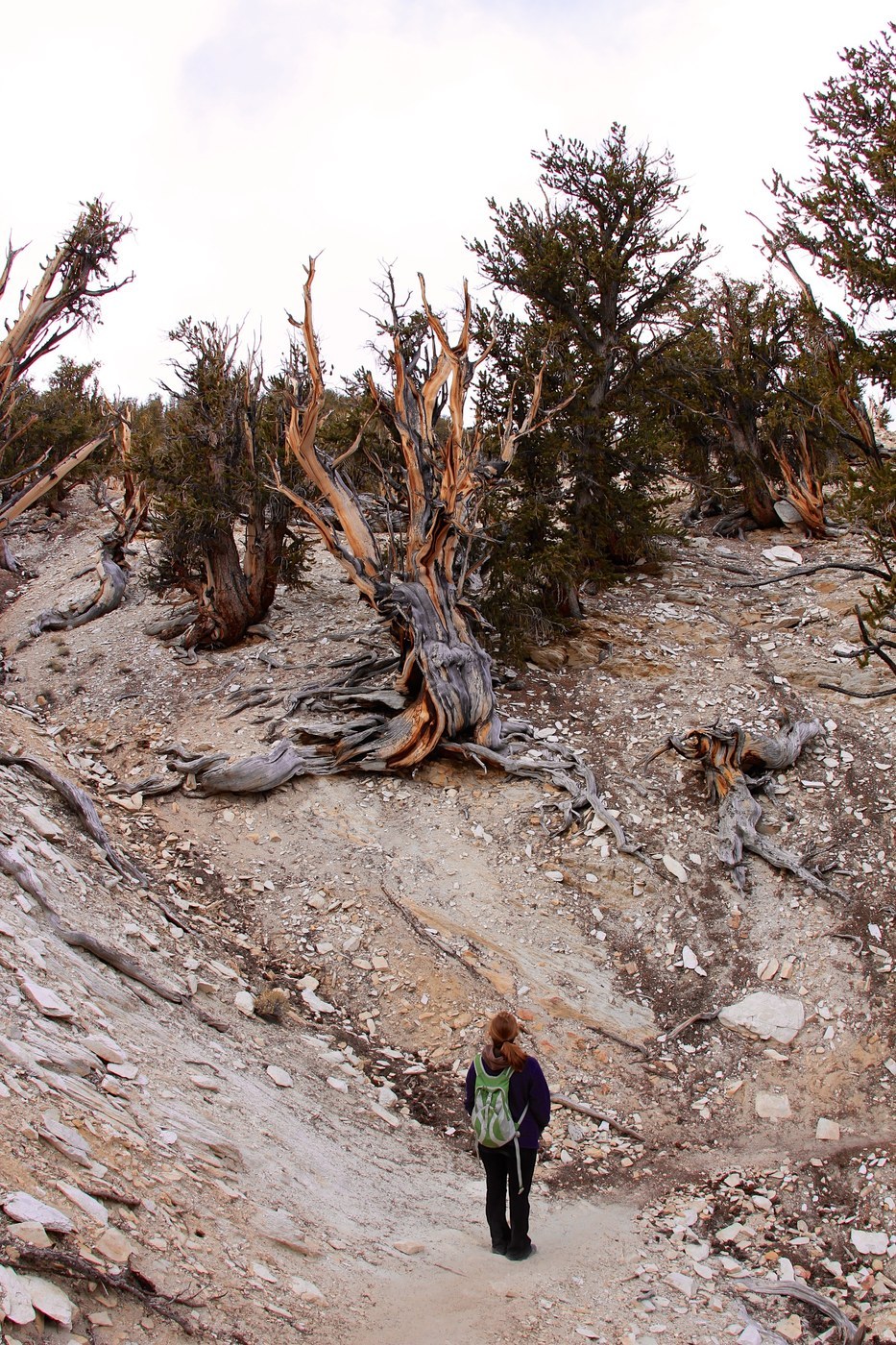
The Bristlecone Pine (Pinus longaeva) is an exceptionally slow-growing, long-lived conifer native to the high, arid mountains of the American West. It is a specimen tree for gardeners who value character and endurance over speed, and it thrives on the kind of neglect that would kill most ornamentals. Rated as difficult, it demands lean, fast-draining conditions and dislikes coddling.
Light
Give Bristlecone Pine full sun, all day, every day. It evolved at high elevation in intense, unfiltered light and will not tolerate shade. Weak or leggy growth almost always traces back to too little sun, so choose the most open, exposed position you have.
Water
Water is where most growers fail: this pine is very low-water and extremely drought tolerant. Water sparingly and only when the soil has dried well down, and reduce watering to almost nothing in cool or dormant periods. Standing moisture and overwatering are the fastest ways to lose it to root rot. Once established, it can go long stretches on rainfall alone.
Soil & Potting
Use a very gritty, sharply draining mineral mix. Blend coarse sand, pumice, and fine gravel with only a small fraction of organic matter. In the ground, plant on a slope or raised, rocky bed so water never pools. Alkaline to neutral, poor soils suit it better than rich ones. If container-grown, a bonsai-style inorganic substrate works well.
Humidity & Temperature
Bristlecone Pine prefers cool, dry mountain air and is extremely cold hardy. It handles hard frost, wind, and swings between hot days and cold nights with ease. It resents hot, humid, stagnant conditions, so give it excellent air movement and avoid muggy, sheltered pockets.
Feeding
Feed very lightly or not at all. This is a plant of nutrient-poor soils, and heavy feeding produces soft, weak, unnatural growth. At most, a single dilute application of a low-nitrogen conifer fertilizer in spring is plenty. Container specimens appreciate a touch more but still far less than typical plants.
Propagation
Bristlecone Pine is grown from seed, which usually needs a period of cold, moist stratification to break dormancy. Sow in a gritty seed mix, keep barely moist, and be patient because germination is slow and uneven. Seedlings grow at a glacial pace; cuttings rarely root, so seed is the practical route.
Repotting / Pruning
Repot container specimens only every several years, in early spring, refreshing the gritty mix and trimming any circling roots. It needs little pruning; remove only dead or damaged wood, and shape lightly if training as bonsai. Its naturally gnarled, wind-sculpted form is the point, so resist heavy cutting.
Common Problems & Pests
Root rot from overwatering or poor drainage is the primary killer. Bark beetles and needle-cast fungi can appear on stressed trees, so keep the plant lean and well-ventilated to stay resilient. Yellowing or dieback usually signals soggy roots rather than drought. Good airflow and restraint prevent most trouble.
Seasonal Care Tips
In spring, allow one light feeding and check drainage as growth resumes. Through summer, water rarely and rely on the sun. In autumn taper watering further, and in winter keep the plant essentially dry and let it experience the cold it craves. Its whole care philosophy is: less is more.
Frequently asked questions
Why is my Bristlecone Pine growing so slowly?
Extremely slow growth is completely normal for this species. It is one of the slowest-growing conifers in cultivation, and patience is part of owning one.
Can I grow Bristlecone Pine in a container or as bonsai?
Yes. Use a sharply draining inorganic mix, water sparingly, and give it full sun. Its naturally twisted form makes it a favorite bonsai subject.
How much should I water it?
Very little. Let the soil dry well between waterings and keep it nearly dry in cool seasons. Overwatering and poor drainage are the main causes of failure.
Does it need full sun?
Yes, all-day full sun is essential. It evolved in intense high-elevation light and grows weak and leggy in shade.