Bristlecone Pine
Pinus longaeva
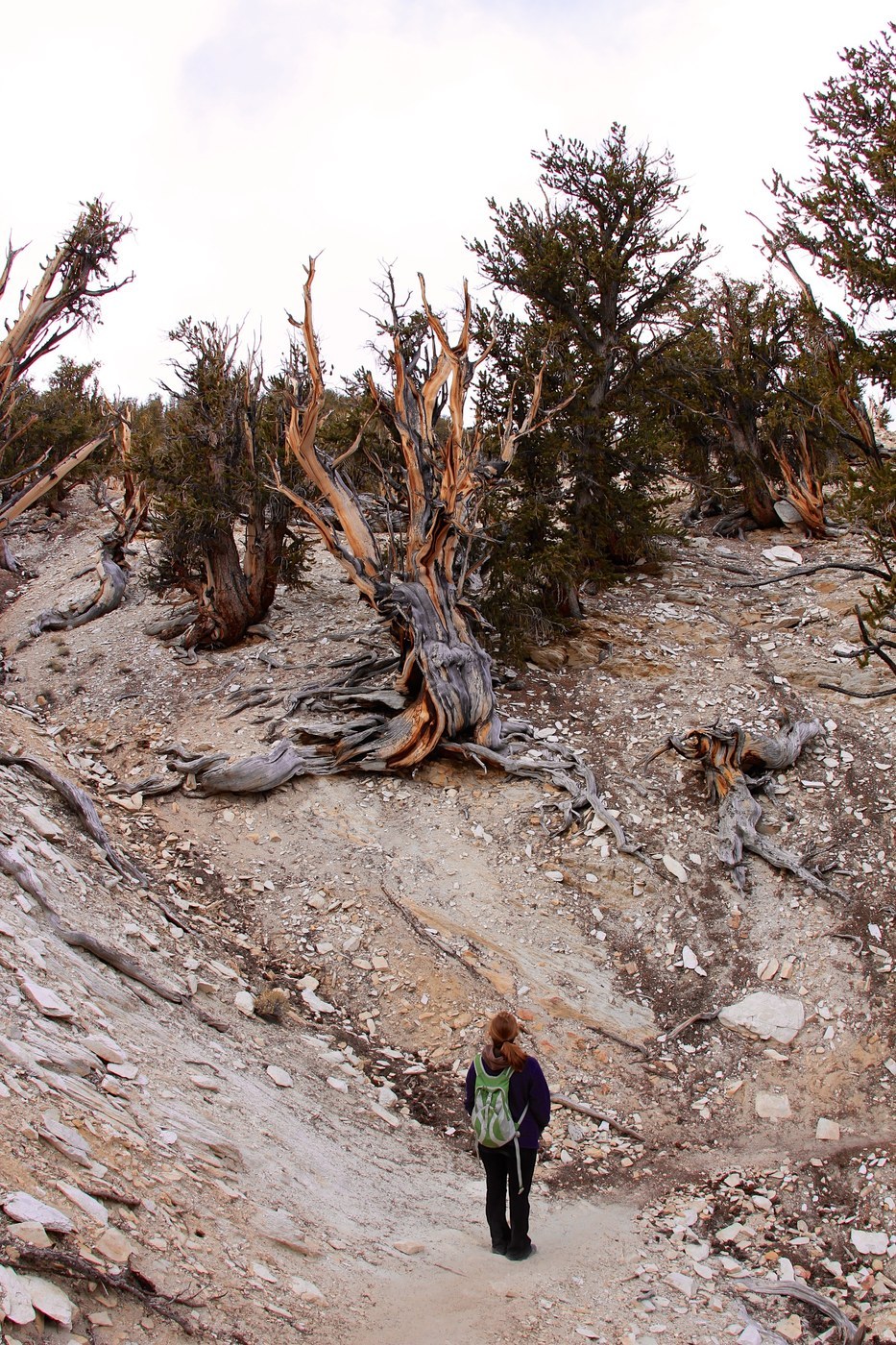
Bristlecone Pine is among the longest-lived organisms on Earth, with individuals exceeding 4,800 years old. These gnarled, weathered conifers cling to harsh, high-elevation mountains of the American West.
- Light
- Full sun
- Water
- Very low; extremely drought tolerant
- Difficulty
- Hard
Got a plant like this?
Identify any plant from a photo, free.
Overview
Great Basin Bristlecone Pine (Pinus longaeva) is famous for extraordinary longevity; the oldest known individual, 'Methuselah,' is over 4,800 years old, making these trees among the longest-lived non-clonal organisms on Earth.
They grow slowly in cold, dry, windswept subalpine zones, where harsh conditions paradoxically promote dense, resinous, decay-resistant wood and remarkable lifespans.
Ancient specimens are sculpturally beautiful, with twisted, weathered trunks of bare wood and only thin strips of living bark sustaining the canopy.
How to identify it
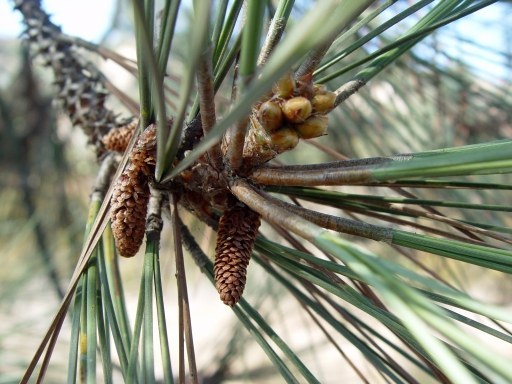
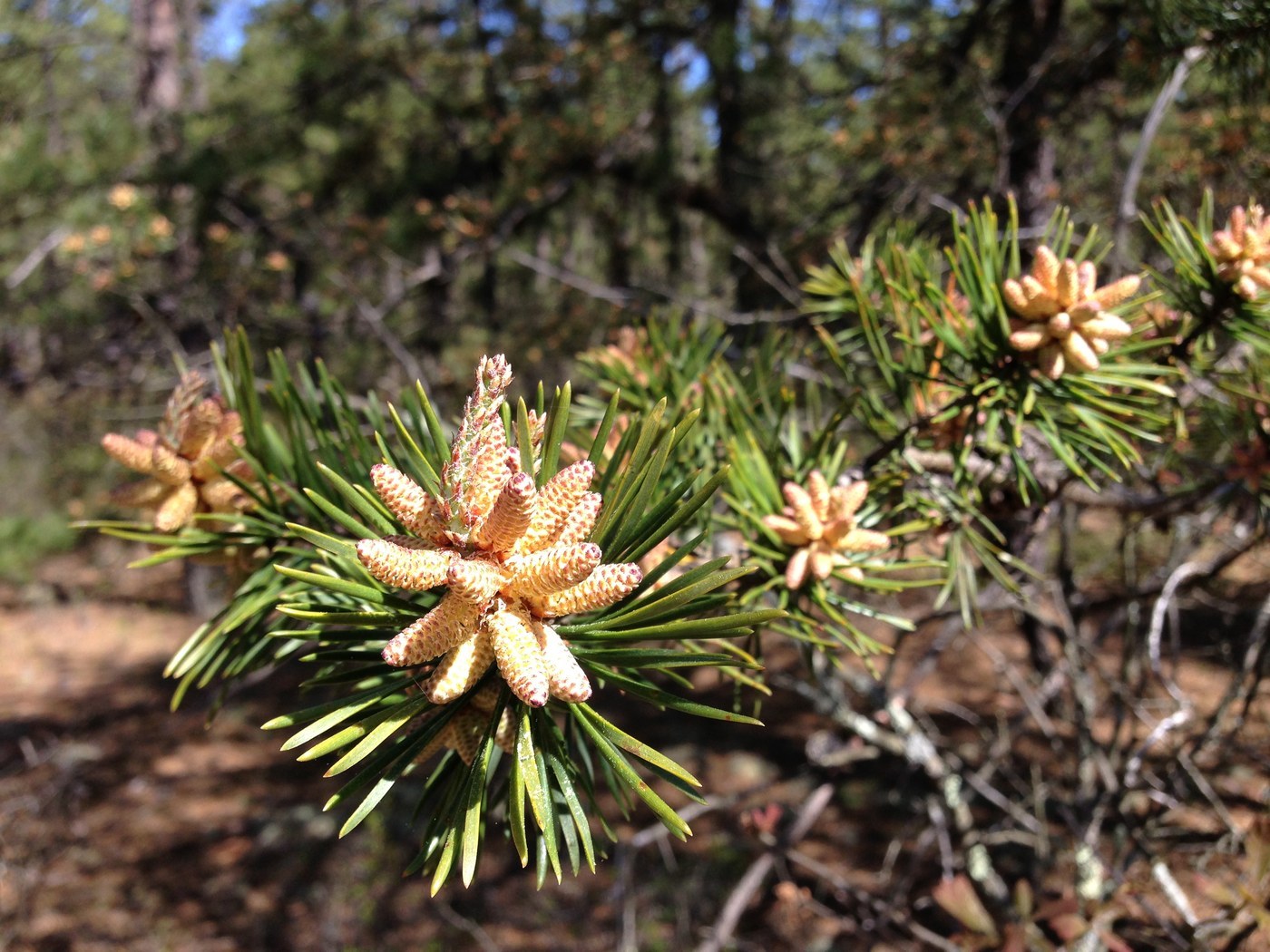
- Needles: Short, stiff needles in bundles of five, about 1 to 1.5 inches long, deep green, densely clothing the twigs in bottlebrush-like 'foxtail' arrangement
- Cones: Purplish-brown ovoid cones 2 to 4 inches long, each scale tipped with a slender incurved bristle (the source of the name)
- Bark: Reddish-brown and scaly on younger wood; ancient trees show much exposed, polished, weathered deadwood
- Habit: Slow-growing; gnarled, twisted, often partly dead but persistent
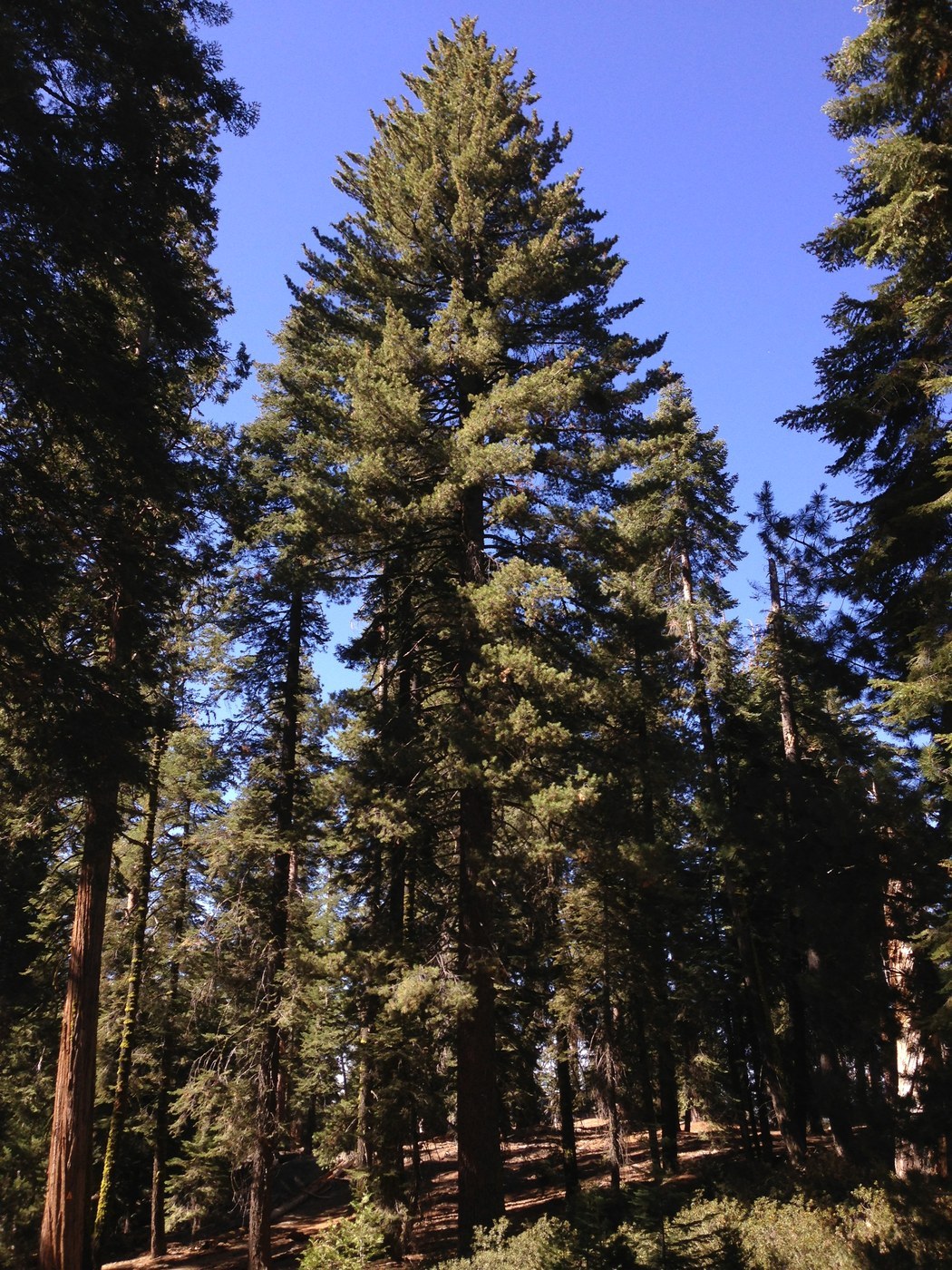
- Size: Usually under 50 feet, often stunted and contorted
Care & growing
Extremely difficult outside its harsh native niche; needs cold, dry, exposed conditions and superb drainage.
- Light: Full sun
- Water: Minimal; intolerant of wet, rich, or fertile soils
- Soil: Poor, rocky, alkaline (often dolomite), sharply drained
- Temperature: Cold hardy, roughly USDA zones 4 to 7; needs cool, dry air
- Feeding: None; fertility shortens life and weakens the tree
- Propagation: From seed; growth is extremely slow
It resents rich soil, humidity, heat, and overwatering, which is why it is rarely successful in ordinary gardens.
Habitat & origin
Native to the high mountains of the Great Basin in eastern California, Nevada, and Utah, growing at roughly 9,000 to 11,000 feet in cold, arid, subalpine zones on poor dolomite and limestone soils.
It is rarely cultivated; the famous ancient groves, such as those in California's White Mountains, are protected within national forests and parks.
Frequently asked questions
How old can Bristlecone Pines get?
They are among the oldest known living trees; the famous Methuselah exceeds 4,800 years, and an even older individual has been reported in the same range.
Why do harsh conditions help them live so long?
Cold, dry, nutrient-poor sites produce slow, dense, highly resinous wood that resists rot, insects, and fire, and the sparse environment limits competition and crown fires.
Where can I see ancient Bristlecone Pines?
The most famous groves are in the White Mountains of eastern California within the Inyo National Forest, plus other ranges in Nevada and Utah.
Can I grow Bristlecone Pine in my garden?
It is very difficult. It demands cold, dry air, lean rocky soil, and excellent drainage, and it declines in rich, moist, or warm garden conditions.
Bristlecone Pine guides
In-depth guides for identifying, growing, and caring for Bristlecone Pine.
How to Care for Bristlecone Pine
Grow the legendary Bristlecone Pine with full sun, sharp drainage and minimal water. A slow, hardy conifer that rewards patience and restraint.
Bristlecone Pine Identification Guide
Identify Bristlecone Pine (Pinus longaeva/aristata) by its dense bottlebrush five-needle foliage, bristle-tipped cones, and gnarled high-elevation form.