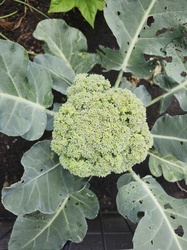
How to Care for Broccoli
Grow robust broccoli plants with full sun, rich moisture-retentive soil, steady watering, and cool-season timing for the best flowering heads.
Read the full Broccoli encyclopedia entry →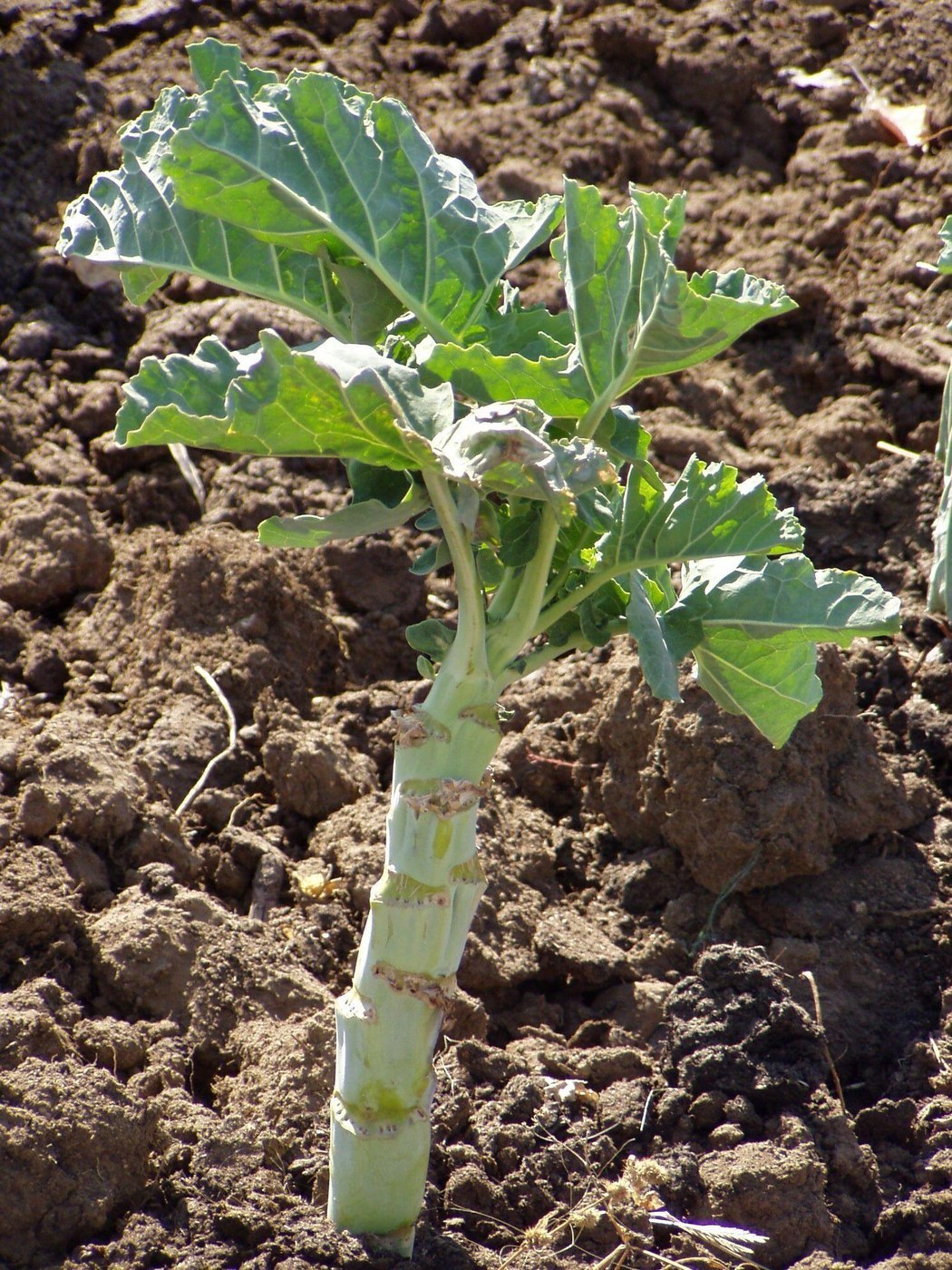
Broccoli (Brassica oleracea, Italica Group) is a fast-growing cool-season member of the cabbage family prized for the dense flowering head it produces at the top of a sturdy leafy stalk. It rewards steady moisture, fertile soil, and cool temperatures, and struggles when it is stressed by heat or drought.
Light
Broccoli demands full sun, meaning at least 6 to 8 hours of direct light daily. Ample sun drives the vigorous leaf growth that fuels a large, tight central head. In very warm climates a little afternoon shade can slow bolting, but in most gardens the more direct sun the better, so long as moisture is kept up.
Water
Provide consistent, even moisture, roughly 1 to 1.5 inches per week including rainfall. Broccoli has a shallow, spreading root system and resents drying out; irregular watering causes stress that can trigger premature flowering (bolting) and small, loose heads. Water at the base to keep foliage dry, and mulch to hold soil moisture even.
Soil & Potting
Grow in deep, fertile, well-drained soil rich in organic matter, with a slightly acidic to neutral pH around 6.0 to 7.0. Work in plenty of compost before planting. In containers choose a pot at least 12 inches deep and wide per plant and use a rich potting mix; a firm, non-compacted soil helps anchor the top-heavy plant.
Humidity & Temperature
This is a cool-weather crop that thrives between about 60 and 70 F. It tolerates light frost and even sweetens in cool conditions, but sustained heat above roughly 80 F causes bolting and poor head formation. Time plantings for spring and fall so the plant matures during cool weather.
Feeding
Broccoli is a heavy feeder. Amend the bed with compost at planting, then side-dress with a balanced or nitrogen-leaning fertilizer about three weeks after transplanting to push leafy growth. Ease off high nitrogen once the head begins to form. Consistent feeding produces the large frame of leaves needed to support a full head.
Propagation
Grow from seed, either sown indoors 5 to 7 weeks before the last spring frost or direct-sown for a fall crop. Sow 1/4 to 1/2 inch deep, keep the medium warm and moist for germination in 5 to 10 days, then grow on in bright light. Harden seedlings off and transplant 18 to 24 inches apart once they have a few true leaves.
Repotting / Pruning
Container plants generally finish their cycle in a single pot and are not repotted. Remove yellowing lower leaves to improve airflow. Many types produce smaller side shoots from leaf axils after the main head is cut, so keep the plant fed and watered to encourage this secondary flush.
Common Problems & Pests
Cabbage worms and loopers chew ragged holes in leaves; handpick or use a targeted control. Aphids cluster on new growth and undersides of leaves; blast them off with water. Flea beetles pepper foliage with tiny holes. Clubroot and downy mildew appear in wet, crowded conditions, so rotate crops and space plants well. Bolting and hollow stems usually trace back to heat or uneven watering.
Seasonal Care Tips
Start seeds in late winter for a spring crop and in mid to late summer for a fall crop, which often produces the best heads as temperatures drop. Mulch to keep roots cool and moist through warm spells. Protect fall plantings from early hard freezes with row cover, and clear spent plants at season's end to reduce pest carryover.
Frequently asked questions
Why did my broccoli flower before forming a proper head?
That is bolting, triggered by heat or stress. Broccoli is a cool-season plant, so warm temperatures above about 80 F, uneven watering, or root-bound seedlings push it to flower early. Plant so it matures in cool weather and keep moisture steady.
How much sun does broccoli need?
Full sun, at least 6 to 8 hours of direct light daily. Strong light fuels the leafy growth that supports a large central head. In hot regions a bit of afternoon shade can help delay bolting.
Can I grow broccoli in a container?
Yes. Use a pot at least 12 inches deep and wide per plant, filled with rich, well-drained potting mix. Water consistently since containers dry out faster, and feed regularly because broccoli is a heavy feeder.
Why are my broccoli heads small and loose?
Loose, small heads usually come from heat, insufficient feeding, or inconsistent watering. Keep the plant in cool conditions with rich soil, steady moisture, and a nitrogen boost during leafy growth to build a full frame that supports a tight head.
Broccoli identified by the community
Recent Broccoli specimens identified with Plant Identifier.