
How to Care for Bunny Ear Cactus
Bunny ear cactus (Opuntia microdasys) is an easy, sun-loving pad cactus needing bright light, sparse water, and gritty soil.
Read the full Bunny Ear Cactus encyclopedia entry →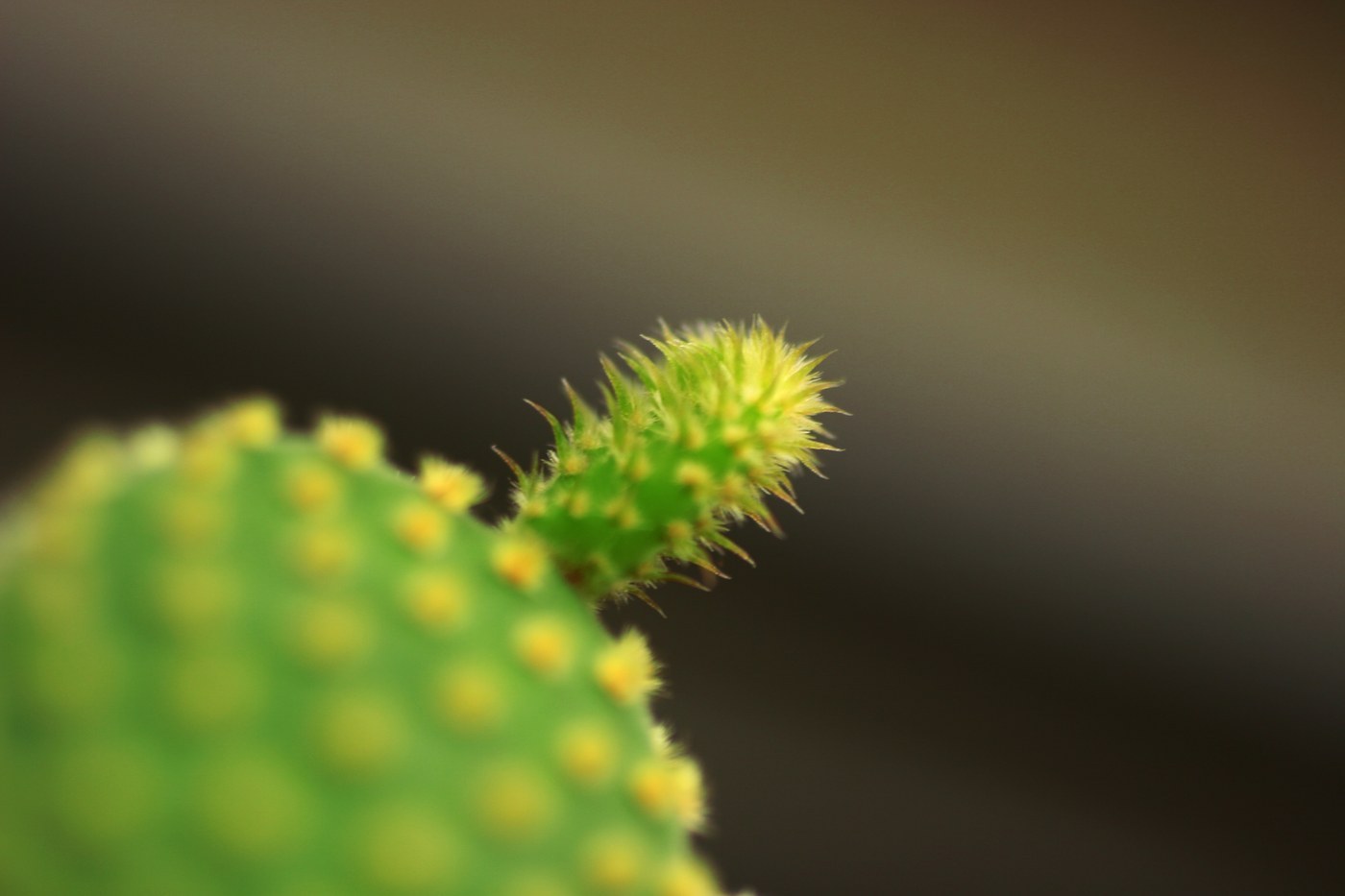
Bunny ear cactus (Opuntia microdasys) is a charming Mexican prickly-pear relative whose flat, paddle-shaped pads grow in pairs that resemble rabbit ears, dotted with tufts of fine bristles. It is an easy, forgiving desert cactus that thrives on bright light and a lean, dry, gritty root run.
Light
Give bunny ear cactus as much bright direct light as possible, ideally a south or west window indoors or full sun outdoors in warm climates. With strong light the pads stay compact and produce their characteristic dense polka-dot tufts. In low light the plant etiolates, growing pale, thin, and stretched. When moving it into stronger sun after winter, increase exposure gradually to prevent scorching.
Water
Water sparingly and always let the soil dry out completely between waterings. During the active growing season in spring and summer, a thorough soak every couple of weeks is usually enough; in autumn and winter, water very rarely. Overwatering is the fastest way to kill this cactus, causing soft, mushy pads and root rot. When in doubt, wait longer before watering.
Soil & Potting
Use a fast-draining cactus and succulent mix, or amend regular potting soil heavily with coarse sand, perlite, or pumice so water runs straight through. A gritty, mineral-rich medium prevents the roots from sitting wet. Always use a pot with drainage holes; unglazed terracotta is ideal because it wicks moisture and dries the root zone quickly. Handle the plant carefully, as the fine bristles detach easily.
Humidity & Temperature
This cactus loves warm, dry air and low humidity. It thrives in typical room temperatures and hot summer conditions and prefers a cooler, drier rest in winter around 10-15 C (50-60 F), which can encourage blooming. Protect it from frost; it is not reliably cold hardy and should be brought indoors or sheltered where freezes occur.
Feeding
Feed lightly with a diluted low-nitrogen cactus fertilizer once or twice during the spring and summer growing season. It needs very little feeding overall, and too much fertilizer produces weak, soft growth. Do not feed in autumn or winter while the plant is resting.
Propagation
Propagation is very easy from pad cuttings. Wearing protection because of the bristles, twist or cut off a healthy pad, let the cut end callus over for several days to a week, then set it in dry, gritty mix. Water sparingly until roots form. Spring and summer are the best times to root new pads.
Repotting / Pruning
Repot only every few years, when the plant outgrows its container, choosing a pot just one size larger. Repot in spring into dry mix and wait several days before watering so any damaged roots can heal. Pruning is rarely needed beyond removing damaged pads or shaping; use tongs or thick gloves and clean tools because of the irritating bristles.
Common Problems & Pests
The main problem is overwatering, which leads to soft, discolored, or collapsing pads and root rot; correct it by drying out and improving drainage. Insufficient light causes pale, stretched growth. Watch for mealybugs nestled in the tufts and scale on the pads; treat with diluted alcohol on a swab or insecticidal soap. Cold, wet conditions can cause corky spots or rot.
Seasonal Care Tips
In spring and summer, provide maximum sun, water when the soil is fully dry, and feed lightly; this is when growth and possible flowering occur. In autumn, taper off watering as growth slows. In winter, give the plant a cool, bright, nearly dry rest and protect it from frost; withhold water almost entirely to prevent rot and to encourage spring blooms.
Frequently asked questions
How often should I water bunny ear cactus?
Water sparingly, only after the soil has dried out completely. Roughly every two weeks in spring and summer, and very rarely in winter. Overwatering is the most common cause of failure, so always err on the dry side.
Why is my cactus growing pale and stretched?
This etiolation means it is not getting enough light. Move it to the brightest spot you have, such as a south or west window or full sun outdoors, and increase exposure gradually to avoid scorching.
How do I propagate it?
Detach a healthy pad (protect your hands from the bristles), let the cut end callus for several days, then set it in dry gritty cactus mix. Water sparingly until roots develop, ideally in spring or summer.
Why are the pads turning soft and mushy?
Soft, mushy pads signal overwatering and possible root rot. Stop watering, let the plant and soil dry out, and repot into fast-draining gritty mix with good drainage if the problem persists.