
How to Care for Bur Oak
A massive, long-lived native shade tree with deeply lobed leaves and fringed acorns, exceptionally tough and adaptable.
Read the full Bur Oak encyclopedia entry →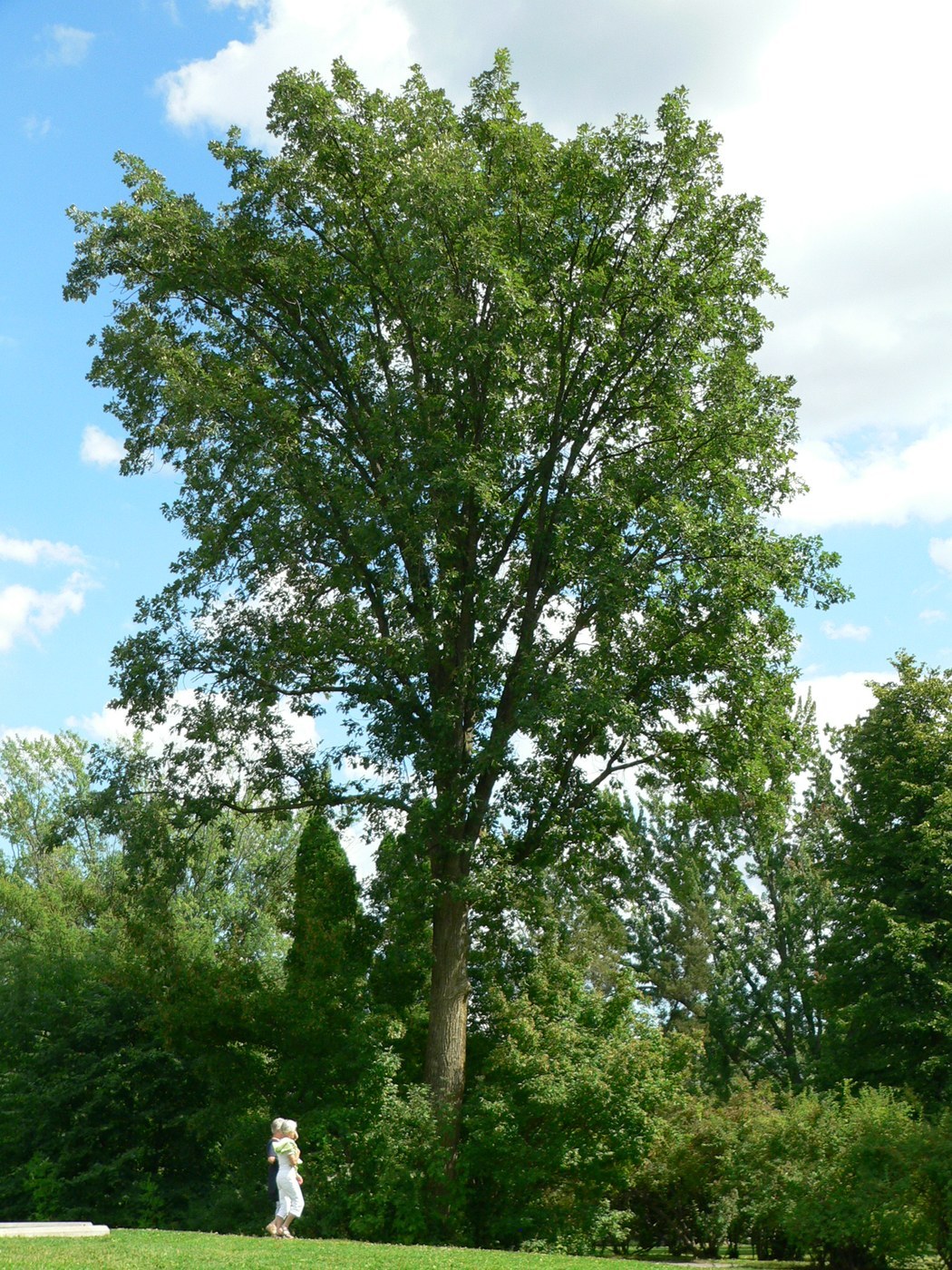
Bur Oak (Quercus macrocarpa) is a majestic, exceptionally long-lived native shade tree known for its broad spreading crown, deeply lobed leaves, and distinctive large acorns capped in a mossy fringe. Remarkably tough and adaptable to a wide range of soils and climates, it is an easy, low-maintenance choice for a landscape legacy tree where there is ample space.
Light
Plant Bur Oak in full sun. As a dominant canopy tree it demands abundant sunlight to develop its strong, spreading form and healthy foliage. Avoid siting it where taller structures or trees will cast heavy shade over the young tree, which can slow its establishment.
Water
Water young trees regularly and deeply during the first few years to encourage a deep root system. Once established, Bur Oak is notably drought-tolerant and adaptable, handling dry spells that would stress lesser trees thanks to its extensive roots. It also tolerates occasional flooding and heavy soils, making it one of the most adaptable oaks.
Soil & Potting
Bur Oak is famously unfussy about soil, thriving in clay, loam, or sandy ground and tolerating both dry upland sites and periodically wet bottomlands. It handles a broad pH range, including alkaline soils that trouble many oaks. Good establishment comes from planting at the correct depth with the root flare at the surface and mulching the root zone.
Humidity & Temperature
Hardy across roughly USDA zones 3-8, Bur Oak withstands harsh cold, summer heat, wind, and drought, reflecting its prairie and savanna origins. It requires no humidity management and is one of the most climate-resilient large trees available, tolerating the extremes of continental climates with ease.
Feeding
Established Bur Oaks rarely need feeding. For young trees, a spring application of a balanced slow-release fertilizer can support growth, but mature trees generally thrive on the natural nutrient cycling of leaf litter. Avoid over-fertilizing; a slow, steady growth rate produces the strongest wood and longest-lived tree.
Propagation
Propagate from fresh acorns collected in fall. Bur Oak acorns are in the white oak group and germinate soon after dropping, so sow them promptly rather than storing them dry. Plant acorns about an inch deep in a protected spot or deep pot, as the long taproot makes transplanting older seedlings difficult. Protect germinating acorns from squirrels and rodents.
Repotting / Pruning
Because of its deep taproot, plant Bur Oak in its permanent location while young and avoid transplanting large specimens. Prune in the dormant season, ideally late winter, to remove dead, damaged, or crossing branches and to establish a strong central leader when young. Avoid pruning in spring and early summer when the risk of disease spread through fresh cuts is higher.
Common Problems & Pests
Bur Oak is one of the most disease- and pest-resistant oaks. It can occasionally encounter oak wilt, various leaf galls, oak leaf blister, and defoliating caterpillars, but a healthy, well-sited tree usually shrugs these off. Minimize oak wilt risk by pruning only in the dormant season and promptly sealing any wounds made during the growing season. Its thick, corky bark makes mature trees notably fire- and stress-resistant.
Seasonal Care Tips
In spring, apply fresh mulch over the root zone (keeping it off the trunk) and inspect for any winter damage; avoid pruning now. Through summer, water young trees deeply during droughts. In fall, collect and sow acorns if you want to grow new trees, and rake or leave leaf litter to enrich the soil. Late winter is the ideal time for structural pruning while the tree is dormant.
Frequently asked questions
How big does a Bur Oak get and how fast does it grow?
Bur Oak is a large tree that can reach 60 to 80 feet tall with an equally broad crown. It grows at a slow to moderate pace, but this steady growth produces exceptionally strong wood and a tree that can live for centuries.
Can I grow a Bur Oak from an acorn?
Yes. Collect fresh acorns in fall and sow them promptly about an inch deep, since white-oak-group acorns germinate soon after dropping and don't store well. Protect them from squirrels, and plant in the permanent spot early because of the deep taproot.
When is the best time to prune a Bur Oak?
Prune during the dormant season, ideally late winter. Avoid pruning in spring and early summer to reduce the risk of spreading oak wilt through fresh cuts, and seal any wounds made during the growing season.
Is Bur Oak drought-tolerant?
Very. Once established, Bur Oak is among the most drought- and stress-tolerant oaks, thanks to its deep roots and prairie-savanna origins. Water young trees deeply for the first few years, then it largely fends for itself.