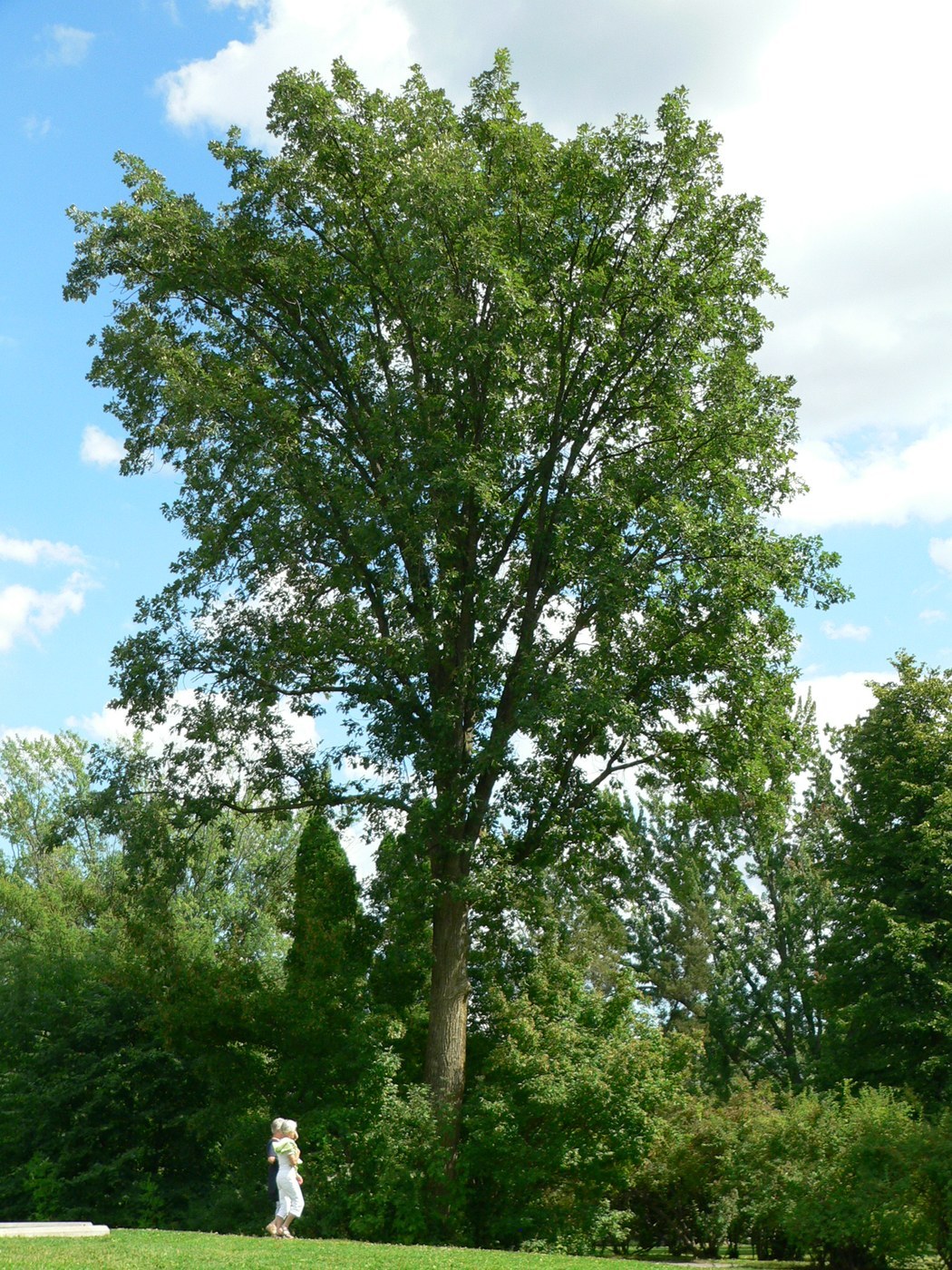
Bur Oak
Quercus macrocarpa
Bur oak is a massive, long-lived North American oak known for its huge, fringe-capped acorns, deeply furrowed bark and exceptional toughness. Drought- and fire-resistant, it is a stately tree for large landscapes.
- Light
- Full sun
- Water
- Drought-tolerant once established; adaptable
- Difficulty
- Easy
Got a plant like this?
Identify any plant from a photo, free.
Overview
Bur oak is a large, slow-growing, exceptionally long-lived deciduous oak native to central and eastern North America. A member of the white oak group, it is one of the most rugged and adaptable of all oaks.
It is named for its distinctive acorns — the largest of any native North American oak — which are partly enclosed in a deep, mossy, fringed cap (giving the alternate name "mossycup oak"). The tree's thick, corky bark makes it remarkably resistant to fire and drought.
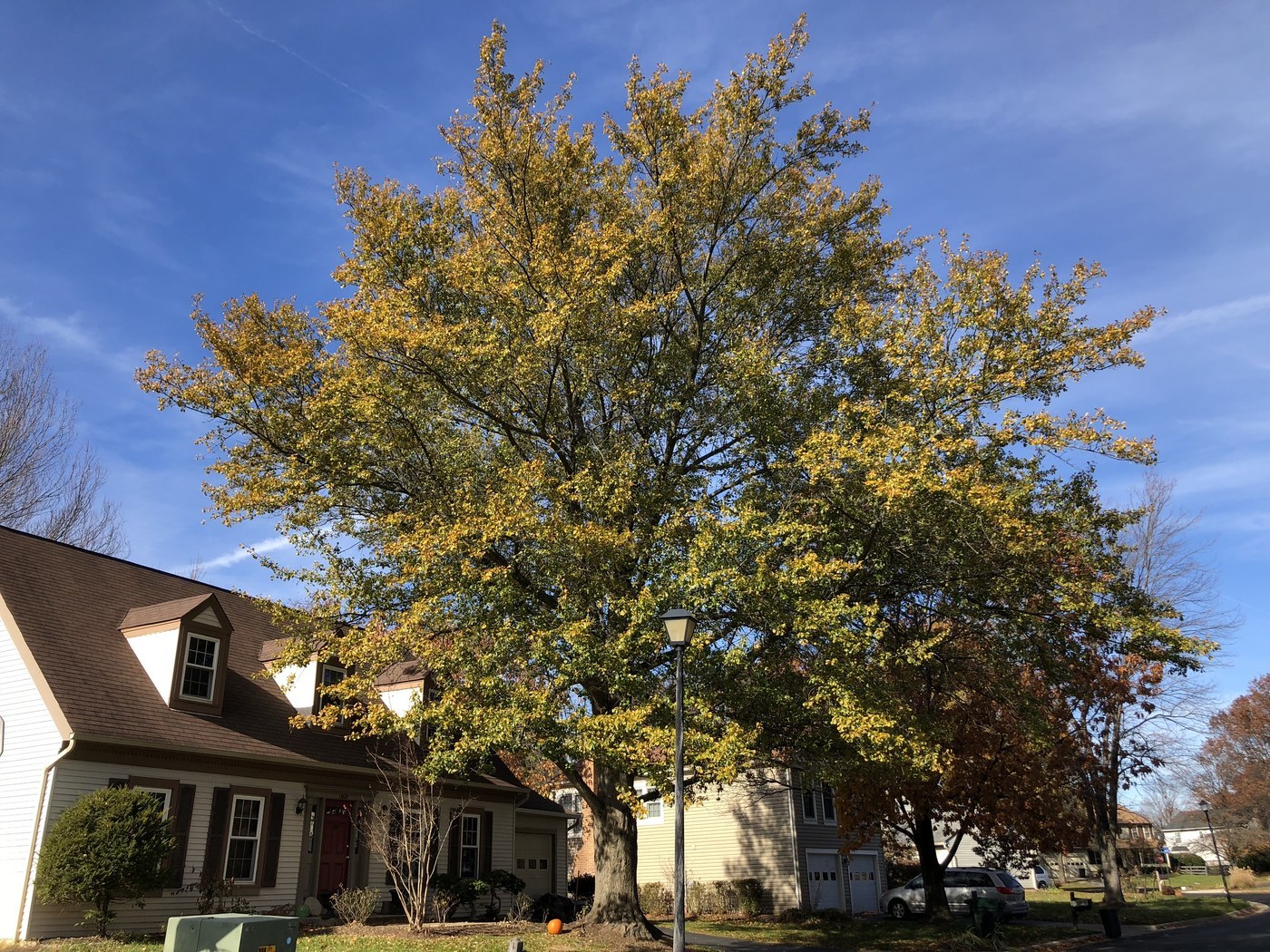
With its broad, spreading crown and massive trunk, bur oak can live for two to four centuries and was a defining tree of the oak savannas and prairie edges of the American Midwest. It is a superb, durable shade tree for large spaces.
How to identify it
- Leaves: Large, deeply lobed leaves with a characteristic narrowing near the middle (the lower lobes deeply cut); dark glossy green above, paler beneath, rounded lobes typical of the white oak group
- Acorns: The largest of native North American oaks — up to 4 cm — half-enclosed in a deep cup with a distinctive mossy, fringed rim
- Bark: Thick, rugged, deeply furrowed grey-brown bark; corky ridges on twigs are common
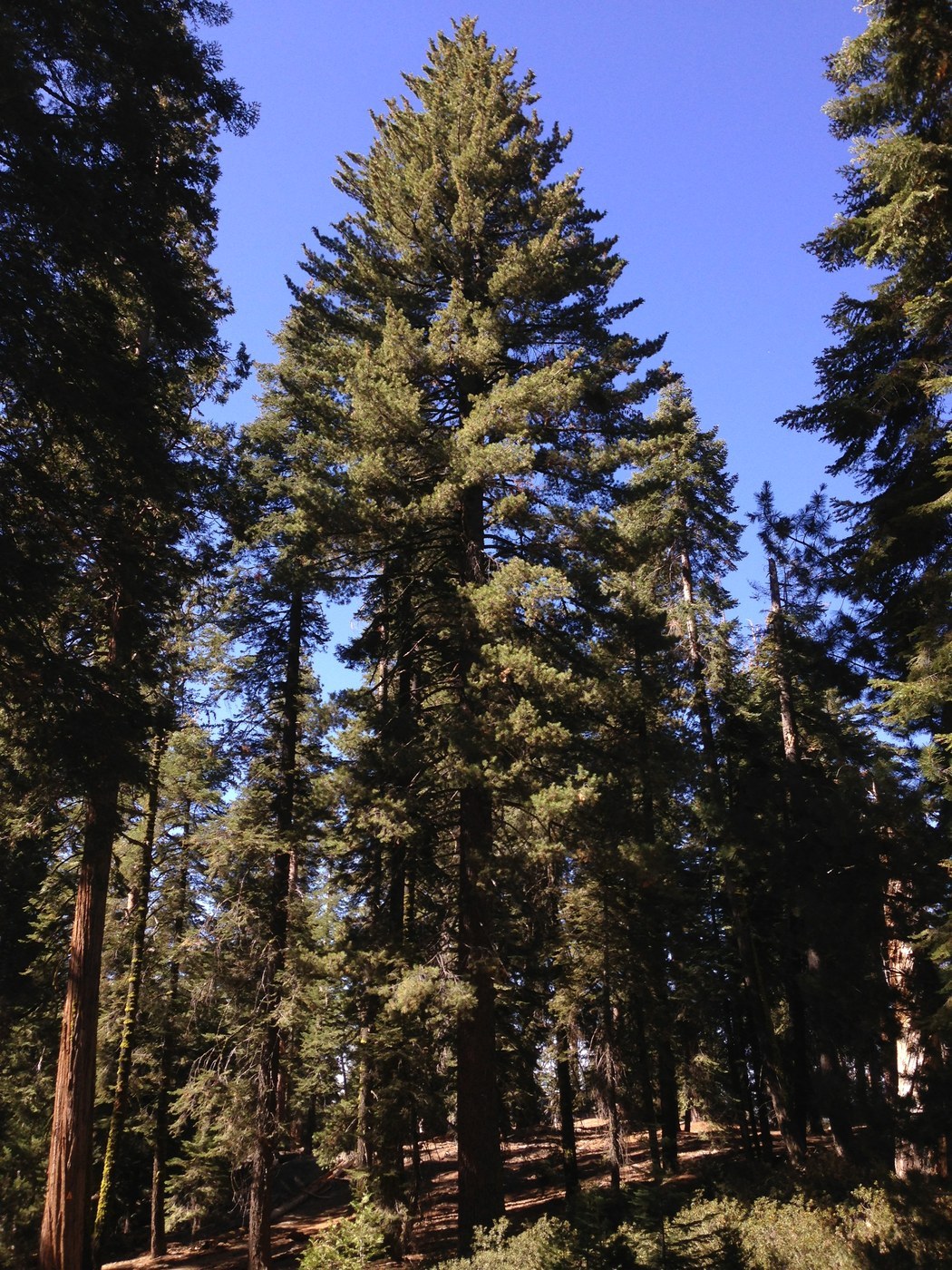
- Size: Typically 20–30 m (65–100 ft) tall, with a massive trunk and broad, spreading crown
- Habit: Wide-spreading and stout; slow-growing and very long-lived
Care & growing
Light: Full sun; bur oak is shade-intolerant.
Water: Drought-tolerant once established thanks to a deep taproot; also tolerates occasional flooding. Water young trees until established.
Soil: Extremely adaptable — tolerates dry, clay, alkaline and poor soils as well as rich bottomlands; one of the most soil-tolerant oaks.
Temperature: Very cold-hardy and heat-tolerant across USDA zones 3–8.
Feeding: Generally not needed once established.
Planting: Develops a deep taproot, so transplant when young and site it permanently; it resents disturbance and is slow to establish but extremely durable.
Propagation: From acorns sown fresh in fall; germinates readily but grows slowly.
Habitat & origin
Quercus macrocarpa is native to central and eastern North America, ranging across the Great Plains and Midwest from southern Canada down through the central United States. It has one of the widest ranges and greatest cold-hardiness of the North American oaks.
It is a signature tree of oak savannas, prairie groves and open woodlands, where its thick bark let it survive the periodic fires that maintained those grasslands. It tolerates urban conditions and is planted as a tough, long-lived shade and park tree across temperate North America.
Frequently asked questions
Why is it called bur oak?
The name comes from its acorns, whose cups have a distinctive mossy, fringed rim resembling a bur — hence the alternate names 'mossycup' and 'burr oak.' Its acorns are the largest of any native North American oak.
How long do bur oaks live?
They are very long-lived, commonly reaching 200–300 years and sometimes exceeding 400 years, growing slowly but steadily into massive, broad-crowned trees.
Is bur oak a good tree for tough conditions?
Yes — it is one of the most adaptable oaks, tolerating drought, poor and clay soils, alkalinity, cold, heat, urban pollution and even occasional flooding, thanks partly to its thick, fire-resistant bark and deep taproot.
How fast does a bur oak grow?
Slowly — typically less than 30 cm (1 ft) per year. It is planted for the long term, trading slow growth for great size, toughness and longevity.
Bur Oak guides
In-depth guides for identifying, growing, and caring for Bur Oak.
How to Care for Bur Oak
A massive, long-lived native shade tree with deeply lobed leaves and fringed acorns, exceptionally tough and adaptable.
Bur Oak Identification Guide
Identify bur oak by its large fiddle-shaped lobed leaves, deeply ridged corky bark, and giant fringed acorn caps. Includes how to separate it from white oak and other members of the white oak group.