How to Care for Burdock
Burdock is a robust, easy biennial with huge bold leaves and burr-topped purple flowers; give it sun to part shade and deep, moist soil.
Read the full Burdock encyclopedia entry →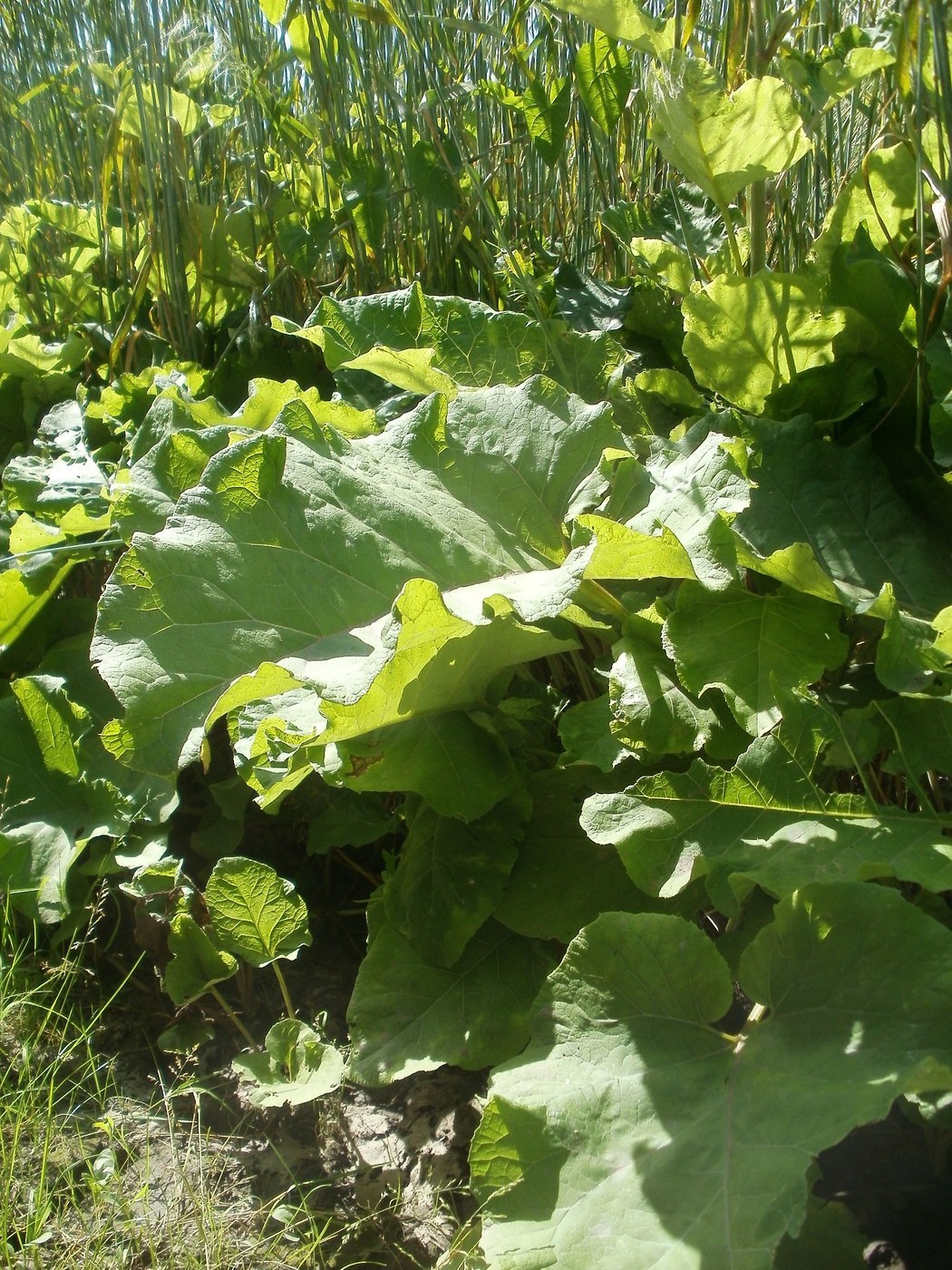
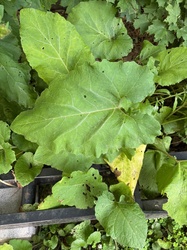
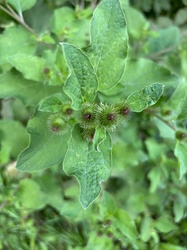
Burdock (Arctium lappa) is a large, vigorous biennial grown for its dramatic architecture: enormous rhubarb-like basal leaves in the first year, followed by a tall, branching flower stalk topped with thistle-like purple heads and characteristic clinging burrs in the second year. It is undemanding and grows almost anywhere.
Light
Burdock grows in full sun to partial shade. Full sun produces the sturdiest, most upright plants and the best flowering, while part shade suits it in hot climates and keeps the big leaves from wilting midday. It is genuinely adaptable to light levels.
Water
Give it average, steady moisture. Burdock has a deep taproot and tolerates both ordinary garden conditions and periodically moist soil. Regular watering keeps the large leaves lush and prevents wilting in heat, but the established taproot lets it endure dry spells better than its lush look suggests.
Soil & Potting
Deep, loose, fertile soil is ideal because burdock drives down a long taproot. It appreciates a rich, moisture-retentive loam but tolerates a wide range including heavy or disturbed ground. Loosen and dig deeply before planting so the root can develop unobstructed; a near-neutral pH suits it.
Humidity & Temperature
A hardy temperate plant, burdock shrugs off cold winters and grows through warm summers. It needs no special humidity and handles typical outdoor swings. Cold winter dormancy in its first year is normal and helps trigger flowering in the second.
Feeding
Burdock is a hungry, fast grower and responds to fertility. Work compost or well-rotted organic matter into the bed at planting, and a balanced feed during active growth supports the huge leaves and deep root. On already-rich soil little supplemental feeding is needed.
Propagation
Grow burdock from seed, sown directly where it will grow since the taproot resents transplanting. Sow in spring; germination is reliable in warm, moist soil. It self-seeds readily via its burrs, so deadhead the seed heads if you want to prevent unwanted spread.
Repotting / Pruning
As a deep-rooted biennial it is not suited to containers or repotting; grow it in open ground. Pruning is minimal, but removing the flowering stalk before the burrs mature prevents prolific self-seeding. Cut back tired foliage as needed for tidiness.
Common Problems & Pests
Burdock is robustly healthy. Powdery mildew can dust the large leaves in humid, crowded conditions; improve spacing and airflow. Aphids, leaf miners, and occasional caterpillars may nibble the foliage but rarely cause serious harm. Its main garden drawback is aggressive self-seeding from the clinging burrs.
Seasonal Care Tips
Expect a lush rosette of bold leaves the first year and flowering in the second. Keep it watered through summer heat, and cut off the burr-bearing seed heads in late summer to stop it spreading. After setting seed the plant dies, completing its biennial cycle.
Frequently asked questions
Why did my burdock not flower the first year?
That is normal. Burdock is a biennial: it forms a large leafy rosette in year one and only sends up its tall flowering stalk with burrs in year two after a winter chill.
How do I stop burdock from spreading everywhere?
Cut off the flower and seed heads before the burrs mature and dry. The burrs cling to fur and clothing and scatter widely, so removing them prevents unwanted self-seeding.
Can I grow burdock in a pot?
Not really. Its long, deep taproot needs open, deeply dug ground to develop properly. Containers stunt it, so grow burdock directly in the garden in loose, fertile soil.
Why are my burdock leaves wilting in summer?
The huge leaves lose a lot of water on hot days. Provide steady moisture and consider a spot with afternoon shade in hot climates; the deep taproot helps it recover once temperatures drop.
Burdock identified by the community
Recent Burdock specimens identified with Plant Identifier.