
How to Care for Burning Bush
Grow-and-glow guide to Euonymus alatus: an easy, drought-tolerant deciduous shrub prized for its blazing scarlet autumn foliage.
Read the full Burning Bush encyclopedia entry →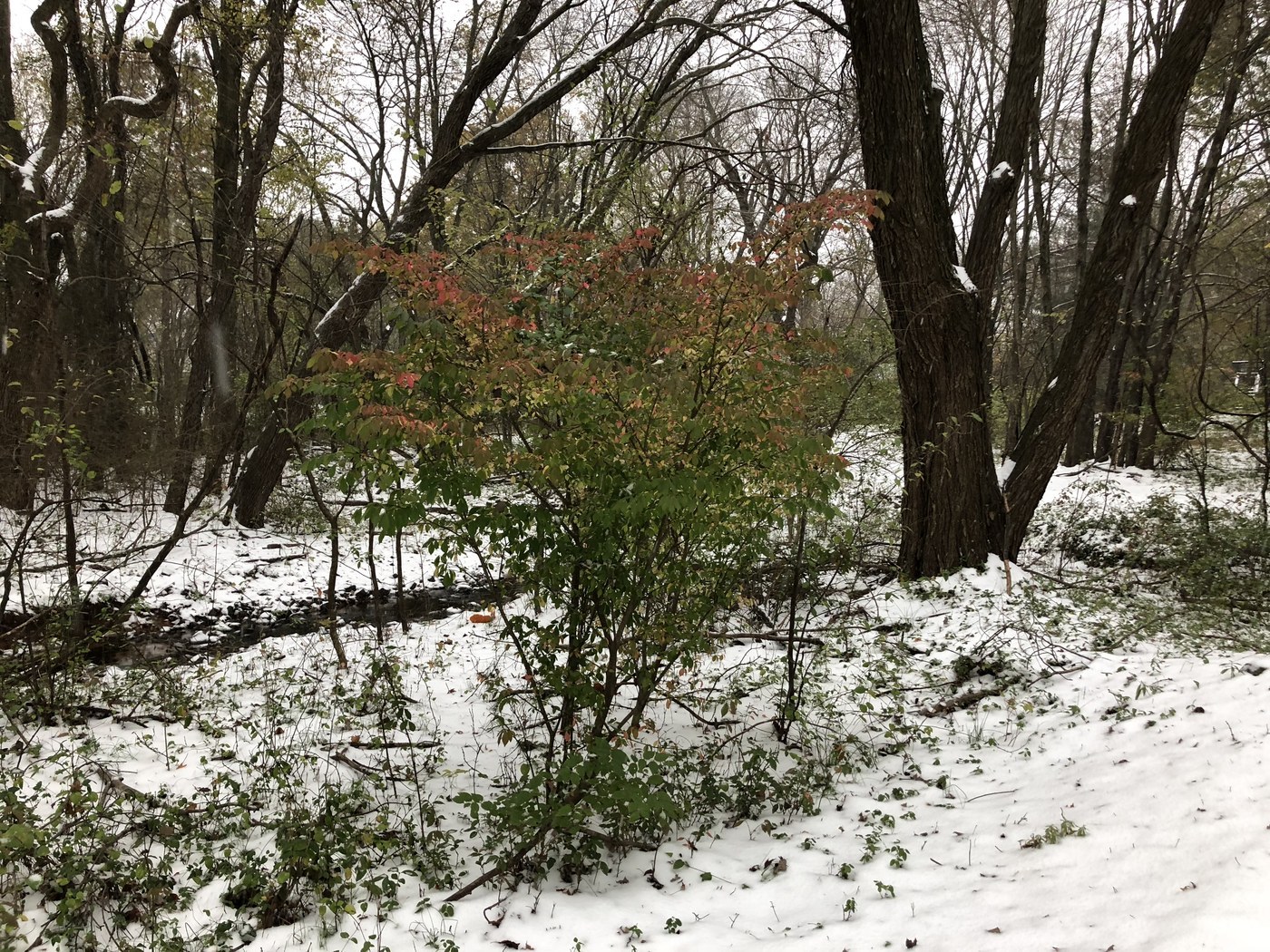
Burning Bush (Euonymus alatus) is a tough, deciduous shrub grown almost entirely for its spectacular fall color, when the summer-green foliage ignites into brilliant crimson and scarlet. It also features curious corky "wings" along its stems that add winter interest, and it thrives on neglect once established.
Light
Burning Bush performs best in full sun to part shade. The fiery autumn color is strongly light-dependent: plants in full sun turn deep scarlet, while those in shade often color to a muted pink or stay greenish. For the most dramatic display, give it at least 6 hours of direct sun per day.
Water
Moderate watering suits this shrub. Water young plants regularly through their first year or two to establish a strong root system. Once established, Burning Bush is markedly drought-tolerant and rarely needs supplemental water except during prolonged dry spells. Avoid consistently soggy soil, which the roots dislike.
Soil & Potting
Highly adaptable, it grows in almost any well-drained soil, tolerating clay, loam, sand, and a wide pH range from acidic to alkaline. The key requirement is that the site drains freely. Amend heavy clay with compost to improve drainage and structure before planting.
Humidity & Temperature
A cold-hardy temperate shrub (roughly USDA zones 4-8), it withstands hard freezes and needs a proper winter chill. Humidity is a non-issue; it handles both humid summers and dry continental climates. Extreme summer heat may slightly dull fall color.
Feeding
Burning Bush is not a heavy feeder. A single application of balanced slow-release fertilizer in early spring is plenty for landscape plants. Over-fertilizing, especially with high nitrogen, promotes soft leafy growth at the expense of the intense fall coloring. In decent soil, an annual topdressing of compost may be all it needs.
Propagation
Propagate by softwood or semi-hardwood cuttings taken in early summer, dipped in rooting hormone and kept in a humid, well-drained medium. Seeds require cold stratification and are slow. Layering low branches is also reliable: pin a stem to the soil and it will root over a season.
Repotting / Pruning
Prune in late winter to early spring while dormant to shape the shrub or maintain size; it tolerates hard renewal pruning and even shearing into hedges. Remove any dead or crossing stems to keep the interior open. Container specimens should be repotted or root-pruned every couple of years.
Common Problems & Pests
Generally trouble-free and vigorous. Scale insects and spider mites are the most common pests, especially on stressed plants; treat with horticultural oil. Watch for crown gall and occasional powdery mildew in stagnant air. Note that in many regions this species spreads aggressively by seed and is considered invasive, so choose sterile cultivars or deadhead where that is a concern.
Seasonal Care Tips
- Spring: Apply slow-release feed and mulch; prune to shape before leaf-out.
- Summer: Water during droughts; take cuttings for propagation.
- Autumn: Enjoy the peak scarlet display; reduce watering as growth slows.
- Winter: Fully dormant and hardy; admire the corky winged stems and do major structural pruning if needed.
Frequently asked questions
Why isn't my Burning Bush turning red in fall?
Insufficient sunlight is the usual cause. Plants in shade color poorly, often staying pinkish or green. Move or plant it in full sun for the most intense scarlet display, and avoid excess nitrogen fertilizer.
How big does Burning Bush get?
Unpruned, the species can reach 10-15 feet tall and wide, though dwarf cultivars stay around 4-6 feet. Regular late-winter pruning keeps it at any desired size and it responds well to shearing.
Is Burning Bush hard to grow?
No, it is one of the easiest ornamental shrubs. It tolerates poor soil, drought once established, and a wide range of conditions, needing little more than an annual pruning and occasional feeding.
When should I prune Burning Bush?
Prune in late winter to early spring while the shrub is dormant. It tolerates hard pruning and shearing, so this is the ideal time to shape it or reduce its size before new growth begins.