
How to Care for Buttercup
Grow glossy-yellow Buttercup in sun to part shade and consistently moist soil for a cheerful, easy-care perennial.
Read the full Buttercup encyclopedia entry →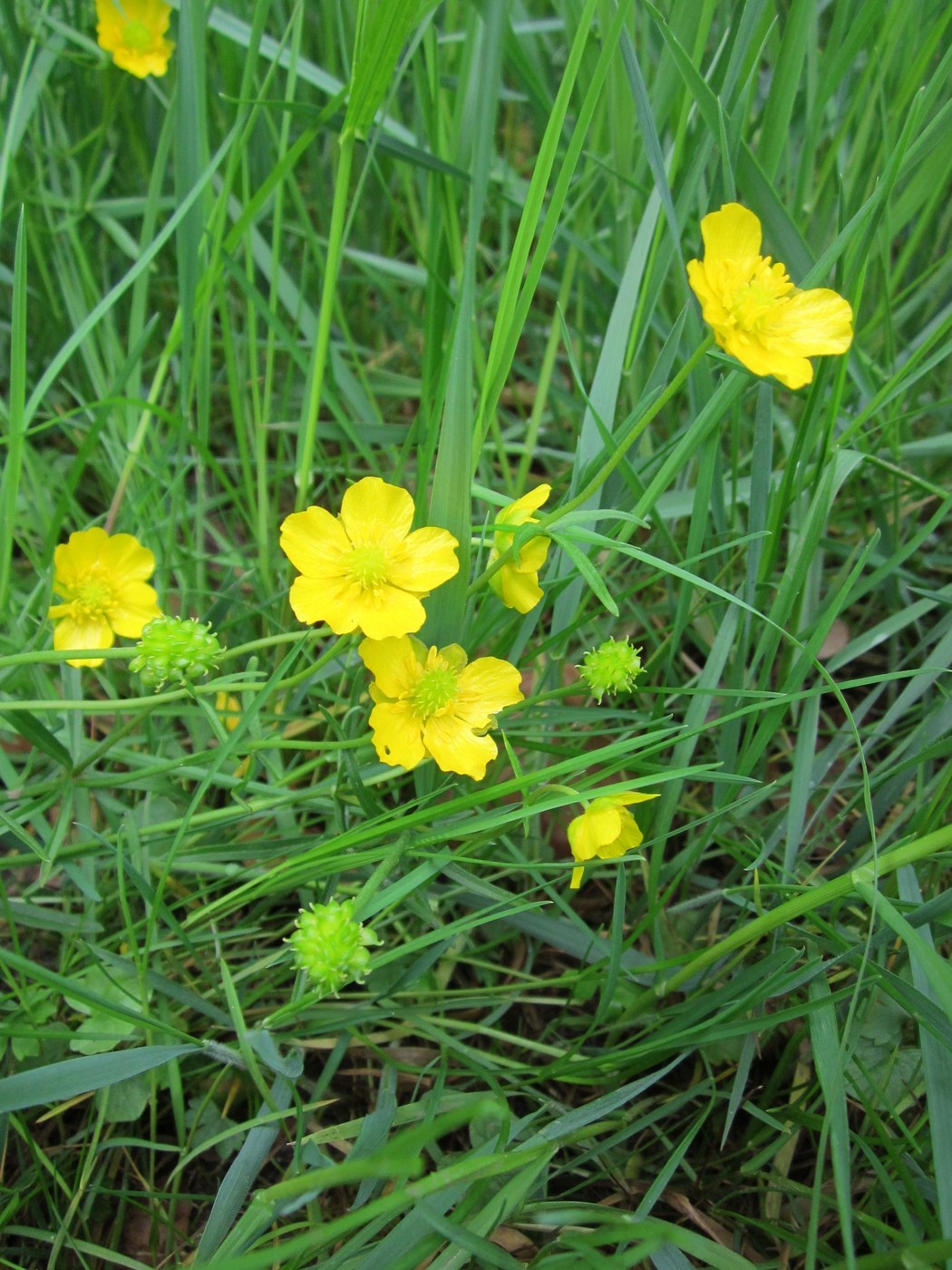
The Buttercup (Ranunculus acris) is a vigorous herbaceous perennial known for its glossy, cup-shaped yellow flowers held above deeply cut foliage. It is easy to grow, spreads readily, and is happiest in moisture-retentive soil where many other plants would sulk.
Light
Buttercup grows well in full sun to partial shade. Full sun yields the most abundant flowering and compact growth, while some afternoon shade is welcome in hot climates and helps keep the soil from drying out. In deep shade it flowers poorly and becomes leggy.
Water
Keep the soil consistently moist. Buttercup naturally grows in damp meadows and tolerates wet, even periodically boggy ground far better than most perennials. Water regularly so the soil never dries out completely, especially during flowering and in warm weather. It is one of the few ornamentals that shrugs off heavy, moisture-retentive soils.
Soil & Potting
It thrives in rich, moisture-retaining soil, including heavy clay and low-lying damp spots. Adding organic matter improves both fertility and water retention. In containers use a moisture-retentive mix and keep it well watered; a slightly larger pot helps buffer against drying out.
Humidity & Temperature
A cool-climate perennial, Buttercup is very cold-hardy and prefers moderate temperatures. It performs best in the cooler parts of the growing season and may slow or brown at the edges during intense summer heat and drought. Ambient humidity is not a concern as long as the roots stay moist.
Feeding
Feeding needs are modest. An annual spring application of balanced fertilizer or a top-dressing of compost supports healthy growth and flowering. Avoid excessive nitrogen, which encourages lush foliage at the expense of blooms and can make the already vigorous plant spread even more aggressively.
Propagation
Propagate easily by division of established clumps in spring or fall, replanting the divisions into moist soil. It also grows readily from seed sown in a cool, moist seedbed, and it self-sows and spreads by creeping growth. Because it can be an enthusiastic spreader, many gardeners rely on division to both propagate and contain it.
Repotting / Pruning
Divide clumps every few years to maintain vigor and control spread. Deadhead spent flowers to tidy the plant and reduce prolific self-seeding if you want to limit its wandering. Cut back tattered foliage after flowering; the plant often produces fresh leaves, and you can shear it to the ground in late fall as it dies back for winter.
Common Problems & Pests
Buttercup is tough and largely pest-free. Powdery mildew can appear in crowded, dry conditions late in the season; improve airflow and keep the roots watered. Its main drawback is vigor: it spreads by seed and creeping growth and can crowd neighbors, so monitor and divide or deadhead to keep it in bounds. Aphids occasionally visit new growth.
Seasonal Care Tips
In spring, divide if needed and ensure steady moisture as growth and flowering begin. Through summer, keep the soil moist and deadhead to prolong bloom and curb self-seeding. In fall, cut back the dying foliage and divide crowded clumps; the plant is fully hardy and returns reliably the following spring.
Frequently asked questions
How much water does a Buttercup need?
Keep the soil consistently moist. Buttercup thrives in damp conditions and even tolerates periodically boggy ground, so water regularly and don't let it dry out fully.
Will Buttercup grow in shade?
It grows in full sun to partial shade. Some shade is fine and helps in hot climates, but deep shade reduces flowering and makes the plant leggy.
How do I keep Buttercup from spreading too much?
Deadhead spent flowers to limit self-seeding, divide clumps regularly, and pull up unwanted creeping growth. Avoiding heavy nitrogen feeding also slows its spread.
How do I propagate Buttercup?
Divide established clumps in spring or fall and replant into moist soil, or sow seed in a cool, damp seedbed. It also self-sows and spreads on its own.