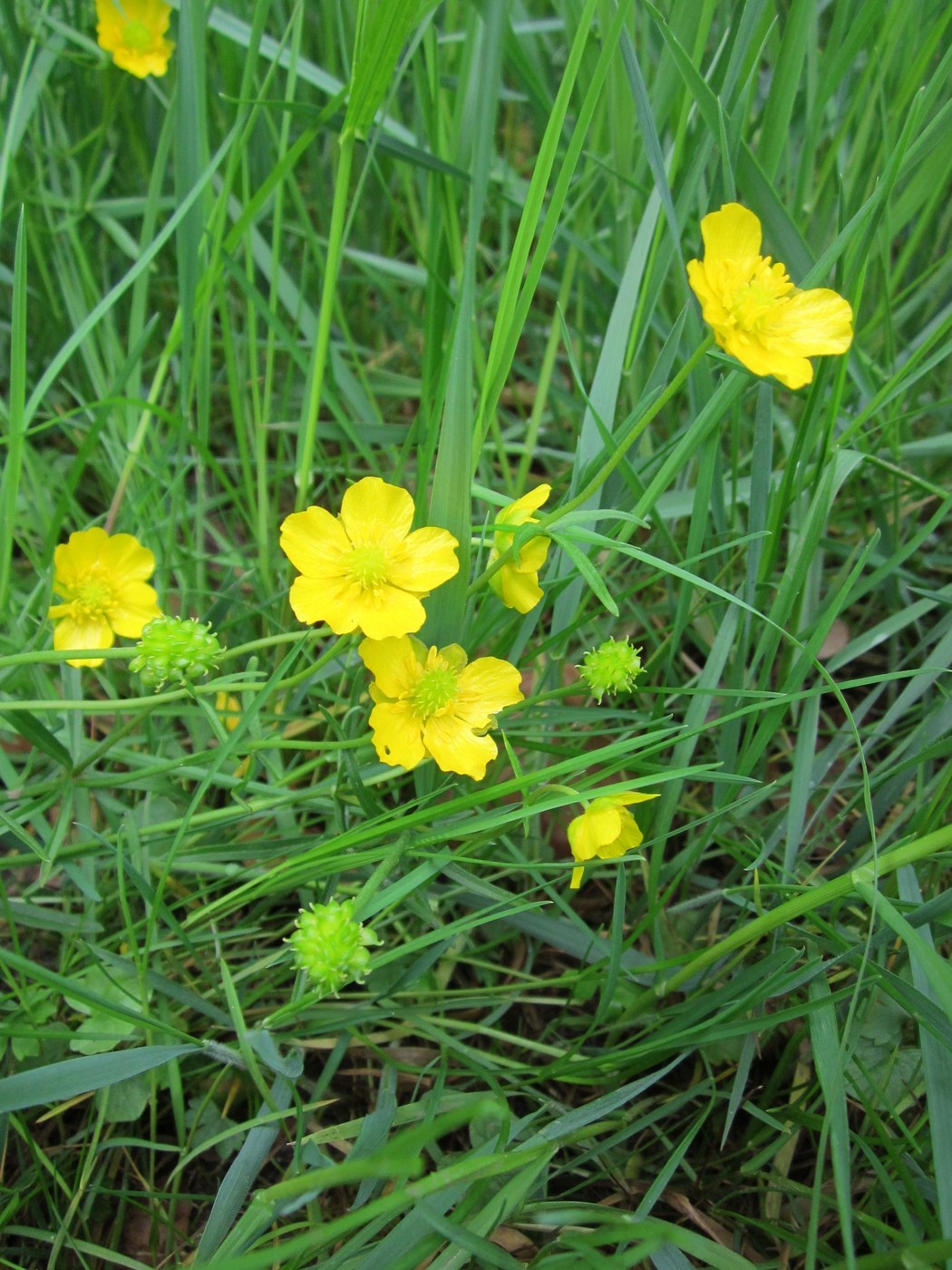
Buttercup
Ranunculus acris
Buttercups are cheerful wildflowers with glossy, cup-shaped yellow blooms that seem to glow in spring meadows.
- Light
- Full sun to part shade
- Water
- Keep moist; tolerates damp soil
- Difficulty
- Easy
Got a plant like this?
Identify any plant from a photo, free.
Overview
Buttercups belong to the genus Ranunculus, a large group of mostly herbaceous plants in the family Ranunculaceae. The familiar wild buttercup of meadows is Ranunculus acris, known for its bright, lacquer-like yellow petals.
The glossy sheen of the petals is famous — the classic childhood game of holding a buttercup under the chin to see a yellow reflection works because the petal surface is unusually reflective. The name reflects the old belief that the flowers gave butter its golden color.
While some florist Ranunculus (such as R. asiaticus) are prized cut flowers, the common buttercup is generally regarded as a charming but persistent wildflower or weed.
How to identify it
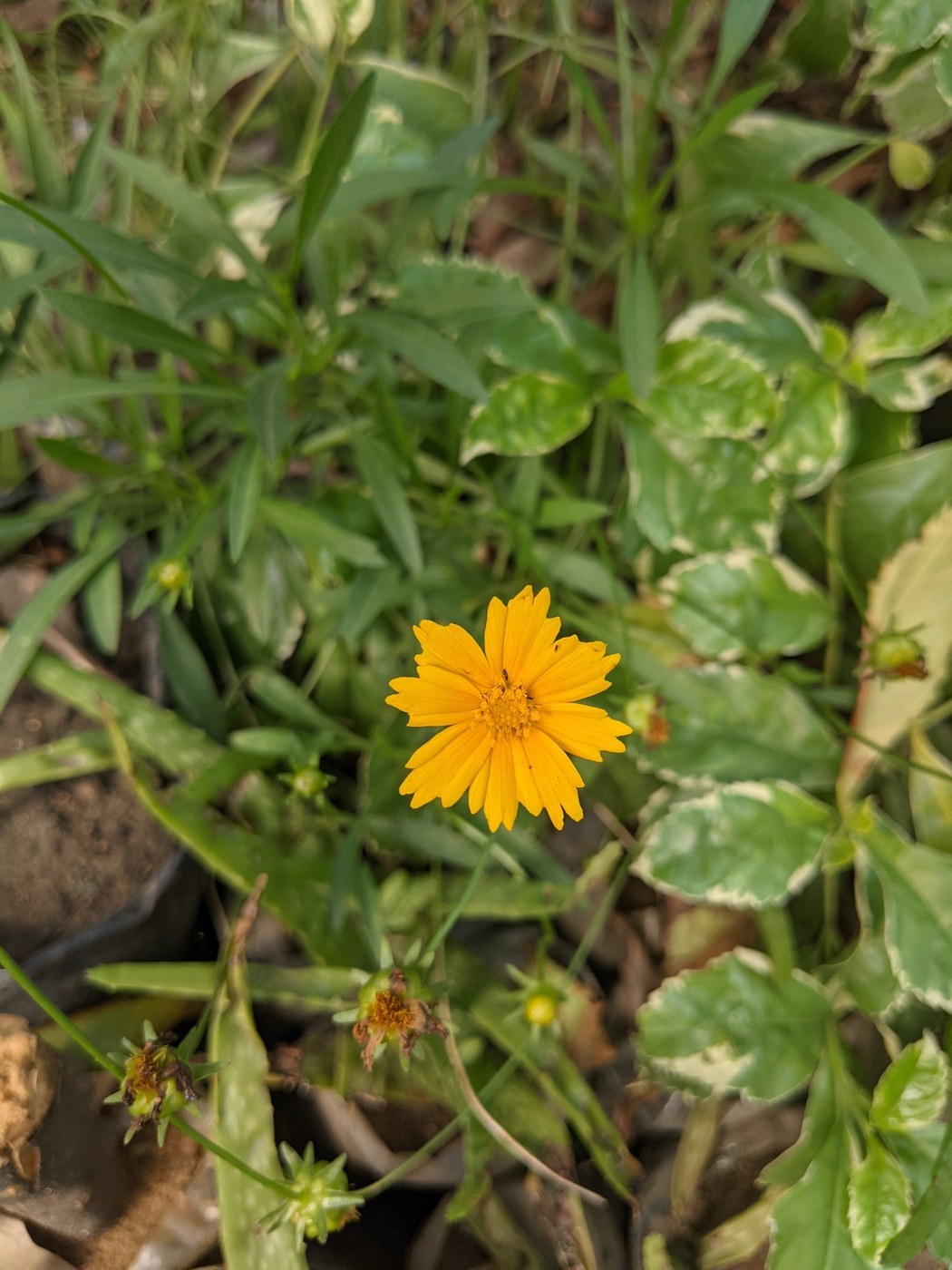
Buttercups are easy to spot by their shiny yellow blooms and divided leaves.
- Flowers: Five (sometimes more) glossy, rounded yellow petals forming a shallow cup, with a tuft of yellow stamens
- Petals: Distinctly lacquered or waxy-looking, reflecting light strongly
- Leaves: Deeply lobed or divided, palmate, hence the old name “crowfoot”
- Habit: Upright branching stems, typically 1-3 ft tall in meadow species
- Spread: Some species (creeping buttercup) spread aggressively by runners
Care & growing
Buttercups thrive with little intervention and can self-seed freely.
- Light: Full sun to partial shade
- Water: Prefer consistently moist soil; many species tolerate damp, even boggy ground
- Soil: Adaptable; happiest in fertile, moisture-retentive soil
- Temperature: Cool-temperate plants, hardy in most temperate zones
- Feeding: Rarely needed; rich soil naturally supports them
- Propagation: By seed or division; creeping types root from runners
In gardens, watch creeping buttercup (R. repens), which can become invasive through aggressive runners.
Habitat & origin
Common buttercup is native to Europe and temperate Asia and has naturalized widely across North America and other temperate regions. It thrives in damp meadows, pastures, ditches, lawns, and roadside verges.
The genus Ranunculus is nearly cosmopolitan, with species in wetlands, alpine zones, and grasslands worldwide. Meadow buttercups are an iconic feature of traditional hay meadows.
Frequently asked questions
Why do buttercups glow yellow under the chin?
Their petals have a uniquely smooth, reflective surface layer that bounces yellow light onto nearby skin, which is the basis for the old children's game.
How do I get rid of buttercups in my lawn?
Improve drainage (they love damp soil), dig out creeping runners, and mow regularly; persistent infestations may need spot treatment.
Do buttercups come back every year?
Most common buttercups are perennials that return annually and also spread by seed or runners.
Buttercup guides
In-depth guides for identifying, growing, and caring for Buttercup.
How to Care for Buttercup
Grow glossy-yellow Buttercup in sun to part shade and consistently moist soil for a cheerful, easy-care perennial.
Buttercup Identification Guide
Identify buttercups by their glossy, five-petaled golden-yellow flowers, deeply lobed leaves, and the famous shiny petal reflection. Includes how to separate them from similar yellow wildflowers.