
How to Care for Butterfly Weed
Butterfly Weed (Asclepias tuberosa) is an easy, drought-tolerant native milkweed with brilliant orange blooms for full sun and lean soil.
Read the full Butterfly Weed encyclopedia entry →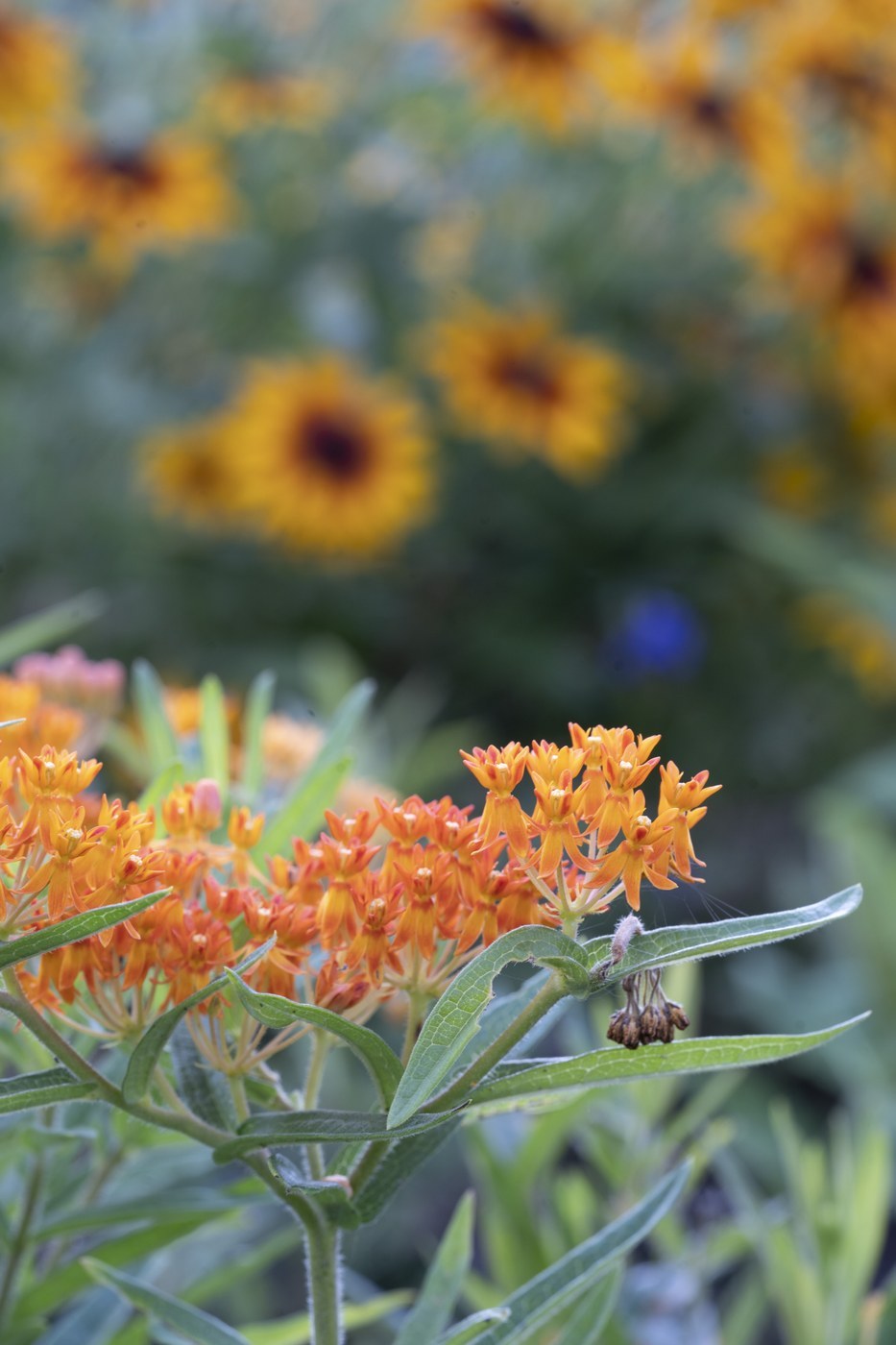
Butterfly Weed (Asclepias tuberosa) is a tough, clump-forming native milkweed prized for its brilliant flat-topped clusters of orange (sometimes yellow) summer flowers. Deep-rooted and drought-tolerant, it is one of the easiest perennials for a hot, sunny spot once established.
Light
Give Butterfly Weed full sun, at least 6 and ideally 8 or more hours of direct light daily. Abundant sun produces the strongest stems, the most flowers, and the deepest color. In too much shade the plant grows floppy and blooms sparsely.
Water
Water regularly the first season to help the deep taproot establish, then let it fend for itself. Established plants are markedly drought-tolerant and prefer soil on the dry side; they dislike frequent watering and wet feet. Only water during prolonged drought once the plant is settled in.
Soil & Potting
This species thrives in lean, sandy, or gravelly soil with sharp drainage. It actually flowers best in poor soil and resents rich, heavy, or wet ground, which promotes rot of the fleshy taproot. Do not over-amend; skip heavy composting. Because of its long taproot, it establishes best planted directly in the ground rather than fussed with in containers, and it dislikes being moved once settled.
Humidity & Temperature
Butterfly Weed is a hardy prairie native that tolerates a wide range of temperatures and thrives in hot summers. It is cold-hardy across much of the temperate zone (roughly USDA zones 3-9) and needs no special humidity. It withers to the ground in winter and returns from the crown in late spring, often emerging later than neighboring plants, so mark its spot.
Feeding
Feeding is largely unnecessary and can be counterproductive. Rich feeding produces lush, weak growth at the expense of flowers. At most, apply a thin layer of compost in spring on very poor soils; otherwise leave it unfed.
Propagation
Propagate from seed, which is the easiest method: the seed benefits from a period of cold, moist stratification over winter or in the refrigerator before sowing. Fresh seed sown in fall germinates the following spring. Division is difficult and often fatal because of the brittle taproot, so it is better to take root cuttings in early spring or simply start new plants from seed.
Repotting / Pruning
Because of the sensitive taproot, avoid transplanting established clumps. Little pruning is needed; you can deadhead spent flowers to tidy the plant and sometimes encourage a lighter second flush, though many gardeners leave the decorative seed pods to develop. Cut old stems back to the ground in late fall or early spring.
Common Problems & Pests
Aphids, particularly yellow-orange oleander aphids, commonly cluster on stems and buds; blast them off with water or wipe them away. The plant is otherwise robust. The most common failures come from overwatering or heavy, poorly drained soil causing crown and root rot. Its late spring emergence can fool gardeners into thinking it has died, so be patient before disturbing the spot.
Seasonal Care Tips
Sow or plant in spring or fall. Water new plants through their first summer, then rely on rainfall. Enjoy the long summer bloom, leaving some seed pods to ripen if you want self-sown seedlings. Cut back in late fall or leave stems for winter interest, and remember the crown wakes late in spring.
Frequently asked questions
Why hasn't my Butterfly Weed come up in spring?
This species is notorious for emerging late, often weeks after other perennials. As long as the crown was healthy in fall, be patient into late spring before assuming it has died, and mark its location so you don't dig it up.
Can I grow Butterfly Weed in a container?
It is possible but tricky because of the long, brittle taproot that dislikes disturbance. Use a deep pot with very well-drained, lean soil, water sparingly, and avoid repotting. In-ground planting is far more reliable.
Do I need to fertilize Butterfly Weed?
No. It flowers best in lean soil, and rich feeding produces floppy, leafy growth with fewer blooms. Skip fertilizer and only add a light topdressing of compost on very poor soils if needed.
There are lots of orange aphids on my plant, what should I do?
Oleander aphids commonly gather on Butterfly Weed stems and buds. Dislodge them with a strong spray of water or wipe them off by hand. The plant tolerates them well and usually shrugs off minor infestations.