
How to Care for Butternut Squash
Grow Cucurbita moschata, a vigorous warm-season vine, in full sun with rich soil and deep, regular watering for a strong sprawling crop.
Read the full Butternut Squash encyclopedia entry →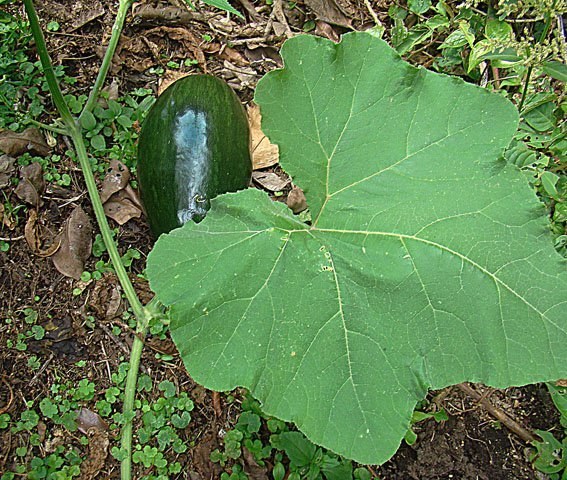
Butternut squash (Cucurbita moschata) is a vigorous, warm-season trailing vine grown for its long summer of lush growth and heavy sprawling stems. Easy to grow given warmth, sun, and rich soil, it rewards a little space with a bold, productive plant.
Light
Requires full sun, at least six to eight hours daily. Abundant light drives strong vine growth and flowering. In shade the plant becomes leggy, flowers poorly, and is far more prone to mildew.
Water
Water deeply and regularly, keeping the soil evenly moist but never waterlogged. Squash have large leaves and lose a lot of moisture, so consistent watering is key, especially during hot weather and active growth. Water at the base to keep foliage dry and reduce disease; a thick mulch conserves moisture.
Soil & Potting
Wants deep, fertile, well-drained soil rich in organic matter, with a near-neutral pH. Dig in plenty of well-rotted compost before planting. Squash are hungry, heavy-feeding plants; a raised mound or hill warms the root zone and improves drainage. Give each plant ample room to sprawl or train onto a sturdy trellis.
Humidity & Temperature
A true warm-season crop that resents cold. Sow or plant out only after all danger of frost has passed and the soil has warmed. It grows fastest in warm, sunny conditions and stalls when nights turn cold. Good air circulation helps limit fungal problems in humid weather.
Feeding
Feed generously. Enrich the soil before planting and side-dress with compost or a balanced fertilizer as vines lengthen. Once flowering begins, a feed higher in potassium supports flower and fruit set. Avoid overdoing nitrogen, which produces leaves at the expense of flowers.
Propagation
Grown from seed. Sow indoors in warmth a few weeks before the last frost, or directly outdoors once soil is warm. Plant seeds on their edge about an inch deep. Seedlings grow quickly; harden off indoor-raised plants before transplanting.
Repotting / Pruning
Usually grown in the ground rather than pots. Pinch or trim the growing tips of overly long vines to keep the plant manageable and channel energy into fruiting. Removing a few of the oldest leaves late in the season improves air flow and light penetration.
Common Problems & Pests
Powdery mildew is the most common issue, appearing as white patches on leaves in humid or crowded conditions; improve spacing and airflow. Squash vine borers, cucumber beetles, aphids, and squash bugs can attack; inspect regularly and act early. Poor fruit set often means too few pollinators, so plant flowers nearby to attract them, or hand-pollinate.
Seasonal Care Tips
Spring: start seeds in warmth and prepare rich, well-drained beds. Early summer: transplant after frost, mulch, and water deeply. Midsummer: feed, watch for mildew and pests, and train or pinch vines. Late season: reduce watering as fruits mature and let the plant wind down before cold weather.
Frequently asked questions
How much sun does butternut squash need?
Full sun, at least six to eight hours a day. Less light causes leggy vines, poor flowering, and more mildew.
How often should I water butternut squash?
Deeply and regularly to keep soil evenly moist. The big leaves lose lots of water, so consistency matters most in hot weather.
When can I plant butternut squash outdoors?
Only after all frost danger has passed and the soil has warmed. It is a warm-season plant that stalls in cold conditions.
Why is my squash flowering but not setting fruit?
Usually a lack of pollinators. Grow nectar flowers nearby to draw them in, or hand-pollinate the female flowers.
What causes white patches on squash leaves?
Powdery mildew, common in humid or crowded plantings. Improve spacing and airflow and water at the base to keep foliage dry.