
How to Care for Butternut
Grow the graceful Juglans cinerea shade tree with full sun, deep moist soil, and disease-aware siting in this complete butternut care guide.
Read the full Butternut encyclopedia entry →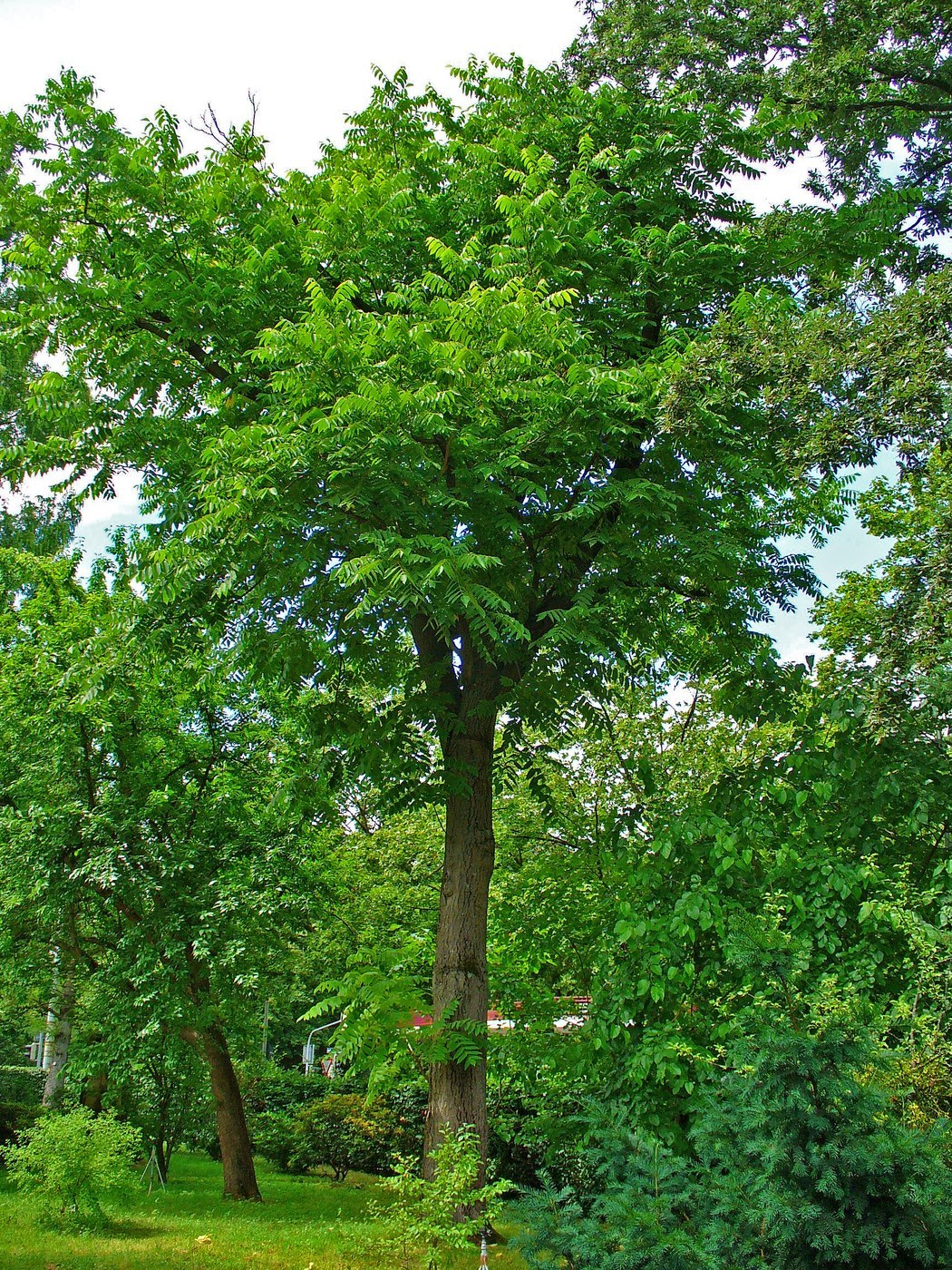
Butternut (Juglans cinerea) is a medium-sized deciduous tree in the walnut family, valued as an ornamental shade tree for its broad, spreading crown and handsome compound leaves. It grows moderately fast when young and prefers cool, moist, fertile ground with room to spread.
Light
Butternut needs full sun to develop a strong, well-shaped crown. It is not shade tolerant, especially as it matures, so plant it in an open position away from taller trees. Young saplings accept a little side shade but reach for the light.
Water
Provide moderate, consistent moisture in well-drained soil. Butternut favours moist bottomland conditions but will not tolerate standing water. Water young trees deeply and regularly through their first few years to establish the root system, then rely mainly on rainfall, giving supplemental water during prolonged drought.
Soil & Potting
Grow butternut in deep, rich, moist but well-drained loam, ideally slightly alkaline to neutral. It performs poorly in compacted, dry, or waterlogged sites. Amend planting holes in poor ground with organic matter, and give the tap-rooted seedling a deep site rather than a shallow container long term.
Humidity & Temperature
Butternut is a cold-hardy temperate tree well suited to cool climates with distinct seasons. It withstands hard winters and does not require any special humidity. It is less tolerant of prolonged heat and struggles in hot, dry southern conditions.
Feeding
Established butternuts in decent soil need little feeding. For young trees in poorer ground, a balanced slow-release fertilizer or a top dressing of compost in early spring supports steady growth. Avoid heavy nitrogen, which encourages weak, disease-prone growth.
Propagation
Butternut is grown from seed, which needs a period of cold, moist stratification over winter to break dormancy before spring sowing. Sow the nuts in a deep pot or directly in place, as the developing taproot resents transplanting. Selected forms are sometimes grafted onto seedling rootstock.
Repotting / Pruning
Because of its deep taproot, move butternut to its permanent site while young and small. Prune in late winter or during dormancy to remove dead, crossing, or damaged wood and to establish a strong central form; avoid heavy pruning in spring when sap flows freely.
Common Problems & Pests
The most serious threat is butternut canker, a fungal disease that girdles branches and trunks with sunken, dark, oozing cankers and has devastated wild populations; choose planting stock showing resistance and remove badly cankered wood. Watch also for leaf-feeding caterpillars, aphids, and general walnut pests, plus leaf spot in wet seasons. Good airflow and sunny, well-drained sites reduce disease pressure.
Seasonal Care Tips
Butternut leafs out relatively late in spring and drops its leaves early in autumn. Do the main planting in spring or autumn while dormant or just breaking bud, prune in the dormant season, and inspect the bark yearly for early signs of canker so affected wood can be removed promptly. Mulch the root zone to keep it cool and moist through summer.
Frequently asked questions
How much space does a butternut tree need?
Give it a full-sun, open site with plenty of room, since it develops a broad spreading crown. Keep it clear of taller trees that would shade it and away from waterlogged low spots.
What is butternut canker and how do I manage it?
It is a serious fungal disease that forms sunken, dark, oozing cankers girdling branches and trunk. Plant resistant stock, keep the tree in a sunny well-drained spot with good airflow, and prune out cankered wood promptly.
Can I transplant an established butternut sapling?
It is difficult because of the deep taproot, which resents disturbance. Move trees while very young and small, or start from stratified seed sown directly in the permanent site.
How often should I water a young butternut?
Water deeply and regularly through the first few years to establish strong roots, keeping the soil moist but never waterlogged. Once established, it relies mainly on rainfall except during extended drought.