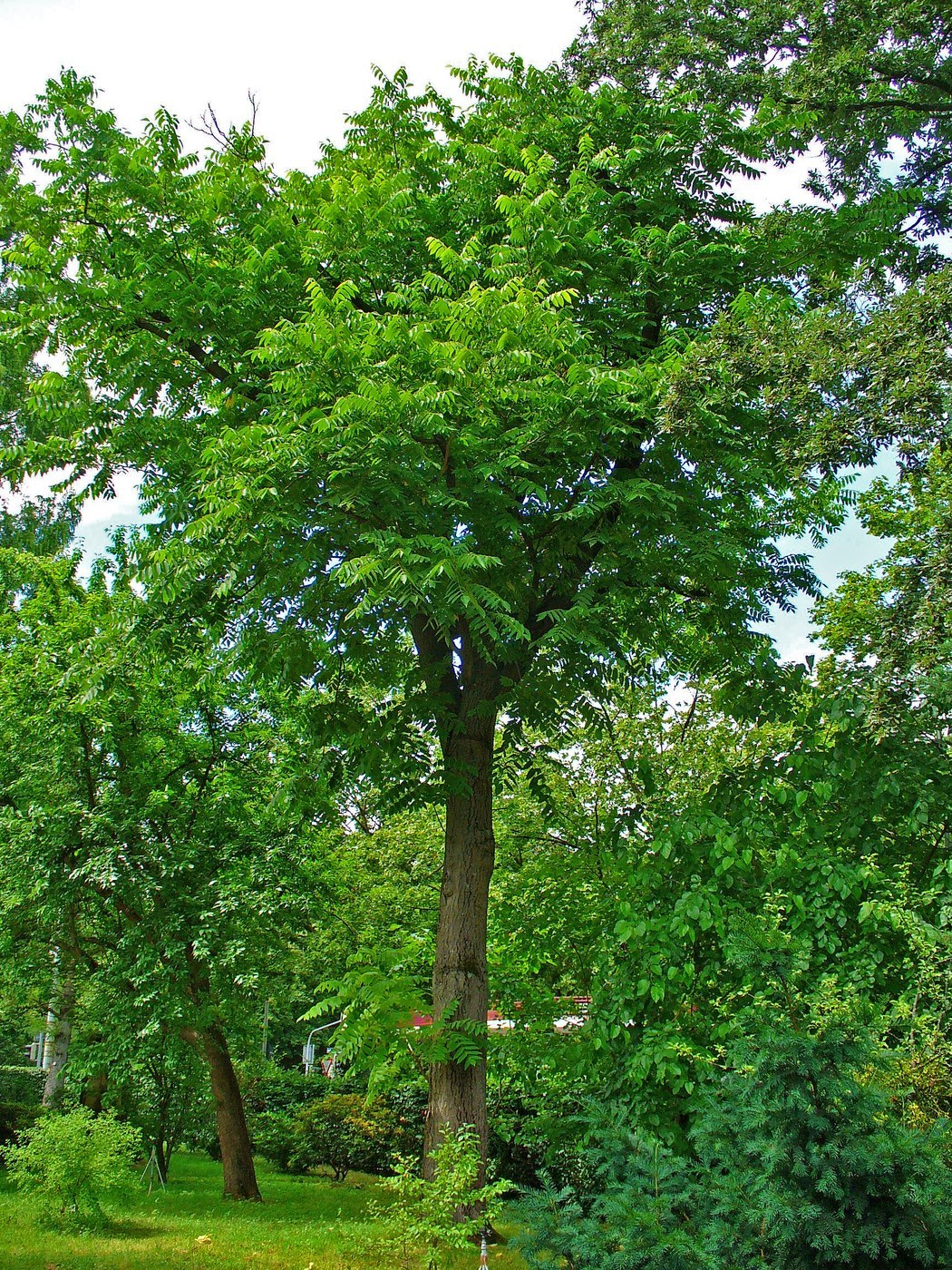
Butternut
Juglans cinerea
Butternut is a medium-sized North American walnut relative with elongated, sticky nuts and a pale, lightweight wood. Wild populations have been devastated by butternut canker disease.
- Light
- Full sun
- Water
- Moderate; prefers moist, well-drained soil
- Difficulty
- Moderate
Got a plant like this?
Identify any plant from a photo, free.
Overview
Butternut (Juglans cinerea) is a deciduous tree in the walnut family, native to eastern North America. It is closely related to black walnut but is smaller, shorter-lived, and bears more elongated, sticky nuts.
The tree earns its "white walnut" name from its pale, lightweight wood.
Unfortunately, butternut is now in serious decline across its range due to butternut canker, a fungal disease (Ophiognomonia clavigignenti-juglandacearum) that has killed a large share of mature trees.
How to identify it
- Leaves: Pinnately compound, 12–24 in long, with 11–17 lance-shaped, finely toothed leaflets; the terminal leaflet is usually present (unlike many black walnuts).
- Bark: Light gray with smooth, flat-topped ridges separated by darker furrows, giving a distinctive ash-gray "woven" look.
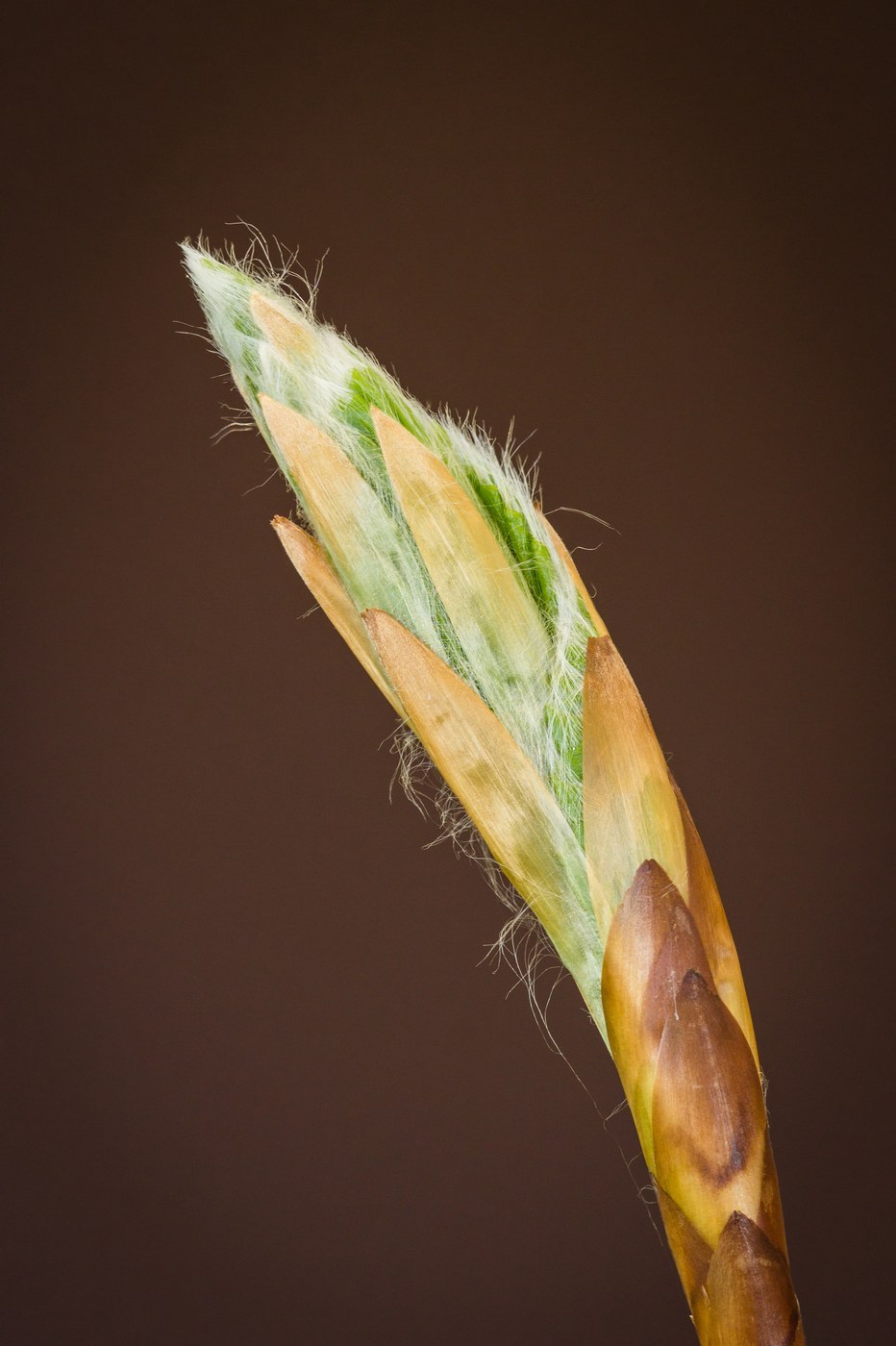
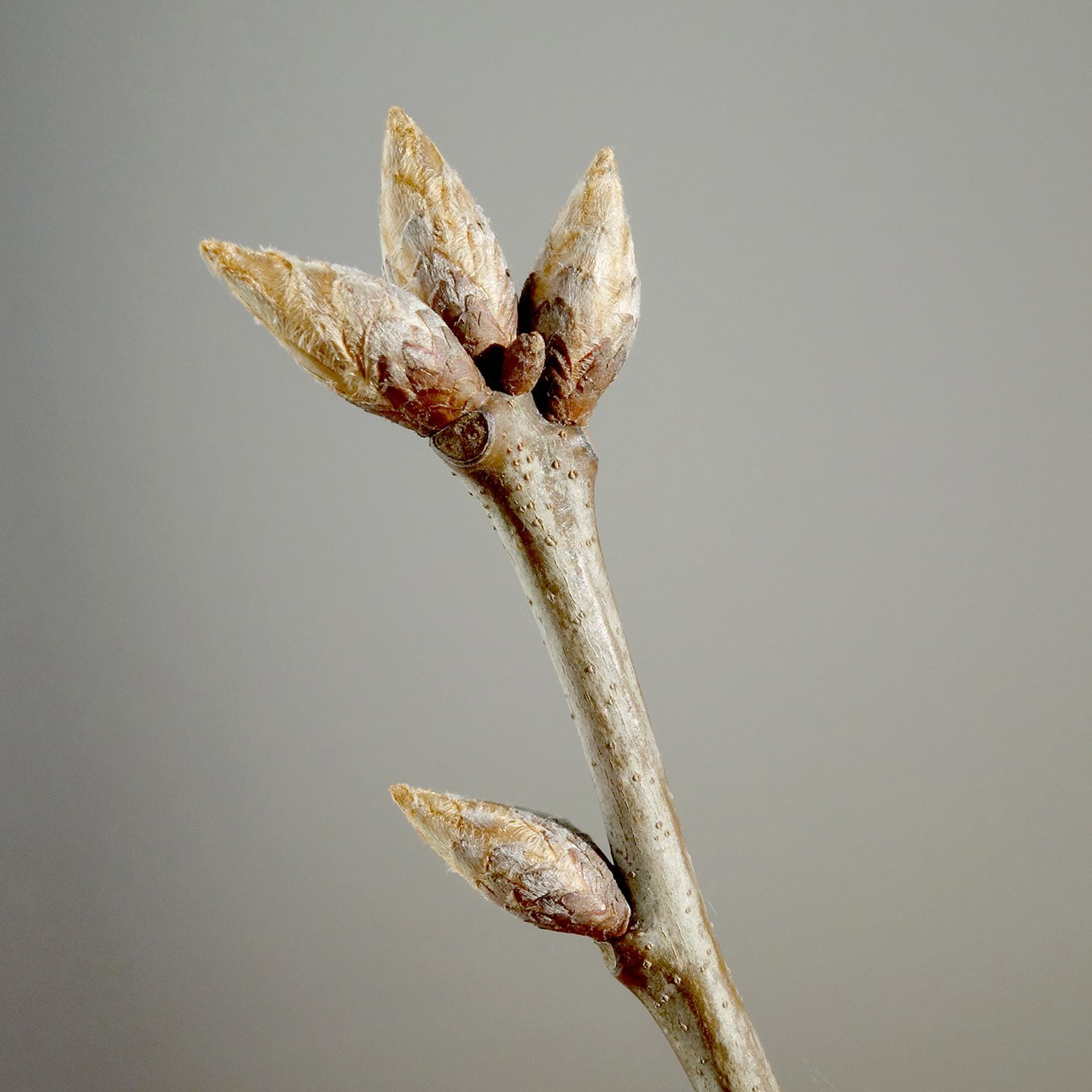
- Twigs: Have a chambered, dark-brown pith and a velvety, fuzzy band above the leaf scar.
- Fruit: Egg-shaped to oblong nuts borne in sticky, hairy green husks; the deeply ridged, sharp-edged shell encloses the kernel.
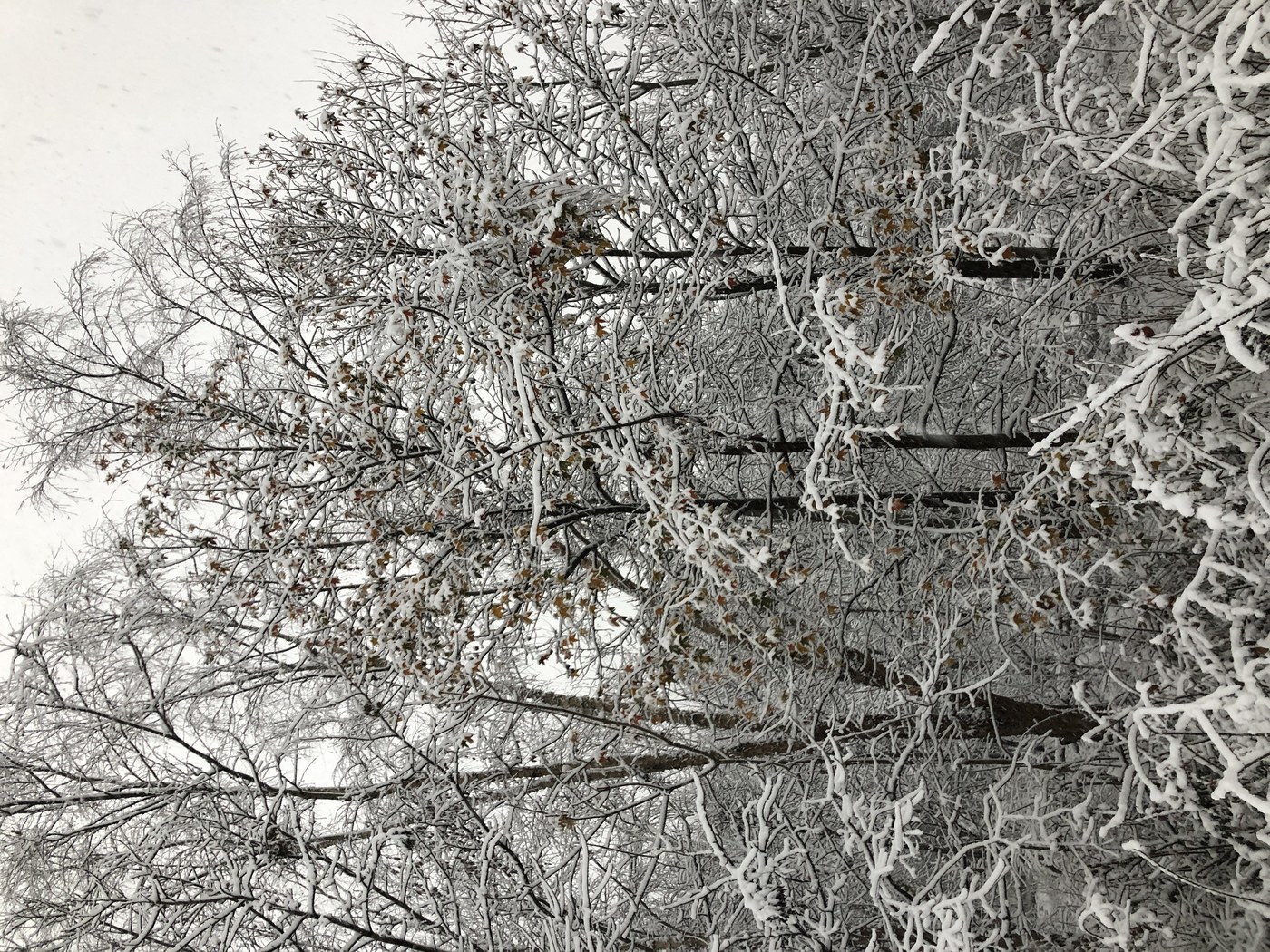
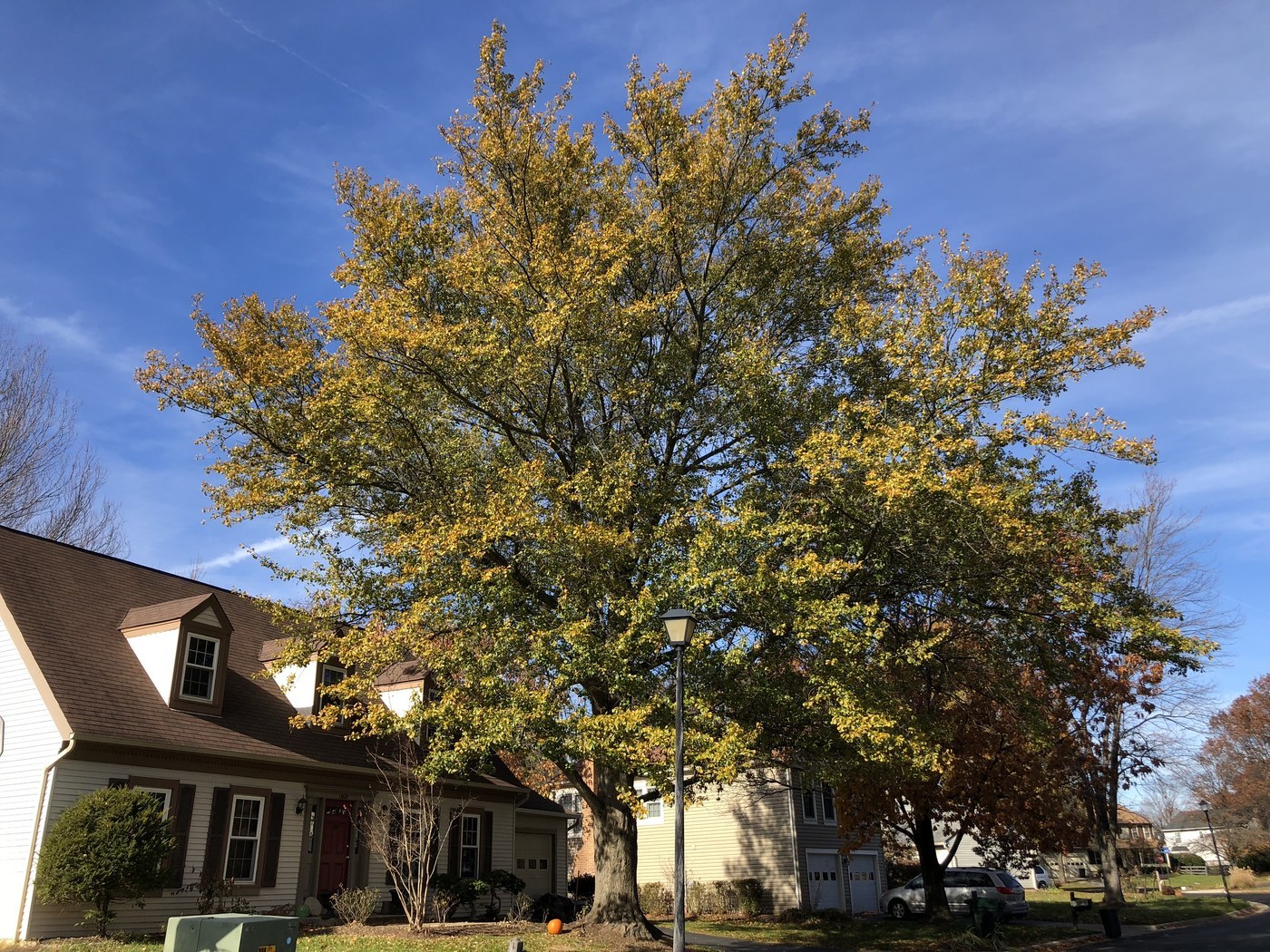
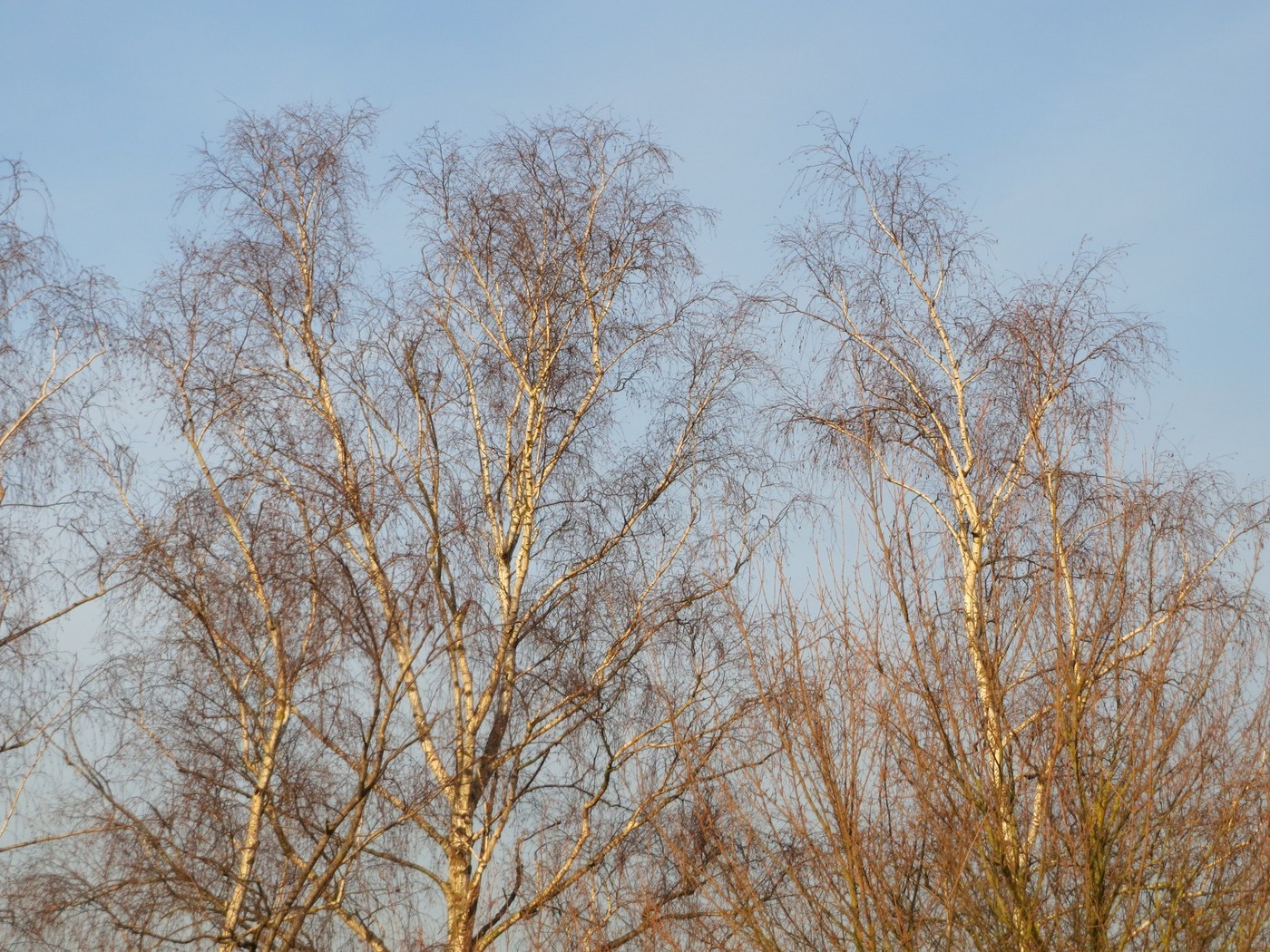
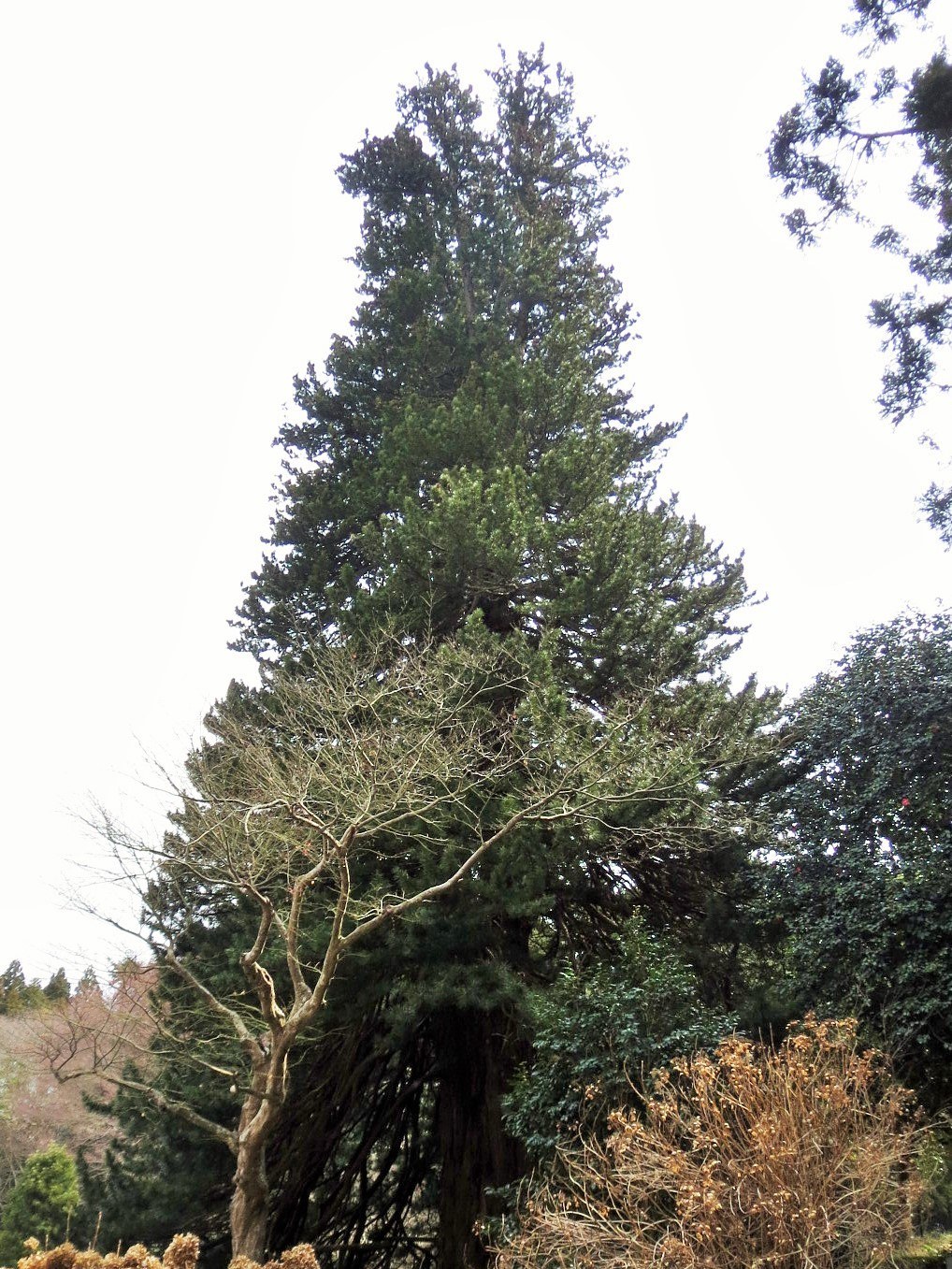
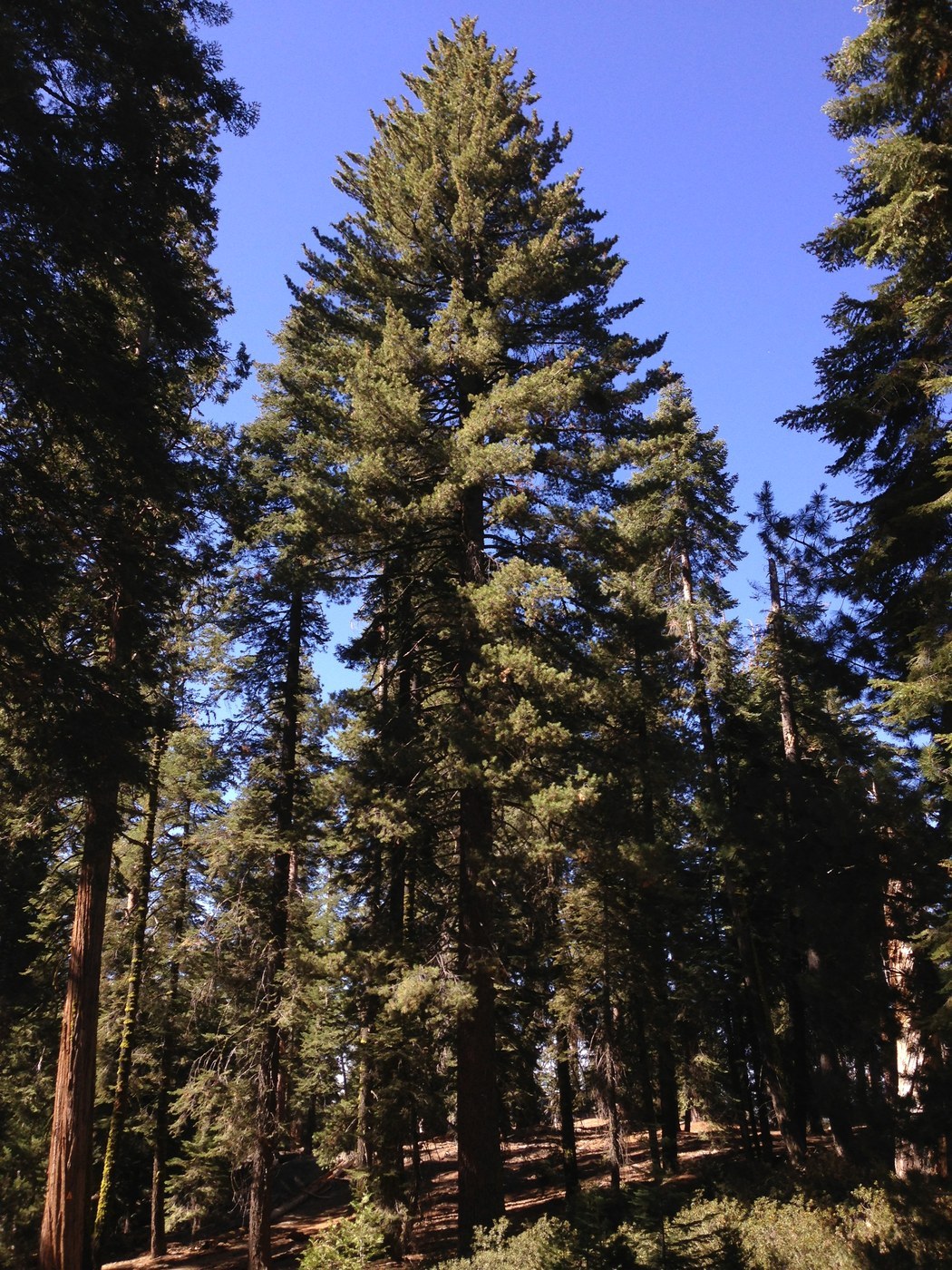
- Size & habit: Typically 40–60 ft tall with a broad, open, spreading crown.
Care & growing
Butternut needs full sun and does best in deep, moist, well-drained loam, though it tolerates rocky and limestone soils.
- Water: Keep young trees evenly moist; established trees are moderately drought tolerant.
- Soil: Slightly acidic to neutral, fertile soil; dislikes compacted or waterlogged ground.
- Temperature: Very cold-hardy (USDA zones 3–7).
- Feeding: Rarely needed in decent soil; a balanced fertilizer aids young trees.
- Propagation: Grown from seed (stratify nuts over winter); disease-resistant selections are sometimes grafted. Note the roots and leaves release juglone, which inhibits the growth of nearby sensitive plants.
Habitat & origin
Native to eastern North America, from New Brunswick and Quebec west to Minnesota and south through the Appalachians to Georgia and Arkansas.
It grows naturally in rich, moist woods, along streambanks, and on well-drained slopes, usually as a scattered tree rather than in dense stands. Because of butternut canker, healthy wild specimens are increasingly rare, and the species is considered threatened or endangered in parts of its range.
Frequently asked questions
How is butternut different from black walnut?
Butternut is smaller, has lighter bark and wood, and more elongated sticky nuts. Its twigs have a fuzzy band above the leaf scar, which black walnut lacks.
Why are butternut trees disappearing?
A fungal disease called butternut canker has killed the majority of mature trees across the species' range, making healthy specimens increasingly uncommon.
Can I plant other plants near a butternut?
Butternut releases juglone, a compound that inhibits the growth of many plants, though it produces less than black walnut. Avoid planting juglone-sensitive species like rhododendrons nearby.
How tall does a butternut grow?
It typically reaches 40–60 ft with a broad, open, spreading crown.
Butternut guides
In-depth guides for identifying, growing, and caring for Butternut.
How to Care for Butternut
Grow the graceful Juglans cinerea shade tree with full sun, deep moist soil, and disease-aware siting in this complete butternut care guide.
Butternut Identification Guide
How to identify Butternut (Juglans cinerea), a native eastern walnut relative, by its compound leaves, sticky-hairy twigs, and football-shaped sticky nuts.