
How to Care for Cabbage
Grow full, tight cabbage heads with steady moisture, rich soil, and cool-season timing in a sunny bed.
Read the full Cabbage encyclopedia entry →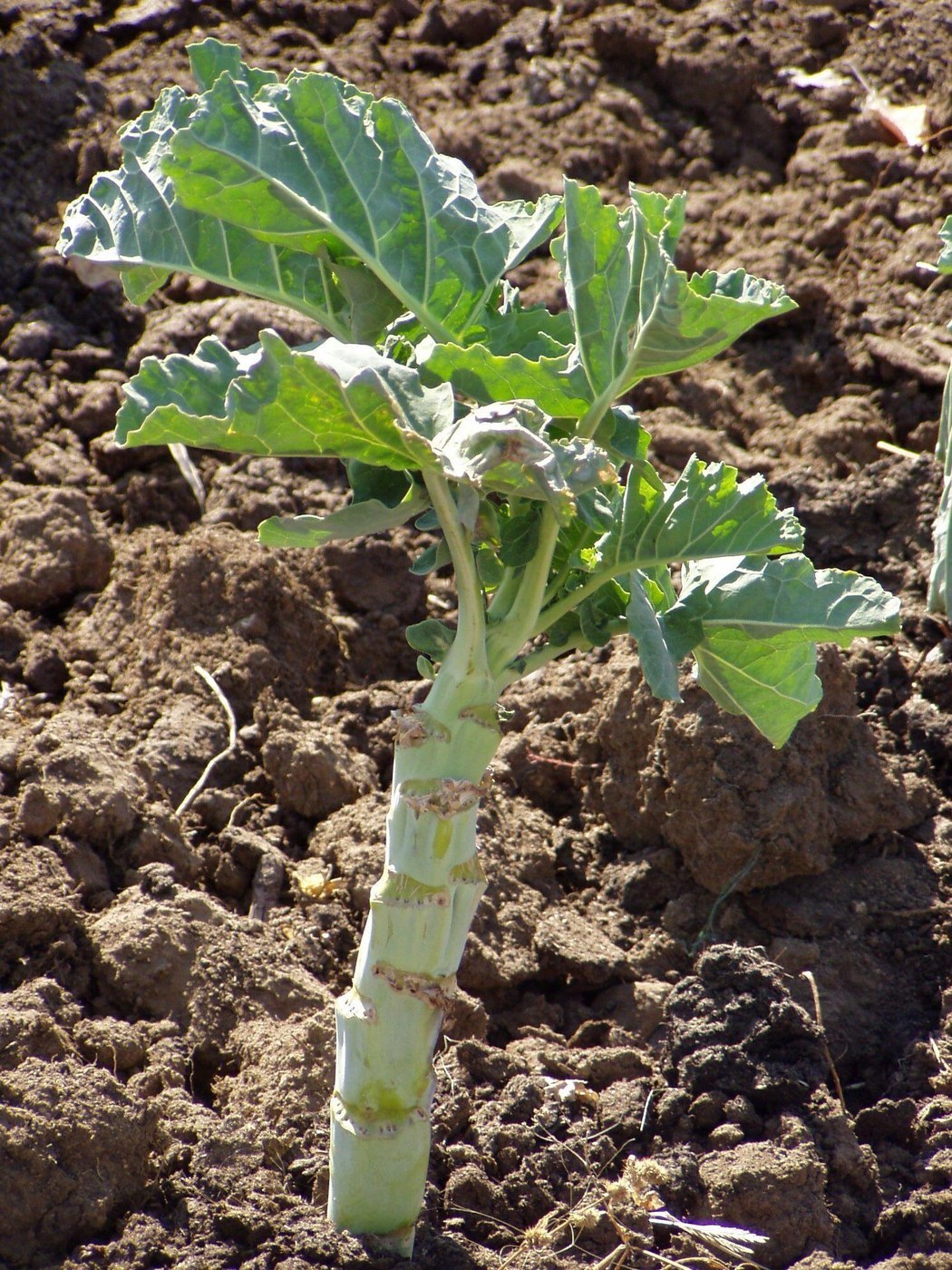
Cabbage (Brassica oleracea) is a cool-season biennial grown as an annual for its dense, leafy rosette. It rewards steady care with firm, well-formed heads, but it demands consistent moisture and cool temperatures to size up properly.
Light
Give cabbage full sun, at least 6 hours of direct light daily. Ample light drives the vigorous leaf growth needed to build a solid head. In warm climates a little afternoon shade can slow bolting during heat spells, but too much shade produces loose, leggy plants that never firm up.
Water
Cabbage needs consistent, even moisture throughout its growth. Aim for roughly 1 to 1.5 inches of water per week, keeping the root zone evenly damp but never waterlogged. Uneven watering, especially a heavy soak after a dry stretch, causes heads to split. Water at the base to keep foliage dry and mulch to hold moisture steady.
Soil & Potting
Plant in fertile, well-drained soil rich in organic matter, with a near-neutral to slightly alkaline pH around 6.5 to 7.5. Work in plenty of compost before planting. Cabbage is a heavy feeder, so build a deep, loose bed. For containers, choose a pot at least 10 to 12 inches deep with drainage holes and a rich, moisture-retentive potting mix.
Humidity & Temperature
This is a cool-weather crop that thrives between 55 and 70F. It tolerates light frost, which can even sweeten and firm the leaves, but prolonged heat above 80F triggers bolting and loose heads. Time plantings for spring and fall in most regions, and in mild-winter areas grow it through the cool months.
Feeding
Because cabbage grows fast and demands nitrogen, feed regularly. Start with compost-rich soil, then side-dress with a balanced or nitrogen-forward fertilizer about three weeks after transplanting, and again as heads begin to form. Steady feeding keeps outer leaves large and productive so the head can bulk up.
Propagation
Cabbage is grown from seed. Start seeds indoors 6 to 8 weeks before the last frost for spring crops, or sow midsummer for fall crops. Sow about 1/4 inch deep, keep warm and moist for germination, then transplant sturdy seedlings out, spacing them 12 to 24 inches apart depending on variety.
Repotting / Pruning
Cabbage generally is not repotted; it grows to harvest in one season. Remove yellowing or damaged lower leaves to improve airflow. If a head threatens to split during a wet spell, giving the plant a quarter-turn twist to break some roots can slow water uptake and buy time.
Common Problems & Pests
Watch for cabbage worms and loopers (green caterpillars that chew leaves), aphids clustering on new growth, and flea beetles pitting seedlings. Handpick caterpillars and use floating row covers as a barrier. Clubroot and black rot are soil diseases best avoided by rotating brassicas to a fresh bed each year and keeping foliage dry. Splitting heads signal irregular watering.
Seasonal Care Tips
Grow cabbage in the cool bookends of the year. Set spring transplants out a few weeks before the last frost, and start fall crops in mid to late summer so they mature in cool weather. Mulch to keep roots cool and moisture even, and protect from unseasonable heat with shade cloth if needed.
Frequently asked questions
Why did my cabbage head split?
Splitting almost always comes from uneven watering, especially a big drink after a dry period, which makes the head take up water faster than it can hold. Keep moisture steady with mulch and regular watering, and harvest heads promptly once firm.
Why won't my cabbage form a tight head?
Loose heads usually mean too little sun, too little nitrogen, or heat. Give full sun, feed regularly, and time the crop for cool weather so the plant can concentrate growth into a firm head instead of bolting.
Can I grow cabbage in a container?
Yes. Use a pot at least 10 to 12 inches deep with drainage, a rich moisture-retentive mix, and one plant per pot. Water and feed a bit more often than in the ground since containers dry out and deplete faster.
When should I plant cabbage?
Cabbage is a cool-season crop. Set spring transplants out a few weeks before the last frost, or start a fall crop in mid to late summer so heads mature during cool weather and avoid heat-triggered bolting.