How to Care for Calamondin
A compact ornamental citrus, Calamondin dazzles with fragrant blooms and bright fruit given sun, warmth and steady moisture.
Read the full Calamondin encyclopedia entry →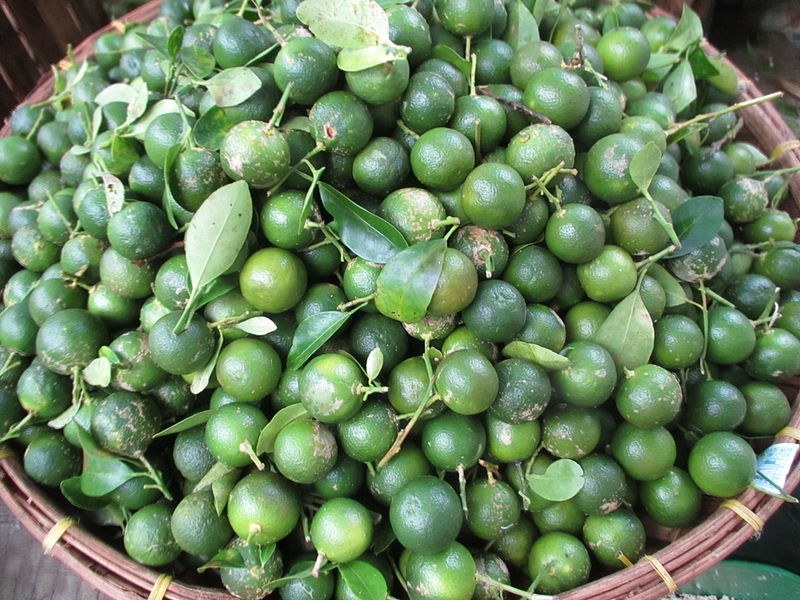
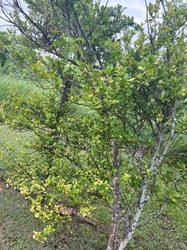
Calamondin (x Citrofortunella microcarpa) is a compact, bushy ornamental citrus much loved as a container and conservatory plant. It flowers freely with fragrant white blossoms and carries small, brightly colored round fruit almost year-round, offering glossy evergreen foliage and decorative appeal in a manageable size.
Light
Calamondin needs full sun to very bright light to flower and fruit well - aim for at least 6 hours of direct sun daily. Indoors, place it at your sunniest south-facing window and consider a grow light in dim winter months. Too little light leads to leggy growth, leaf drop and few blooms. In summer it benefits from being moved outdoors to a sheltered, sunny spot.
Water
Keep the soil evenly moist, letting only the top inch dry out before watering again. Citrus dislike both drought and waterlogging: erratic watering triggers leaf and fruit drop, while constantly saturated roots invite rot. Water thoroughly until it runs from the drainage holes, then let the surface dry slightly. Reduce watering in winter when growth slows.
Soil & Potting
Use a free-draining, slightly acidic potting mix - a citrus-specific blend or a general mix amended with grit and some bark works well. The container must have excellent drainage. Terracotta pots suit citrus by allowing the rootball to breathe. Never let the pot stand in a saucer of water, and repot into a snug rather than oversized container.
Humidity & Temperature
Calamondin enjoys warmth and moderate humidity. Keep it in the range of about 15-30C and protect it from cold drafts and frost, moving it indoors before temperatures drop in autumn. In dry heated rooms, raise humidity with a pebble tray or occasional misting to reduce stress and deter spider mites. Good airflow helps keep the plant healthy.
Feeding
As a hungry plant that flowers and fruits heavily, Calamondin needs regular feeding through the growing season with a dedicated citrus fertilizer that includes trace elements such as iron, magnesium and manganese. Feed roughly every 2-4 weeks from spring through early autumn, then cut back in winter. Regular feeding prevents the yellowing that citrus are prone to.
Propagation
Propagate from semi-ripe stem cuttings taken in summer, rooted in a moist, gritty mix with warmth and humidity - patience is required as citrus can be slow to root. Seed is possible but slow and less reliable for matching the parent. Air layering is another option for producing a sizeable new plant.
Repotting / Pruning
Repot every 2-3 years in spring, moving up one pot size and refreshing the top layer of compost in the intervening years. Prune lightly in spring to shape the bushy canopy, remove crossing or weak stems, and encourage branching. Calamondin tolerates pruning well and can be trained into a neat standard or rounded form.
Common Problems & Pests
Yellowing leaves are the classic citrus complaint, usually from nutrient deficiency, overwatering or cold roots - correct feeding and watering first. Leaf and fruit drop follow sudden changes in light, temperature or moisture, so keep conditions steady. Watch closely for spider mites, scale, mealybugs and aphids, especially indoors in winter; inspect regularly and treat early with insecticidal soap or horticultural oil.
Seasonal Care Tips
In spring and summer, give maximum light, steady moisture and regular citrus feed, moving the plant outdoors once frost has passed to boost flowering and fruiting. In autumn, bring it back indoors before cold nights arrive, easing it into lower light gradually to limit leaf drop. Over winter keep it cool and bright, water sparingly and stop feeding until growth resumes in spring.
Frequently asked questions
Why are my Calamondin leaves turning yellow?
Yellowing is common in citrus and usually points to a nutrient shortfall, overwatering or cold roots. Feed with a citrus fertilizer containing trace elements, check that drainage is good, and keep the rootball warm.
Why is my Calamondin dropping leaves and fruit?
Sudden drops in light, temperature or moisture stress the plant into shedding. Keep watering steady, avoid cold drafts, and move it between locations gradually so it can acclimate.
Can I keep Calamondin indoors year-round?
Yes, given a very bright, sunny window and steady care. Many growers move it outdoors for the warm months to boost flowering and fruiting, then bring it back in before frost.
How often should I feed Calamondin?
Roughly every 2-4 weeks during the spring-to-autumn growing season with a citrus fertilizer, then reduce or stop over winter when growth slows.
Calamondin identified by the community
Recent Calamondin specimens identified with Plant Identifier.