Calamondin
× Citrofortunella microcarpa
Calamondin is a small ornamental citrus hybrid bearing abundant tiny orange fruit. Popular as a potted houseplant, it flowers and fruits nearly year-round.
- Light
- Full sun to bright light
- Water
- Keep evenly moist; let top inch dry
- Difficulty
- Easy
Got a plant like this?
Identify any plant from a photo, free.
Overview
Calamondin (also widely called calamansi) is a hybrid between a kumquat and a mandarin, producing a compact, bushy citrus tree that is exceptionally productive for its size. It is one of the most popular ornamental citrus plants in Southeast Asia.
Unlike most citrus, calamondin is comparatively cold-tolerant, fairly forgiving, and will set fruit even as a small indoor specimen.
It is grown as a flowering, fruiting houseplant in cooler parts of the world and as a dooryard ornamental in the tropics.
How to identify it
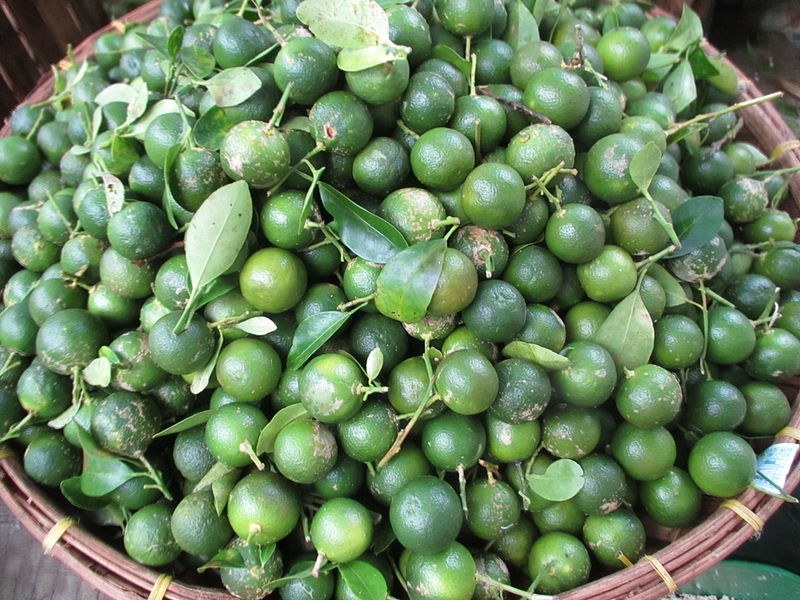
- Fruit: Very small (1–1.5 in), round, with a thin orange rind, a juicy interior, and a few seeds
- Leaves: Small, glossy, dark green, broadly oval, aromatic when crushed
- Flowers: Small, white, very fragrant, often present alongside fruit
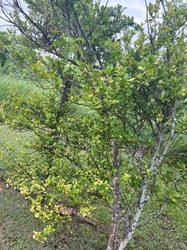
- Size: Usually 3–6 ft in containers; up to 10–20 ft in ground in the tropics
- Habit: Dense, twiggy, rounded shrub-like tree, nearly thornless
Care & growing
Light: Full sun outdoors or the brightest possible window indoors; at least 6 hours of direct light keeps it fruiting.
Water: Keep the soil evenly moist; let the top inch dry before rewatering. Avoid both drought stress and soggy roots.
Soil: Light, well-draining, slightly acidic potting mix; citrus or cactus blends work well.
Temperature: Hardy to about USDA zone 9; tolerates brief cool spells but protect from frost. Ideal range 60–85°F.
Feeding: Feed regularly in spring and summer with a citrus fertilizer containing micronutrients.
Propagation: Commonly propagated by cuttings, air-layering, or grafting; seeds grow readily but are slower to fruit.
Habitat & origin
Calamondin originated as a natural hybrid in southern China and is now most strongly associated with the Philippines. It is widely cultivated across Southeast Asia, India, and southern China.
In temperate countries it is grown as a houseplant or conservatory specimen and is a favorite among beginning citrus growers because it tolerates container life and indoor conditions better than most citrus.
Frequently asked questions
Is calamondin the same as calamansi?
Yes, calamondin and calamansi are the same plant; calamansi is the Filipino name. Both refer to × Citrofortunella microcarpa.
Why is my calamondin dropping fruit or leaves?
Common causes are inconsistent watering, sudden temperature or light changes, or low humidity indoors. Stabilize conditions and avoid letting it dry out completely or sit in water.
Does calamondin need a second tree to fruit?
No. It is self-fertile and will set abundant fruit on its own, even indoors with enough light.
How big does a potted calamondin get?
In containers it usually stays 3–6 ft tall as a dense, twiggy, nearly thornless rounded tree; in tropical ground it can reach 10–20 ft.
Calamondin guides
In-depth guides for identifying, growing, and caring for Calamondin.
How to Care for Calamondin
A compact ornamental citrus, Calamondin dazzles with fragrant blooms and bright fruit given sun, warmth and steady moisture.
Calamondin Identification Guide
Identifying the calamondin, a small ornamental citrus, by its glossy leaves, fragrant white flowers, and abundant marble-sized orange fruit.
Calamondin identified by the community
Real specimens identified with Plant Identifier.