How to Care for Calathea Medallion
Grow Calathea Medallion (Goeppertia roseopicta), a striking tropical houseplant with rounded, painterly leaves that fold up at night.
Read the full Calathea Medallion encyclopedia entry →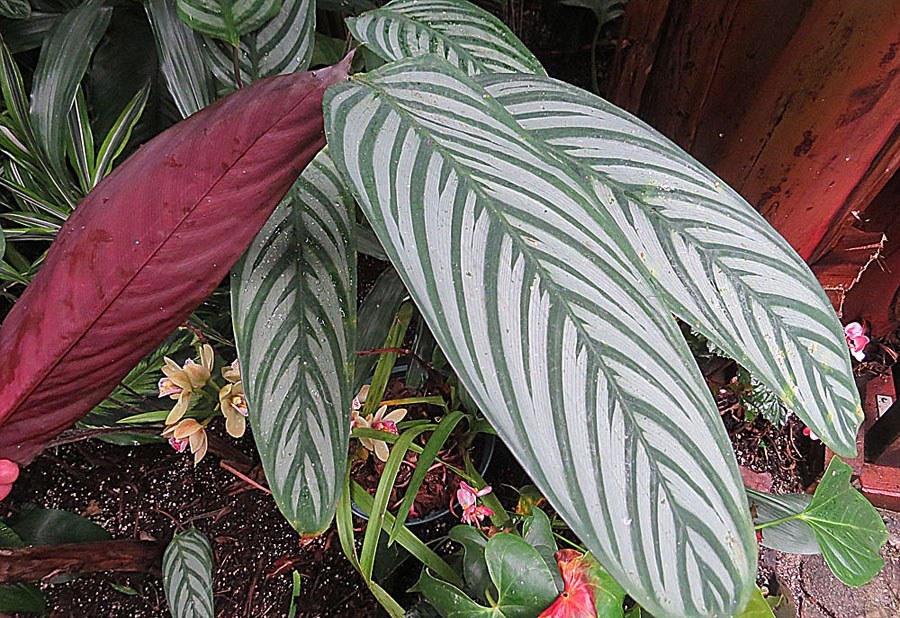
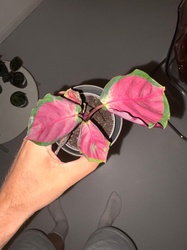
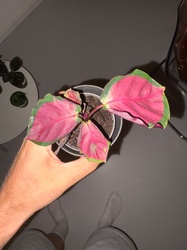
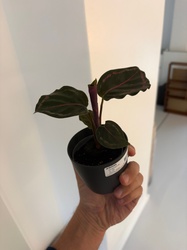
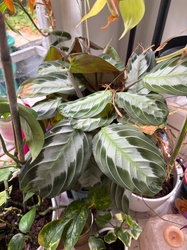
Calathea Medallion is a showy tropical foliage plant grown for its large, rounded leaves patterned with feathery brushstrokes of green and purple-red undersides. A prayer plant, it folds its leaves upward at night. It is a moderate-difficulty houseplant that rewards steady, attentive care.
Light
Provide bright, indirect light. An east-facing window or a spot a few feet back from a brighter window is ideal. Direct sun scorches the delicate leaves and bleaches the markings, while deep shade dulls the pattern and slows growth. Rotate the plant occasionally so it grows evenly, and keep it out of harsh midday rays.
Water
Keep the soil evenly moist but never soggy, watering when the top inch begins to dry. Calatheas are sensitive to the minerals and chemicals in tap water, which can brown the leaf edges; use filtered, distilled, or rainwater at room temperature where possible. Reduce watering in winter, but never let the root ball dry out completely, as this triggers crisping and curling.
Soil & Potting
Use a light, airy, moisture-retentive mix that still drains freely, such as a peat- or coir-based potting mix loosened with perlite and a little orchid bark. The blend should hold moisture without becoming waterlogged. Always plant in a pot with drainage holes, and choose a container only slightly larger than the root ball to avoid soil that stays wet.
Humidity & Temperature
High humidity is essential; aim for 60 percent or more. Dry indoor air is the most common cause of crispy brown leaf edges. Boost humidity with a pebble tray, a nearby humidifier, or grouping plants together. Keep temperatures warm and stable, between 65 and 80 F, and shield the plant from cold drafts, heating vents, and sudden temperature swings.
Feeding
Feed lightly during the growing season, roughly every four weeks in spring and summer, with a balanced liquid houseplant fertilizer diluted to half strength. Calatheas are sensitive to salt buildup, so flush the soil occasionally and stop feeding in autumn and winter when growth naturally slows.
Propagation
Calathea Medallion is propagated by division rather than cuttings. At repotting time, gently tease apart the root ball into clumps, each with several leaves and a healthy portion of roots, and pot them up separately. Keep divisions warm, humid, and evenly moist while they recover, as they resent disturbance and may sulk briefly.
Repotting / Pruning
Repot every one to two years in spring, moving up just one pot size in fresh mix. Handle the roots gently. Pruning is minimal: simply trim away yellowed, damaged, or fully browned leaves at the base with clean scissors. You can also snip off crispy leaf tips, following the leaf's natural shape, for a tidier look.
Common Problems & Pests
Brown, crispy leaf edges signal low humidity or mineral-heavy water; raise humidity and switch to filtered water. Curling or drooping leaves indicate underwatering or dry air, while yellowing often means overwatering. Fading patterns point to too little light. Spider mites are the main pest, thriving in dry air, so keep humidity high and inspect leaf undersides regularly; treat with insecticidal soap if needed.
Seasonal Care Tips
In spring and summer, keep the plant in active growth with steady moisture, regular feeding, and warm, humid air, and repot or divide if needed. In autumn and winter, reduce watering slightly and stop feeding, but maintain warmth and humidity, as indoor heating dries the air and is the season this plant struggles most. Keep it well away from cold windowpanes and radiators.
Frequently asked questions
Why are my Calathea Medallion's leaf edges turning brown and crispy?
This is almost always low humidity or a reaction to minerals and chlorine in tap water. Raise humidity above 60 percent with a humidifier or pebble tray, and switch to filtered, distilled, or rainwater.
Why do the leaves curl up?
Curling usually signals that the plant is too dry, whether from underwatering or low humidity. Check that the soil stays evenly moist and increase humidity. Leaves also naturally fold upward at night, which is normal.
What water should I use for a Calathea?
Calatheas are sensitive to tap-water minerals and fluoride, which brown the leaves. Use filtered, distilled, or collected rainwater at room temperature for the best results.
How do I propagate Calathea Medallion?
Divide it at repotting time. Gently separate the root ball into clumps, each with several leaves and healthy roots, pot them separately, and keep them warm, humid, and evenly moist while they settle in.
Calathea Medallion identified by the community
Recent Calathea Medallion specimens identified with Plant Identifier.