How to Care for Calathea Triostar
Triostar (Stromanthe sanguinea) dazzles with pink, cream, and green variegated leaves; give it humidity, warmth, and even moisture.
Read the full Calathea Triostar encyclopedia entry →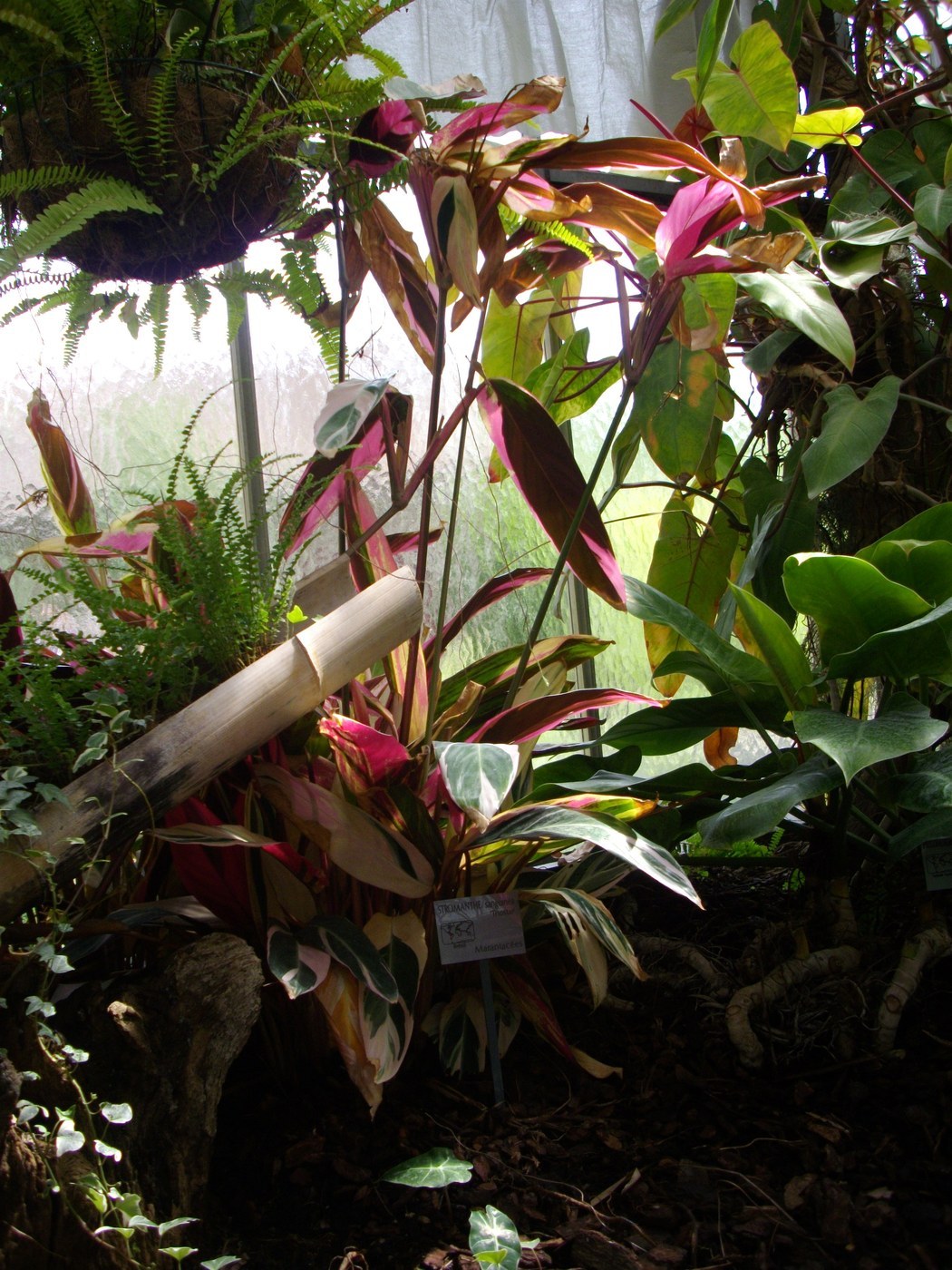
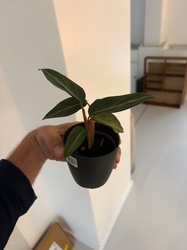
Stromanthe sanguinea 'Triostar', often sold as Calathea Triostar, is a striking member of the prayer-plant family with bold leaves splashed in green, cream, and pink, and deep magenta undersides. Its leaves fold up at night in a praying motion. It is a moderately demanding houseplant that rewards attention to humidity and moisture with vivid color.
Light
Give Triostar bright, indirect light to keep its variegation vibrant. Too little light causes the pink and cream tones to fade and growth to slow, while direct sun scorches the delicate leaves and bleaches their color. An east-facing window or a spot near, but not in, brighter light is ideal. Rotate the plant for even growth.
Water
Keep the soil evenly moist but never soggy. Water when the top inch begins to dry, and take care to avoid both drought, which crisps the leaf edges, and standing water, which rots the roots. This plant is sensitive to mineral buildup, so use filtered, distilled, or rainwater, or let tap water sit out overnight before using. Reduce watering slightly in winter.
Soil & Potting
Use a light, well-aerated, moisture-retentive mix, such as a peat- or coir-based potting soil amended with perlite and a little orchid bark. Good drainage is essential to prevent rot, so plant in a pot with drainage holes. The mix should hold moisture without staying waterlogged.
Humidity & Temperature
High humidity is the key to success. Triostar thrives above 60 percent humidity and shows brown, crispy leaf edges in dry air. Boost humidity with a humidifier, a pebble tray, or by grouping plants. Keep it warm, ideally between 65 and 80F, and protect it from cold drafts, sudden temperature swings, and heating or cooling vents.
Feeding
Feed with a balanced, diluted liquid fertilizer about once a month during spring and summer. Triostar is sensitive to fertilizer salts, so use a weak dilution and flush the soil periodically to prevent buildup. Stop feeding in autumn and winter when growth naturally slows.
Propagation
Propagate by division. When repotting a mature, clumping plant, gently separate the root ball into sections, each with several leaves and healthy roots, and pot them up individually. Keep divisions warm, humid, and lightly moist while they recover. Division is best done in spring during active growth.
Repotting / Pruning
Repot every one to two years in spring, moving up one pot size when roots fill the container; this is also the ideal time to divide. Triostar needs little pruning beyond removing damaged, yellowed, or crispy leaves at the base to keep it tidy and direct energy to healthy growth. Use clean scissors to trim brown edges if desired.
Common Problems & Pests
Crispy brown leaf edges are the most common complaint, caused by low humidity, inconsistent watering, or mineral-heavy tap water. Fading variegation signals too little light, while yellowing leaves suggest overwatering. Spider mites are the main pest, thriving in dry air; raise humidity and treat with insecticidal soap. Curling leaves often indicate underwatering or low humidity.
Seasonal Care Tips
In spring and summer, water and feed during active growth, maintain high humidity, and repot or divide as needed. In autumn, reduce feeding and slightly ease off watering. Through winter, keep the plant warm and away from cold drafts and dry heated air, running a humidifier and watering just enough to keep the soil lightly moist.
Frequently asked questions
Why are the edges of my Triostar leaves turning brown and crispy?
This is almost always caused by low humidity, inconsistent watering, or minerals in tap water. Raise humidity above 60 percent, keep the soil evenly moist, and switch to filtered, distilled, or rainwater.
Why is my Triostar losing its pink color?
Fading variegation usually means too little light. Move it to a spot with bright, indirect light, but avoid direct sun, which scorches and bleaches the leaves.
How do I propagate Triostar?
Propagate by division. When repotting in spring, gently separate the clumping root ball into sections that each have several leaves and healthy roots, then pot them up individually and keep them warm and humid.
Why do the leaves move up and down?
Triostar is in the prayer-plant family, and its leaves naturally fold upward in the evening and open again in the morning in response to light. This daily movement is normal and healthy.
Calathea Triostar identified by the community
Recent Calathea Triostar specimens identified with Plant Identifier.