Calathea Triostar
Stromanthe sanguinea 'Triostar'
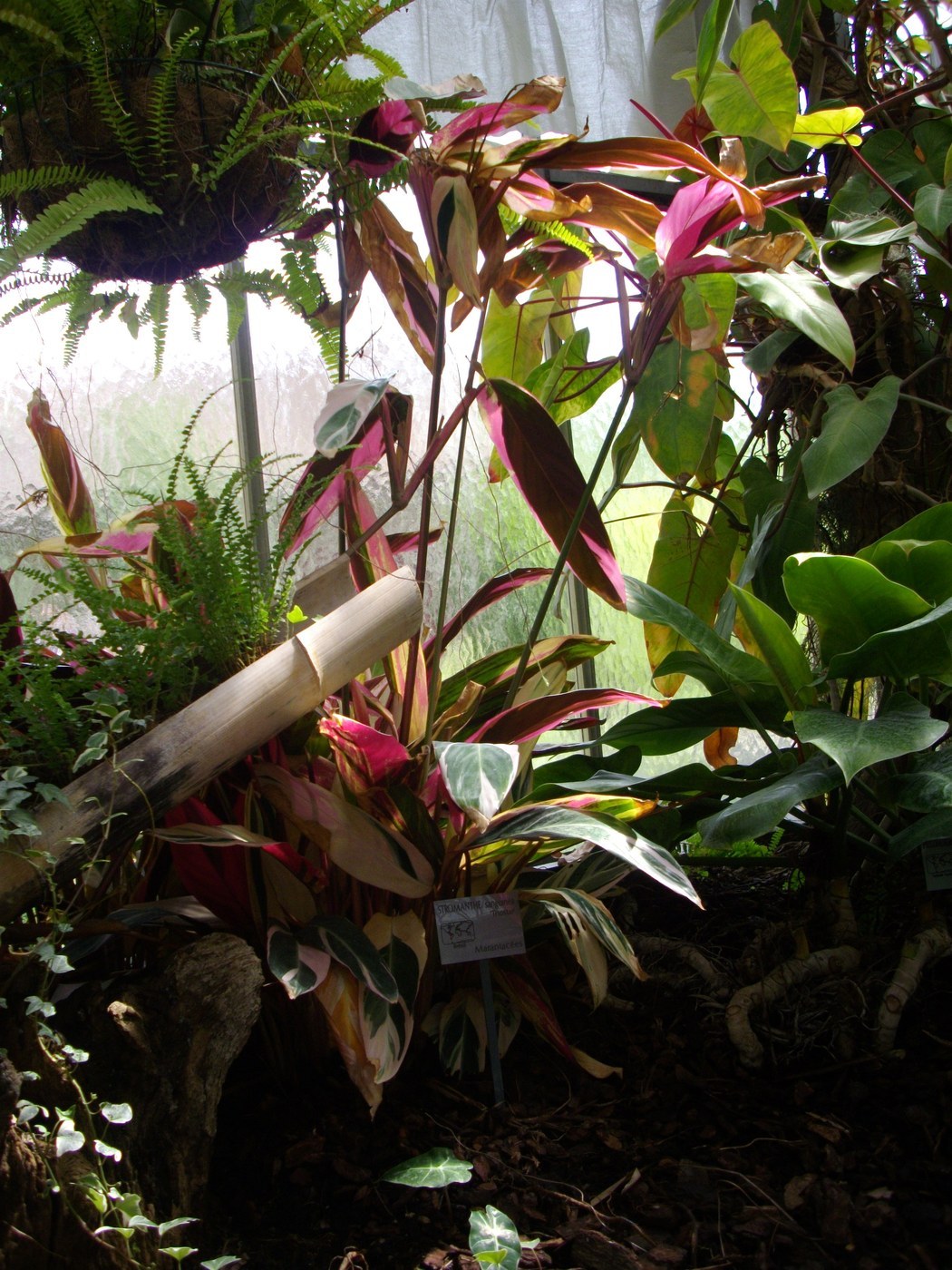
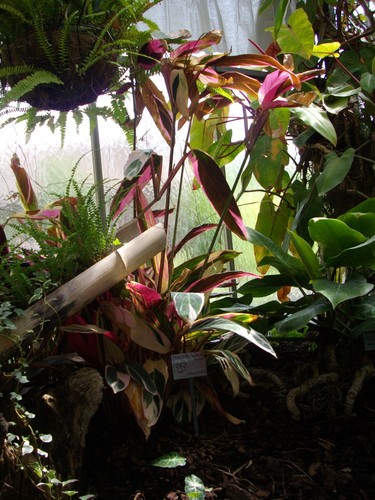
A vivid prayer plant relative with variegated leaves splashed in cream, green, and pink, and dramatic deep-magenta undersides. Like other Marantaceae, its leaves fold up at night.
- Light
- Bright indirect light
- Water
- Keep evenly moist
- Difficulty
- Moderate
Got a plant like this?
Identify any plant from a photo, free.
Overview
Though widely sold as Calathea Triostar, this plant is botanically Stromanthe sanguinea 'Triostar', a member of the prayer-plant family (Marantaceae).
It is grown for its dazzling tricolor foliage — green leaves brushed with cream and pink variegation, dramatically backed by deep magenta-purple undersides. Like its relatives, it raises and folds its leaves at night in a 'prayer' movement, revealing the colorful undersides.
How to identify it
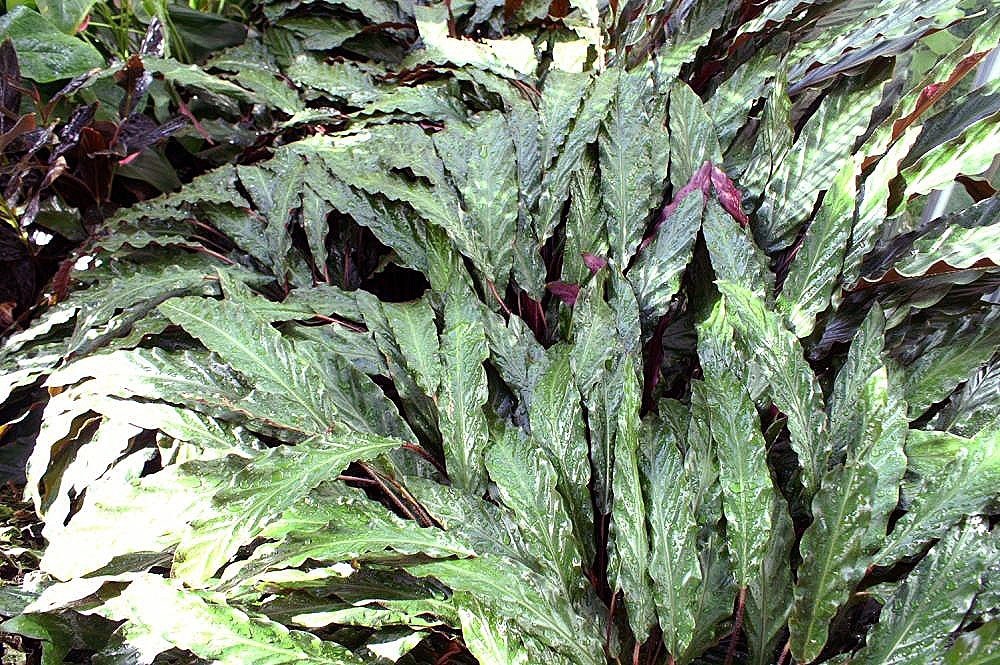
- Leaves: Long, lance-shaped, with variegated streaks of green, cream, and pink on top
- Undersides: Vivid magenta to burgundy-purple
- Movement: Leaves fold upward at night (nyctinasty)
- Habit: Clumping, bushy growth
- Size: Reaches 1–3 ft tall indoors
Care & growing
Light: Bright, indirect light keeps variegation vivid; avoid direct sun.
Water: Keep the soil evenly moist but not waterlogged; use filtered or distilled water — it is sensitive to fluoride and salts.
Soil: Rich, well-draining, moisture-retentive mix.
Humidity & temp: Loves high humidity (50%+) and warmth; dislikes cold drafts.
Feeding: Dilute balanced fertilizer monthly in the growing season.
Propagation: Divide the clump at the roots during repotting.
Habitat & origin
Native to the rainforests of Brazil, where it grows as a humidity-loving understory plant in warm, shaded, moist conditions.
It is grown worldwide as an ornamental houseplant, favored in bathrooms and humid rooms that mimic its tropical native habitat.
Frequently asked questions
Why are my Triostar's leaf edges turning brown?
Often from low humidity, tap-water minerals, or letting it dry out. Use filtered water, keep soil evenly moist, and raise humidity.
Why do the leaves curl?
Curling usually signals underwatering, low humidity, or too much direct light. Adjust to consistent moisture and bright indirect light.
Is Triostar a Calathea or Stromanthe?
It is botanically a Stromanthe (S. sanguinea 'Triostar'), though it is commonly sold under the Calathea name as both are prayer plants.
How big does Triostar get indoors?
It forms a bushy, clumping plant reaching about 1–3 ft tall, with long lance-shaped leaves rising from the base.
Calathea Triostar guides
In-depth guides for identifying, growing, and caring for Calathea Triostar.
How to Care for Calathea Triostar
Triostar (Stromanthe sanguinea) dazzles with pink, cream, and green variegated leaves; give it humidity, warmth, and even moisture.
Calathea Triostar Identification Guide
Identify the Stromanthe 'Triostar' by its tricolor green, cream, and pink variegated leaves with bright magenta undersides.