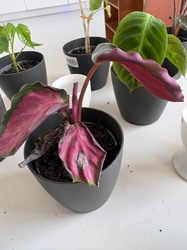
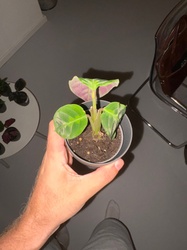
How to Care for Calathea
Master Calathea care: this dramatic-leaved prayer plant demands steady moisture, high humidity, and clean water to look its best.
Read the full Calathea encyclopedia entry →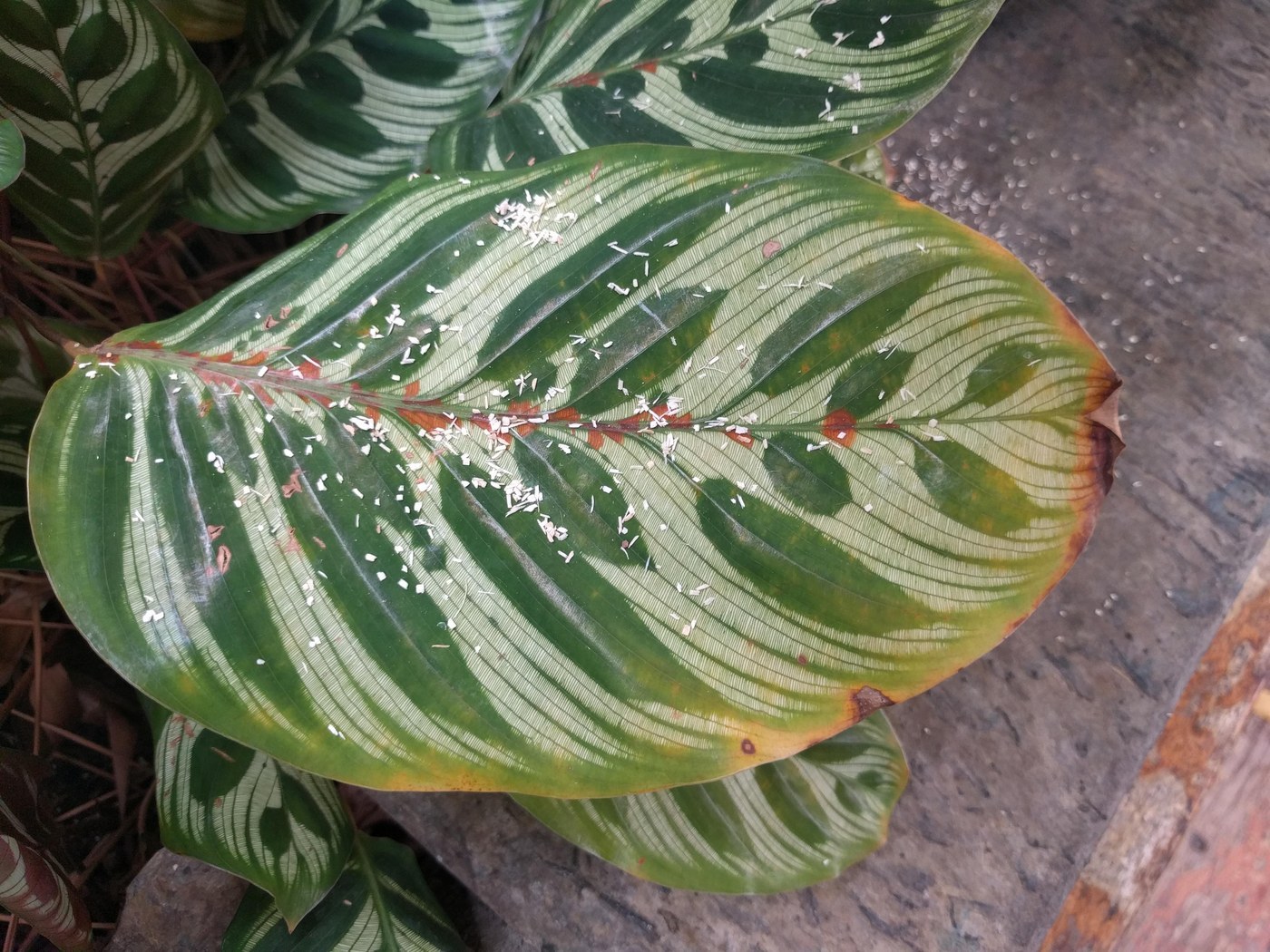
Calathea (Goeppertia makoyana and relatives), often called peacock plant or prayer plant, is famed for its boldly patterned, painterly leaves that fold upward at night. It is a rewarding but demanding houseplant - the fussiest of the popular foliage plants - repaying attentive moisture and humidity with striking foliage.
Light
Give Calathea medium, bright indirect light. It evolved on shaded tropical forest floors, so direct sun scorches and fades the leaf patterns, while too little light dulls the markings and slows growth. An east window, or a few feet back from a brighter window, is ideal. Rotate occasionally for even growth.
Water
Keep the soil evenly moist but never waterlogged - this is central to success. Water when the top of the mix is just beginning to dry, and never let it dry out completely. Calatheas are highly sensitive to mineral buildup and chlorine; use rainwater, distilled, or filtered water, or let tap water stand overnight. Crispy leaf edges usually signal water quality or dryness issues.
Soil & Potting
Use a light, moisture-retentive but airy mix - a peat- or coir-based potting mix loosened with perlite and a little fine bark works well. It should hold moisture without staying soggy. Always use a pot with drainage holes; sitting water rots the fleshy roots.
Humidity & Temperature
High humidity is essential - aim for 60 percent or more. In dry rooms the leaf edges brown and curl. Boost humidity with a pebble tray, a humidifier, or grouping plants; many growers keep Calatheas in bathrooms or terrariums. Keep temperatures warm and steady, roughly 65 to 80 F, and shield the plant from cold drafts, heating vents, and sudden temperature swings.
Feeding
Feed lightly during the growing season with a balanced houseplant fertilizer diluted to half strength, roughly monthly in spring and summer. Calatheas are sensitive to fertilizer salts, so err on the weak side and flush the pot with clean water periodically. Stop feeding in the low light of winter.
Propagation
Propagate by division at repotting time. Gently separate the plant into clumps, each with roots and several leaves, and pot up individually in the same moist mix. Keep divisions warm, humid, and out of direct sun until new growth appears. Calatheas do not root from leaf or stem cuttings.
Repotting / Pruning
Repot every one to two years in spring, moving up only one pot size, as they like a somewhat snug root ball. Refresh the mix to counter salt buildup. Pruning is minimal - simply trim off spent, yellowed, or badly browned leaves at the base with clean scissors. You can neaten crispy edges by trimming to the leaf's natural shape.
Common Problems & Pests
Crispy brown leaf edges are the classic complaint, caused by low humidity, dry soil, or poor-quality water. Yellowing lower leaves often mean overwatering; curling and limpness can mean it is too dry or too cold. Faded patterns indicate too much light. Spider mites are the main pest in dry air, causing stippling and fine webbing - raise humidity and rinse the foliage. Watch also for fungus gnats in constantly damp mix.
Seasonal Care Tips
In spring and summer keep moisture and humidity high, feed lightly, and repot or divide as needed. In autumn and winter growth slows; reduce feeding, water a touch less but still keep the mix from drying, and move the plant away from cold windows and hot radiators. Consistency in warmth, moisture, and humidity year-round is the key to a happy Calathea.
Frequently asked questions
Why are my Calathea's leaf edges turning brown and crispy?
This is almost always low humidity, letting the soil dry too much, or minerals in tap water. Raise humidity above 60 percent, keep the mix evenly moist, and switch to filtered, distilled, or rainwater.
What kind of water should I use for Calathea?
Use rainwater, distilled, or filtered water. Calatheas are sensitive to chlorine, fluoride, and mineral salts in tap water, which cause browning. If you must use tap water, let it sit out overnight first.
Why isn't my Calathea's foliage as colorful as before?
Faded patterns usually mean too much light or, occasionally, too little. Move it to medium, bright indirect light out of any direct sun, and colors should deepen on new growth.
Why do the leaves move and fold up at night?
Calatheas raise and lower their leaves on a daily rhythm from a joint at the leaf base, folding upward in the evening and opening by day. It is normal and a sign of a healthy, active plant.
How often should I repot my Calathea?
Every one to two years in spring, moving up just one pot size. They prefer a slightly snug root ball, and fresh mix helps flush out the fertilizer salts they dislike.
Calathea identified by the community
Recent Calathea specimens identified with Plant Identifier.