How to Care for Calendula
Grow Calendula officinalis, a cheerful cool-season annual with bright orange and yellow daisy-like blooms that are easy and quick from seed.
Read the full Calendula encyclopedia entry →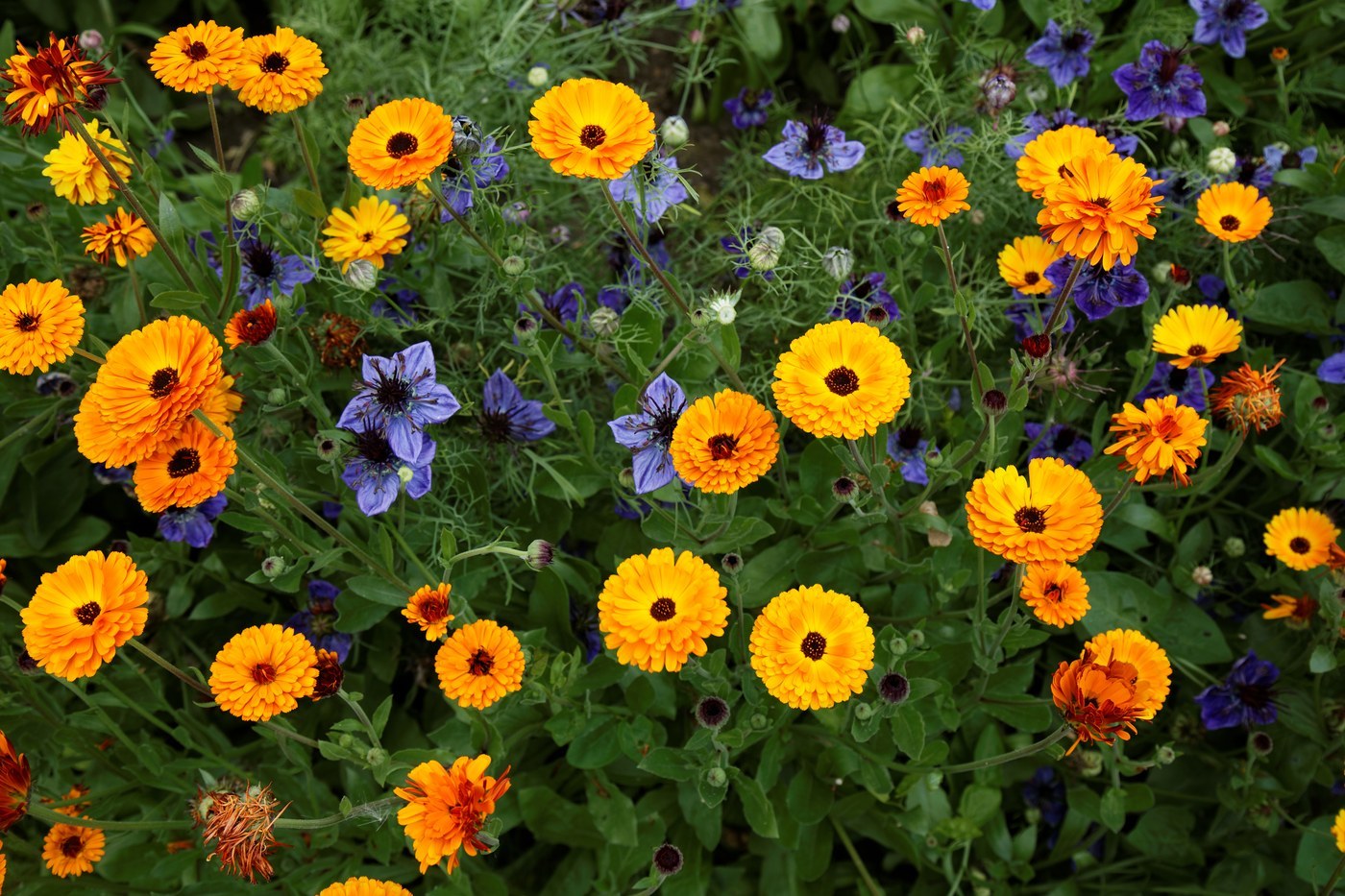
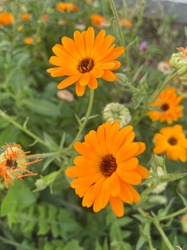
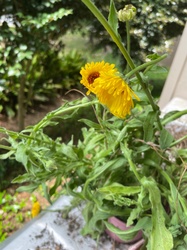
Calendula (Calendula officinalis) is a cheerful, fast-growing annual prized for its bright orange and yellow daisy-like flowers over soft green foliage. Easy from seed and quick to bloom, it is an ideal beginner's plant for beds, borders, and containers.
Light
Calendula flowers most freely in full sun but tolerates partial shade, especially useful in hot climates where a little afternoon shade prolongs bloom. In cool weather give it as much sun as possible for compact, floriferous plants. Too much shade produces leggy growth and fewer flowers.
Water
Keep the soil evenly moist with moderate, regular watering, letting the surface dry slightly between waterings. Calendula tolerates brief dry spells but blooms best with steady moisture. Avoid overhead watering late in the day and soggy soil, both of which invite fungal problems. Mulch helps maintain even moisture.
Soil & Potting
Calendula is undemanding and grows in most average, well-draining garden soils across a broad pH range. It performs best in moderately fertile soil enriched with a little compost. In containers use a standard well-draining potting mix and a pot with drainage holes. Overly rich soil encourages foliage at the expense of flowers.
Humidity & Temperature
This is a cool-season plant that thrives in the mild temperatures of spring and fall and tolerates light frost. Hot summer weather causes it to decline, stretch, and stop blooming, often finishing its cycle in the heat. In mild-winter climates it can bloom through fall and winter. No special humidity is needed; good airflow prevents mildew.
Feeding
Calendula needs little feeding. A light dose of balanced fertilizer or an initial compost amendment at planting is usually enough. Avoid heavy nitrogen, which produces lush leaves and few flowers. For container plants, an occasional diluted liquid feed during active growth supports continued bloom.
Propagation
Calendula is grown easily from seed and often self-sows in the garden. Sow seeds directly where they are to grow in early spring or fall, lightly covered since darkness aids germination. Seeds sprout within one to two weeks in cool soil, and plants bloom quickly. Successive sowings extend the flowering season.
Repotting / Pruning
As an annual, calendula is not repotted long term, but seedlings can be thinned or transplanted while young. Deadhead spent flowers regularly to encourage continuous blooming and prevent the plant from going to seed too early. Pinching young plants encourages bushier growth, and cutting flowers for arrangements also promotes more blooms.
Common Problems & Pests
Calendula is generally trouble-free but can suffer powdery mildew and fungal leaf spots in humid, crowded, or poorly ventilated conditions, so space plants for airflow. Aphids and whiteflies may gather on new growth and can be rinsed off or treated with insecticidal soap. Slugs sometimes chew young seedlings. Good drainage and spacing prevent most issues.
Seasonal Care Tips
Sow in early spring or fall for the best cool-season display. Deadhead often and enjoy a long bloom through mild weather. As summer heat arrives, plants decline; pull spent plants or let a few go to seed for self-sowing. In mild climates, a fall sowing gives flowers through the cool months.
Frequently asked questions
Is calendula easy to grow from seed?
Yes, very. Sow seeds directly in the garden in early spring or fall, cover lightly, and they germinate within one to two weeks, blooming quickly after.
How do I keep calendula blooming longer?
Deadhead spent flowers regularly and cut blooms for arrangements. This prevents early seeding and encourages a continuous flush of new flowers through cool weather.
Why did my calendula stop flowering in summer?
Calendula is a cool-season plant. Hot weather causes it to stretch and decline. Grow it in spring and fall, or provide afternoon shade in warm climates.
Does calendula need full sun?
It blooms best in full sun but tolerates partial shade. In hot regions a little afternoon shade actually helps prolong flowering.
Calendula identified by the community
Recent Calendula specimens identified with Plant Identifier.