
How to Care for California Lilac
Ceanothus thyrsiflorus is a sun-loving, drought-tolerant shrub smothered in clouds of blue spring flowers, best in lean, dry soil.
Read the full California Lilac encyclopedia entry →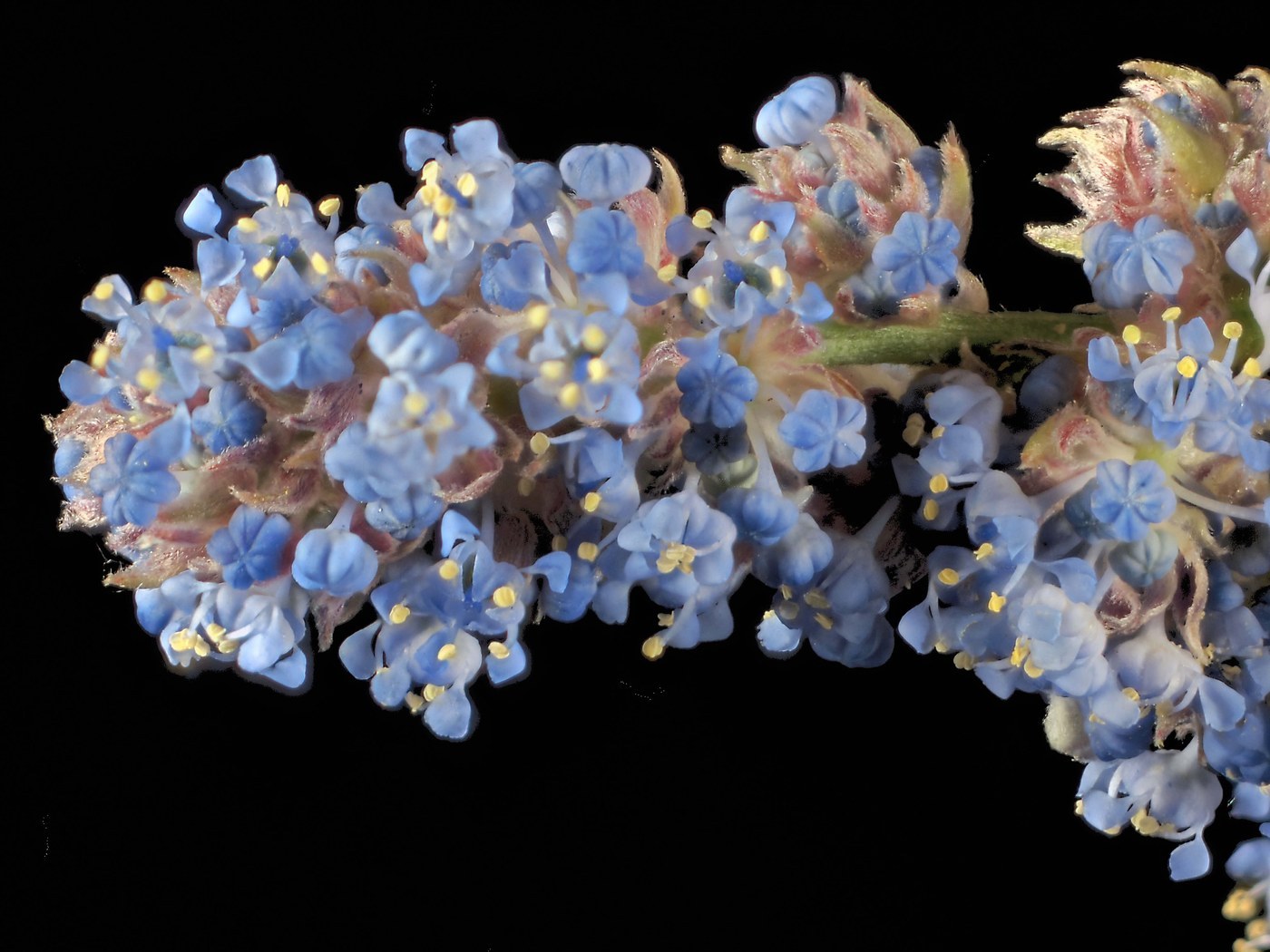
California Lilac, or Ceanothus thyrsiflorus, is a fast-growing evergreen shrub famous for its dense clouds of powder-blue to deep-blue flowers in spring. Native to dry western hillsides, it thrives on sun, sharp drainage, and minimal fuss once established, though it can be short-lived if overwatered.
Light
Give California Lilac full sun for the most abundant flowering and dense, healthy growth. It needs at least six hours of direct sun and flowers poorly in shade. A warm, sheltered position also encourages the best bloom.
Water
This is a drought-tolerant shrub that prefers lean, dry conditions once established. Water regularly only during the first growing season to settle the roots, then taper off sharply. Established plants resent summer irrigation, which is a leading cause of sudden decline and root rot, so keep it dry.
Soil & Potting
Fast-draining soil is essential. Sandy, gravelly, or rocky ground suits it perfectly, and it tolerates poor, lean soil far better than rich, moisture-retentive mixes. Avoid heavy clay and never let it sit in wet soil. A neutral to slightly alkaline pH is fine, and it fixes its own nitrogen.
Humidity & Temperature
California Lilac favors mild, Mediterranean-type climates with warm dry summers and cool moist winters. It tolerates some frost but dislikes prolonged cold and wet, and it prefers low to moderate humidity. Shelter from harsh cold winds improves its longevity.
Feeding
Do not feed heavily. As a nitrogen-fixing plant it needs little supplemental fertilizer, and rich feeding produces weak, floppy growth. At most, a light topdressing of compost in spring is plenty.
Propagation
Propagate from semi-ripe cuttings taken in summer, which root in a gritty, free-draining medium. Seed germination is possible but requires heat or scarification treatment and is less reliable than cuttings.
Repotting / Pruning
Prune only lightly and immediately after flowering, since California Lilac resents hard pruning into old bare wood and may not resprout. Pinch or trim young shoots to shape and keep it compact. Container plants dislike root disturbance, so repot minimally into a gritty, free-draining mix.
Common Problems & Pests
The most common cause of failure is overwatering and poor drainage, leading to root rot and sudden collapse. It can be relatively short-lived even under good care. Watch for scale insects and aphids, and avoid rich soil that invites weak growth. Good drainage prevents most issues.
Seasonal Care Tips
Enjoy the spectacular blue bloom in spring, then do any light shaping right after flowering. Keep it dry through summer and resist the urge to irrigate established plants. Protect from cold drying winds in winter in marginal climates. Site it where it can grow undisturbed for its natural, if sometimes brief, lifespan.
Frequently asked questions
Why did my California Lilac suddenly die?
Sudden decline is usually caused by overwatering or poor drainage. Established Ceanothus resents summer irrigation and wet soil, which triggers root rot; keep it lean and dry.
Can I prune California Lilac hard?
No. It resents cutting into old bare wood and may not resprout. Prune only lightly to shape, right after flowering.
Does California Lilac need fertilizer?
Very little. As a nitrogen-fixing shrub it thrives in lean soil; heavy feeding produces weak, floppy growth and fewer flowers.
How much sun does California Lilac need?
Full sun, at least six hours daily. It flowers poorly in shade and blooms most heavily in a warm, sunny, sheltered spot.