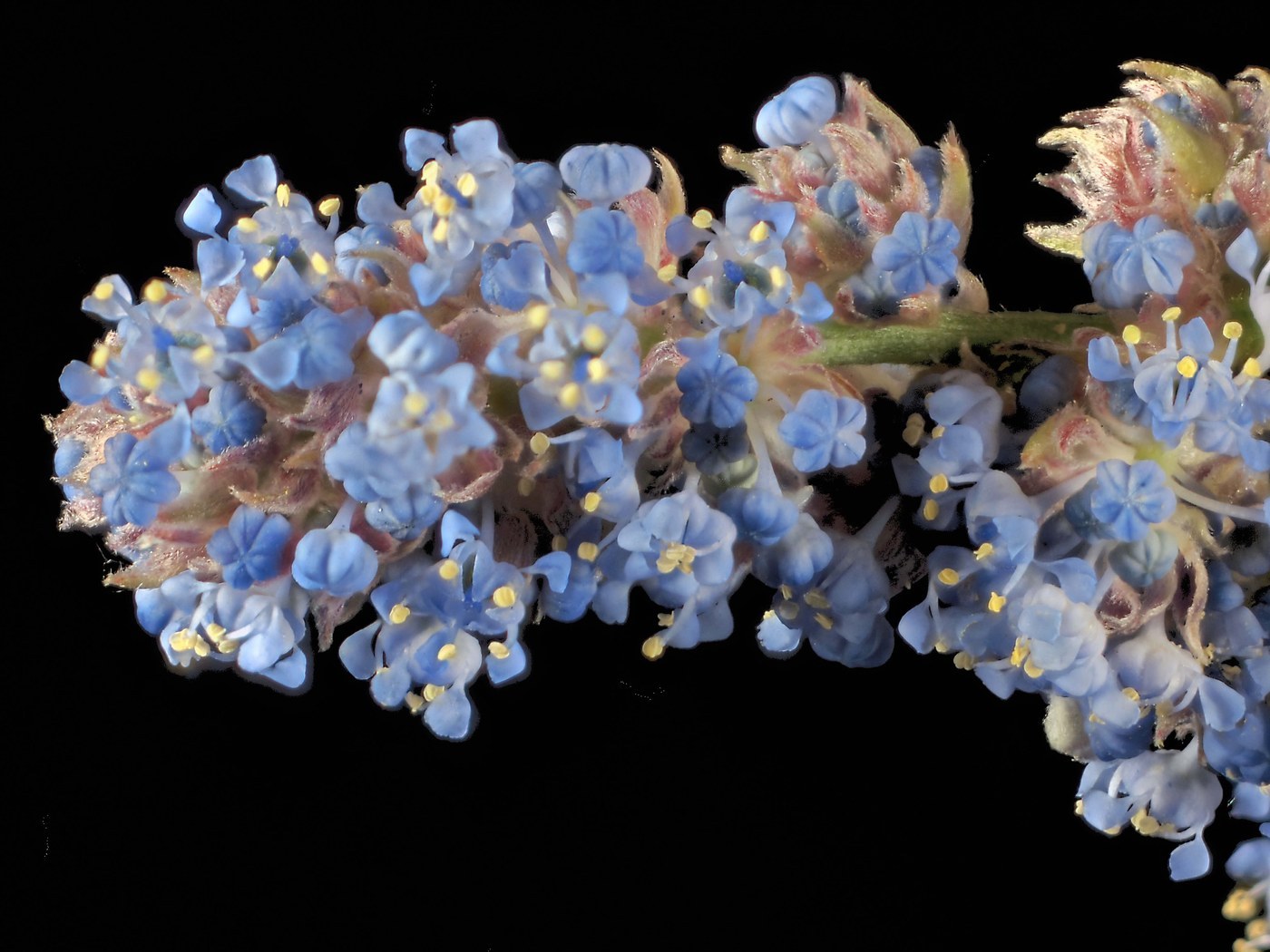
California Lilac
Ceanothus thyrsiflorus
California lilac is a western North American shrub celebrated for its dense clusters of intensely blue flowers in spring. It is a magnet for bees and a backbone of water-wise native gardens.
- Light
- Full sun
- Water
- Low; drought tolerant once established
- Difficulty
- Moderate
Got a plant like this?
Identify any plant from a photo, free.
Overview
California lilac (Ceanothus) is a genus of mostly evergreen shrubs native to North America, with the greatest diversity in California. It is unrelated to true lilac but earns the name from its showy, fragrant flower clusters.
The blooms range from deep cobalt and sky blue to white, smothering the plant in spring and drawing huge numbers of bees and butterflies. Foliage is typically small, glossy and dark green.
Valued for drought tolerance and brilliant color, Ceanothus is a key plant in native and Mediterranean-style gardens, though many forms are relatively short-lived and dislike summer irrigation.
How to identify it
- Flowers: tiny flowers in dense rounded or elongated clusters, usually vivid blue, sometimes white; lightly fragrant
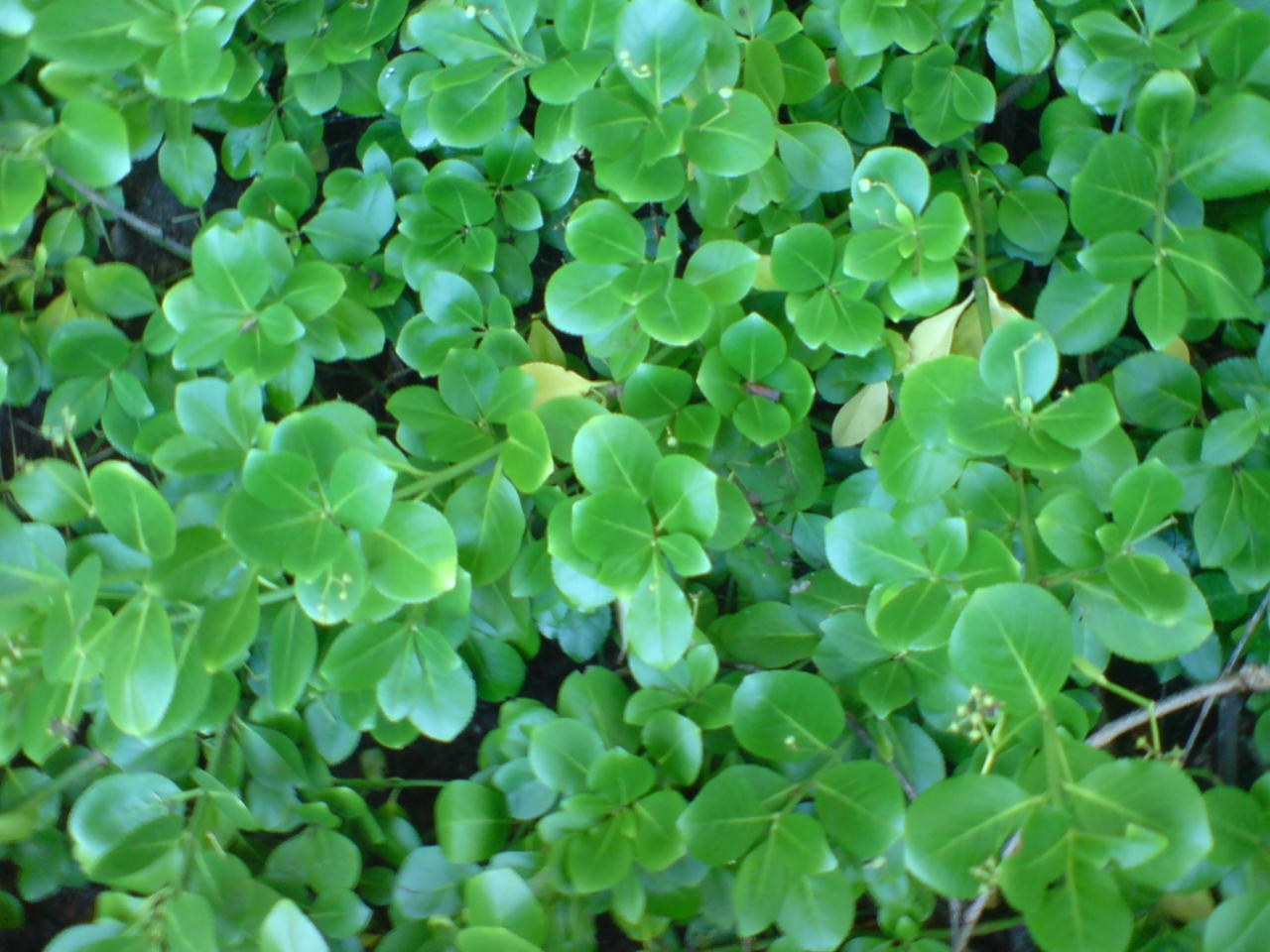
- Leaves: small, alternate or opposite, glossy dark green, often with three prominent veins and finely toothed edges
- Habit: ranges from low groundcovers to upright shrubs 6 to 20 ft, depending on species
- Stems: woody, sometimes arching; bark often dark
- Bloom time: mainly spring
Care & growing
Requires full sun and excellent drainage; it is adapted to dry summers.
- Water: drought tolerant once established; minimal or no summer water, which can trigger fatal root rot
- Soil: lean, fast-draining; tolerates poor soils and fixes nitrogen
- Temperature: evergreen types generally USDA zones 8 to 10; some deciduous species are hardier
- Feeding: none needed; it is a nitrogen fixer
- Pruning: prune lightly after flowering to shape; avoid cutting into old wood
- Propagation: semi-hardwood cuttings in summer or seed with heat or smoke treatment
- Lifespan: often short-lived (10 to 25 years); plant in the right dry conditions to maximize longevity
Habitat & origin
Native to North America, with most species concentrated in California and the western United States, growing in chaparral, coastal scrub, and dry woodland.
It is a pioneer of dry, sunny slopes and fixes nitrogen in poor soils. It is widely planted in California native, Mediterranean and water-wise gardens, and select hardy forms are grown in parts of Europe.
Frequently asked questions
Is California lilac related to true lilac?
No. Despite the name and lilac-like blue flowers, Ceanothus is unrelated to true lilac (Syringa) and belongs to the buckthorn family.
Why did my established plant suddenly die?
Summer water and poor drainage are the usual culprits. Ceanothus is adapted to dry summers and is prone to root rot if irrigated or planted in heavy soil.
How long does a California lilac live?
Many evergreen forms are relatively short-lived, often 10 to 25 years. Good drainage and dry summers help it last as long as possible.
Does it attract pollinators?
Tremendously. The flower clusters are one of the best bee and butterfly magnets in spring.
California Lilac guides
In-depth guides for identifying, growing, and caring for California Lilac.
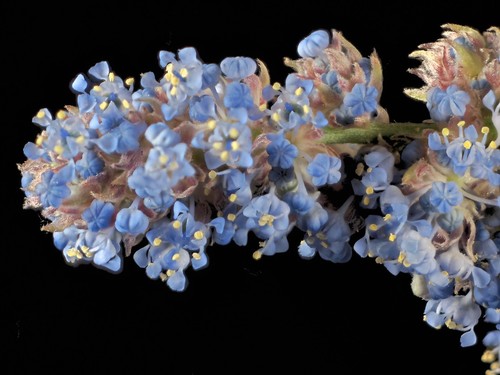
How to Care for California Lilac
Ceanothus thyrsiflorus is a sun-loving, drought-tolerant shrub smothered in clouds of blue spring flowers, best in lean, dry soil.
California Lilac Identification Guide
Recognize California lilac (Ceanothus) by its dense clusters of tiny intensely blue flowers, small glossy three-veined leaves, and tough drought-hardy habit.