How to Care for California Poppy
California poppy is an easy, drought-tolerant wildflower that thrives in full sun and lean, sandy soil, self-seeding freely each year.
Read the full California Poppy encyclopedia entry →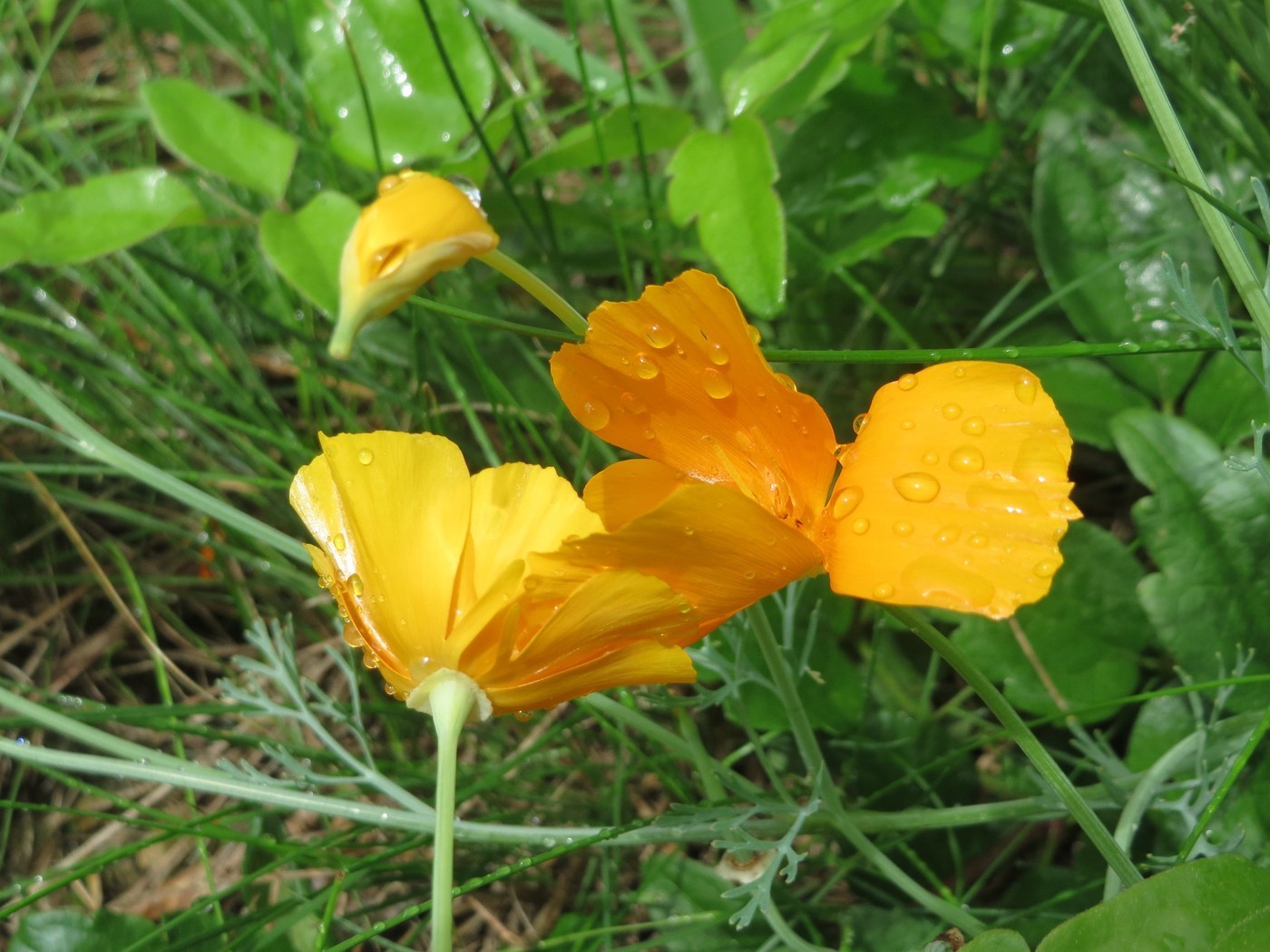
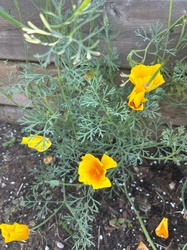
California poppy (Eschscholzia californica) is a cheerful, drought-tolerant wildflower with silky orange-to-golden blooms and fine, blue-green ferny foliage. It is exceptionally easy to grow from seed, thriving on neglect in sunny, lean, well-drained sites and reseeding itself year after year.
Light
Full sun is essential. California poppy flowers open in bright sunlight and close on cloudy days and at night, so an open, sunny position produces the most abundant, long-lasting display. In shade the plants grow weak, sparse, and reluctant to bloom.
Water
This is a low-water, drought-tolerant plant. Water lightly to germinate seed and establish young plants, then reduce sharply, as established poppies flower best in dry conditions. Overwatering produces lush foliage at the expense of flowers and can rot the roots. Once going, natural rainfall is often enough.
Soil & Potting
California poppy prefers poor to average, sandy or gritty, sharply drained soil. Rich, fertile ground encourages floppy foliage and fewer blooms, so avoid heavy amendment. It has a delicate taproot and resents transplanting, so sow seed directly where it is to grow rather than starting in pots.
Humidity & Temperature
Adapted to a Mediterranean climate, it favors warm, dry conditions and low humidity. It tolerates heat well and, in mild climates, behaves as a short-lived perennial; in colder regions it is grown as an annual. Damp, humid conditions encourage disease, so airflow and dryness are best.
Feeding
No feeding is needed, and in fact fertilizer is counterproductive. California poppy is adapted to lean soils, and extra nutrients promote leafy growth with few flowers. Skip fertilizer entirely for the best floral display and sturdiest plants.
Propagation
Propagation is entirely by seed, sown directly onto prepared ground in autumn or early spring. Simply scatter and lightly press seed into the soil surface; it needs light and cool conditions to germinate. Established plantings self-seed prolifically, returning on their own each year if spent flowers are left to set seed.
Repotting / Pruning
Because of its taproot, California poppy is not suited to repotting or transplanting once growing. Deadhead spent blooms to prolong flowering, or leave some to self-sow. Shearing back leggy, tired plants in midsummer can encourage a fresh flush of growth and blooms in cooler weather.
Common Problems & Pests
Problems are few. The main risks are root rot and fungal issues from overwatering or heavy, damp soil, so keep conditions lean and dry. Aphids may cluster on new growth and can be rinsed off. Powdery mildew appears in crowded, humid plantings, so give plants space and sun.
Seasonal Care Tips
Sow seed in autumn for early bloom or in early spring in colder areas. Keep the seedbed lightly moist until germination, then ease off water. Enjoy peak flowering in spring and early summer, deadheading to extend it. Let some seed pods ripen and drop in late summer to guarantee next year's self-sown display.
Frequently asked questions
Why won't my California poppy flowers stay open?
The blooms naturally close on cloudy days, in the evening, and in low light. This is normal; they reopen in bright sun. Ensure the plant gets full, direct sunlight for the best show.
Can I transplant California poppy seedlings?
It's best not to. They have a delicate taproot and resent transplanting, often failing afterward. Sow seed directly where you want the plants to grow rather than starting them in pots.
Why is my plant all leaves and few flowers?
Too-rich soil, too much fertilizer, or overwatering promotes foliage at the expense of blooms. California poppy flowers best in lean, dry, unfertilized soil, so cut back on water and skip feeding.
Will California poppy come back every year?
In mild climates it can behave as a short-lived perennial, and everywhere it self-seeds prolifically. Leave some spent flowers to set and drop seed, and new plants will return on their own.
California Poppy identified by the community
Recent California Poppy specimens identified with Plant Identifier.