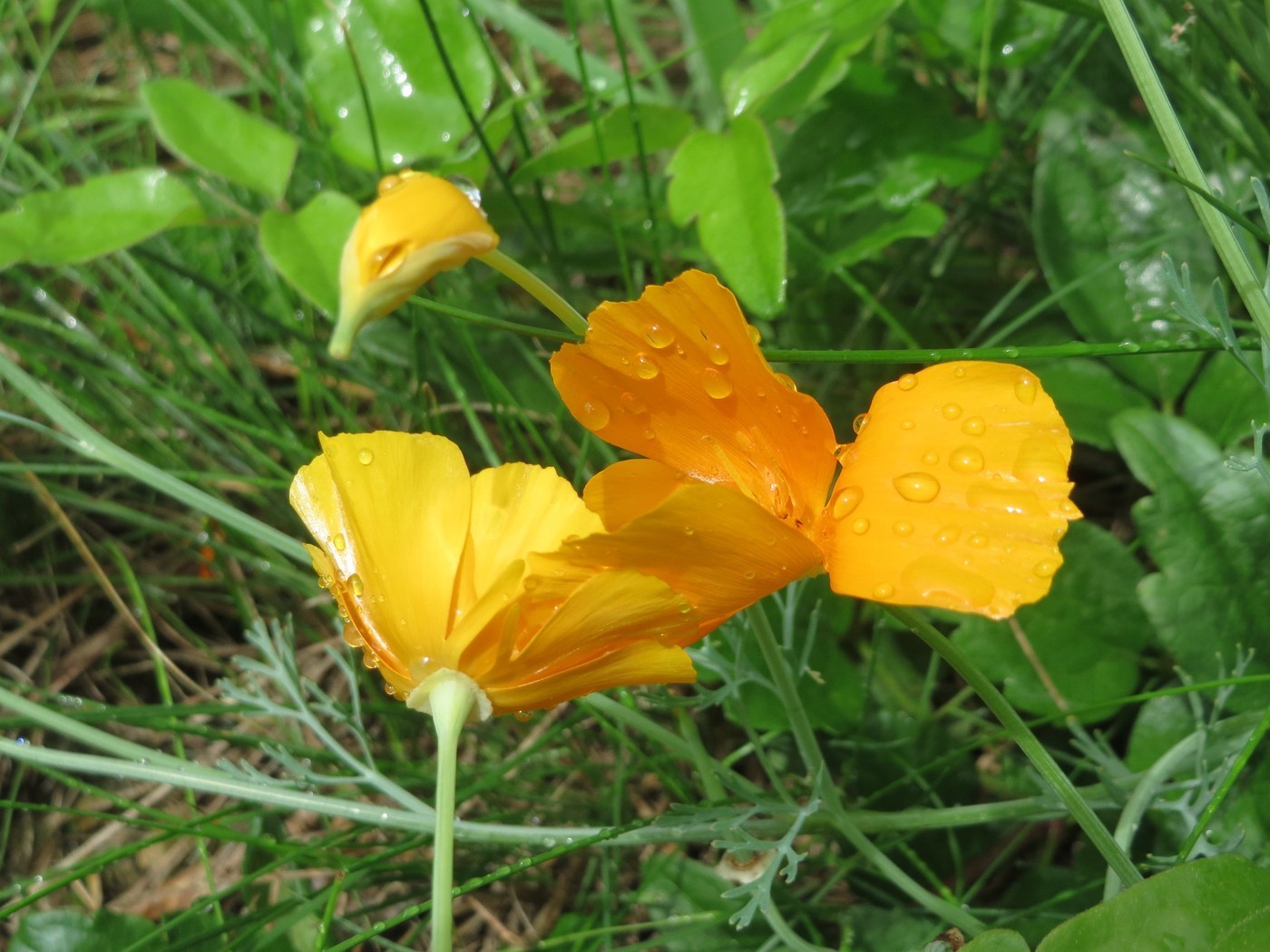
California Poppy
Eschscholzia californica
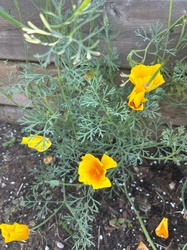
The official state flower of California, a hardy annual or short-lived perennial with silky, cup-shaped orange to gold blooms above ferny blue-green foliage. It thrives in poor, dry soil and closes its petals at night and on cloudy days.
- Light
- Full sun
- Water
- Low; drought-tolerant
- Difficulty
- Easy
Got a plant like this?
Identify any plant from a photo, free.
Overview
The California poppy is a drought-tolerant wildflower native to the western United States and Mexico. Its brilliant orange and gold flowers blanket hillsides in spring, and it is the state flower of California.
Easy to grow from seed and undemanding, it flourishes in lean, sunny sites where many other flowers struggle, making it a staple of meadow and xeriscape plantings.
How to identify it
- Low, sprawling to mounding plant usually 8-18 in (20-45 cm) tall
- Foliage is finely divided, fern-like and blue-green to grey-green
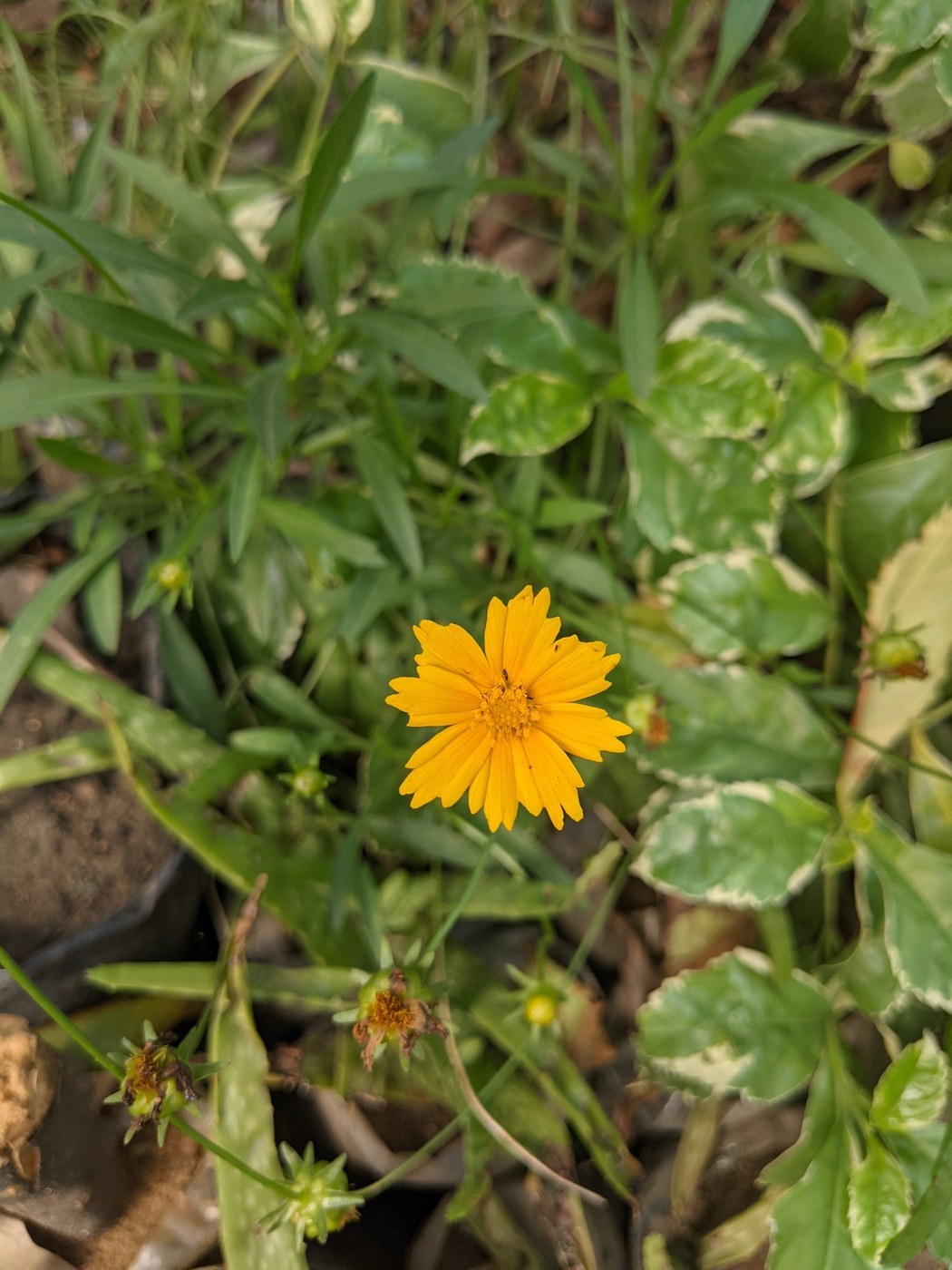
- Flowers are single, satiny, cup-shaped with four overlapping petals, classically orange but also yellow, cream, pink and red in cultivars
- Petals close at night and in cloudy weather and reopen in sun
- Long, slender seed capsules split to fling seed
Care & growing
- Light: Full sun is essential for good flowering
- Water: Low; thrives on natural rainfall and tolerates drought once up
- Soil: Poor, sandy or gravelly, well-drained soil; avoid rich or wet ground
- Temperature: Cool-season grower that blooms in spring and early summer
- Feeding: None needed; fertile soil reduces flowering
- Propagation: Direct-sow seed in fall or early spring; resents transplanting because of its taproot. Self-sows freely
Leave some seed pods to ripen for natural reseeding year to year.
Habitat & origin
Native to California and the western US into Mexico, growing on open grassy slopes, roadsides, deserts and disturbed ground.
Widely planted in wildflower mixes, meadows, rock gardens and xeriscapes, and naturalized in many warm-temperate regions worldwide.
Frequently asked questions
Why do California poppies close up?
Their petals fold shut at night and on overcast days, reopening when the sun returns, which protects the pollen and flower.
Should I start California poppies indoors?
No. They have a deep taproot and resent transplanting, so sow seed directly where they are to grow in fall or early spring.
Is it illegal to pick California poppies?
It is illegal to remove them from public land in California, but you can freely grow and pick poppies in your own garden.
Do California poppies come back every year?
They are short-lived perennials often grown as annuals, but they self-sow abundantly and reliably return from seed.
California Poppy guides
In-depth guides for identifying, growing, and caring for California Poppy.
How to Care for California Poppy
California poppy is an easy, drought-tolerant wildflower that thrives in full sun and lean, sandy soil, self-seeding freely each year.
California Poppy Identification Guide
Recognize the California poppy (Eschscholzia californica) by its silky cup-shaped orange flowers, finely dissected blue-green foliage, and the pointed cap that pops off opening buds.
California Poppy identified by the community
Real specimens identified with Plant Identifier.