
How to Care for Camellia Tree
Grow a Camellia japonica for glossy evergreen leaves and lush winter-to-spring blooms with acidic soil and steady moisture.
Read the full Camellia Tree encyclopedia entry →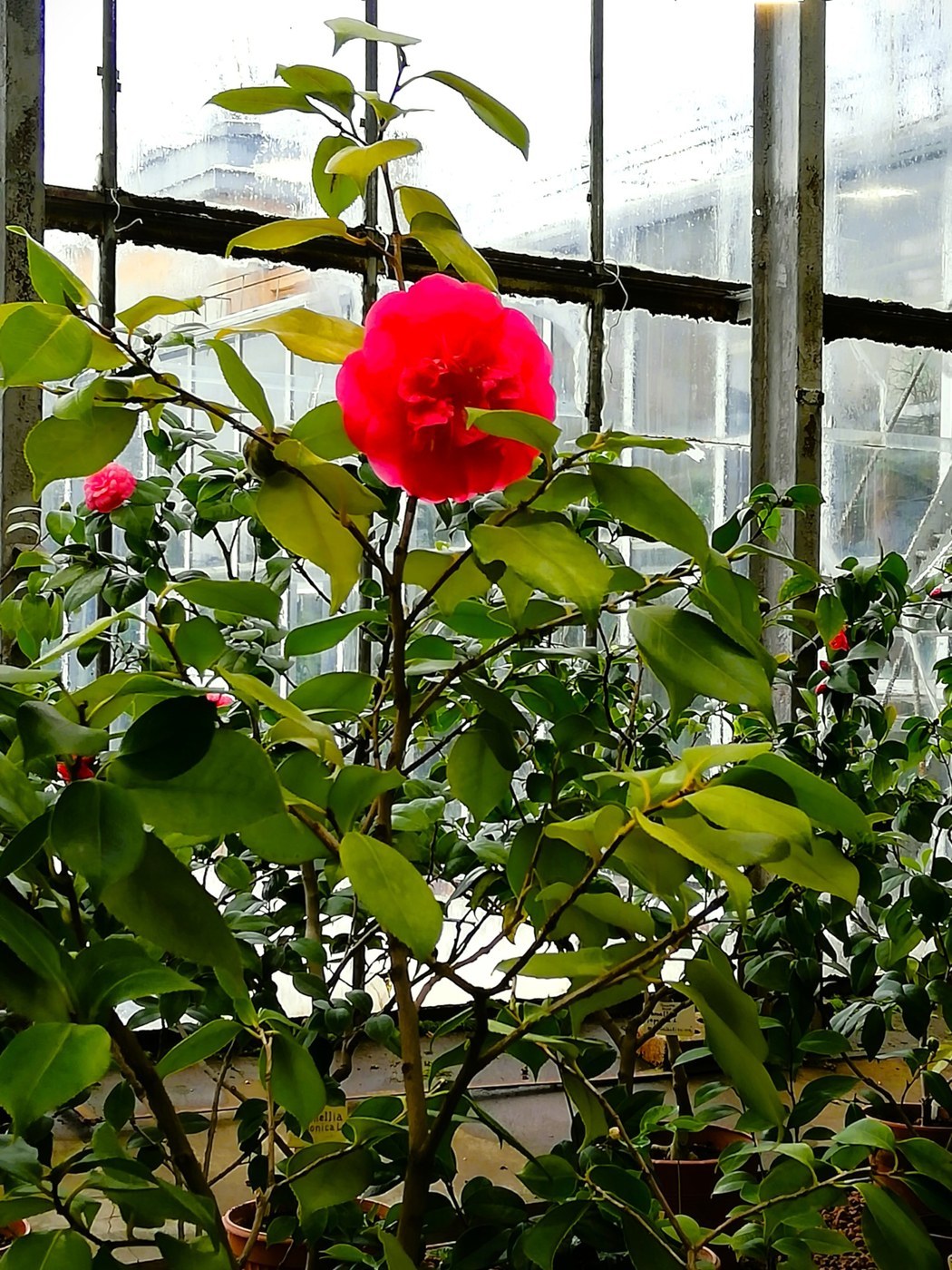
The camellia (Camellia japonica) is a slow-growing evergreen shrub or small tree prized for its waxy dark-green foliage and formal, rose-like flowers that open in the cool months. It rewards patience with decades of bloom once its preference for acidic soil and dappled light is met.
Light
Give camellias bright, filtered light or part shade. Morning sun with afternoon shade is ideal in warm climates, while cooler regions tolerate more direct light. Harsh midday sun scorches leaves and can bleach the flower color, so site the plant under high-canopy trees or on an east-facing aspect. Indoors, provide the brightest indirect light available near a window.
Water
Water weekly to keep the root zone consistently moist but never waterlogged. Camellias have shallow, fibrous roots that resent both drought and standing water. Deep, thorough soakings that wet the whole root ball are better than frequent shallow sips. Let the surface begin to dry between waterings, and increase frequency during bud set and bloom.
Soil & Potting
Use a rich, acidic, well-draining mix with a pH around 5.0 to 6.5. Blend in ample organic matter such as composted bark or peat-alternative and coarse material for drainage. In containers, an ericaceous (acid-loving) potting mix works well. Mulch the surface with pine bark or leaf mold to keep roots cool and moist, keeping mulch off the trunk.
Humidity & Temperature
Camellias prefer moderate humidity and cool-to-mild temperatures. They thrive in temperate conditions and tolerate light frost once established, though sudden freezes can brown open blooms. Protect from cold, drying winds that desiccate foliage. Indoors, avoid hot dry air near heaters and mist occasionally if the air is very dry.
Feeding
Feed with a fertilizer formulated for acid-loving plants in spring after flowering, and again in early to mid summer. Avoid feeding in late summer or fall, which can push tender growth. Follow label rates and water in well; over-feeding can cause salt buildup and leaf burn. A yearly top-up of acidic mulch also supplies slow nutrients.
Propagation
Camellias are commonly propagated from semi-hardwood cuttings taken in summer. Take 10-15 cm tip cuttings, remove lower leaves, dip in rooting hormone, and insert into a moist, gritty acidic mix. Keep warm, humid, and shaded; rooting is slow and may take several months. Air layering is another reliable method for larger specimens.
Repotting / Pruning
Repot container camellias every two to three years in spring after flowering, moving up one pot size. Prune lightly right after bloom to shape the plant, remove crossing or weak branches, and improve air flow. Camellias flower on old wood, so late pruning sacrifices next season's buds. Disbudding some flower buds yields fewer but larger blooms.
Common Problems & Pests
Yellowing leaves with green veins signal chlorosis from alkaline soil or iron deficiency; correct with acidic amendments. Bud drop often results from erratic watering, cold snaps, or dry roots. Watch for scale insects, aphids, and mealybugs, and treat with horticultural oil. Sooty mold on leaves follows sap-sucking pests. Petal blight causes browning flowers in wet weather; remove and discard affected blooms.
Seasonal Care Tips
Expect buds through fall and blooms from late fall to spring depending on cultivar. Water steadily during bud development to prevent drop. Mulch before winter to insulate shallow roots, and shield flowers from hard frost. Prune and fertilize in spring once the last blooms fade, then ease watering slightly through summer while keeping roots cool.
Frequently asked questions
Why are my camellia buds falling off before opening?
Bud drop is usually caused by inconsistent watering, cold snaps, or roots drying out during bud development. Keep soil evenly moist through fall and winter and protect from sudden freezes.
Why are the leaves turning yellow between the veins?
This is chlorosis, typically from soil that is too alkaline for a camellia. Amend with an acidic, ericaceous mix and use fertilizer for acid-loving plants to restore green color.
When should I prune my camellia?
Prune right after flowering ends, since camellias set next year's buds on old wood. Late pruning removes developing buds and reduces the following season's display.
Can I grow a camellia in a container?
Yes. Use an acidic potting mix in a well-draining pot, keep it in bright filtered light, water regularly, and repot every two to three years in spring.