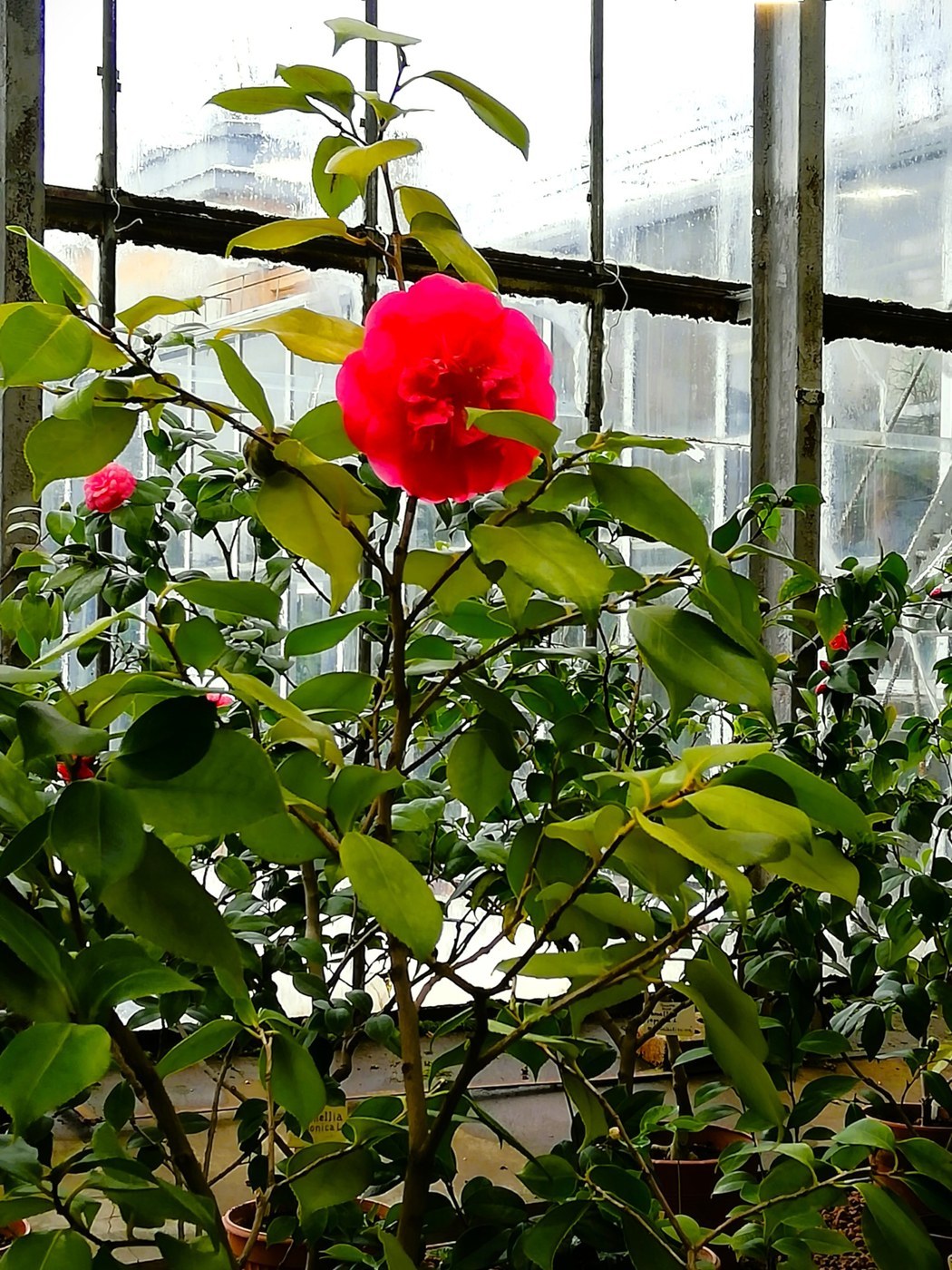
Camellia Tree
Camellia japonica
The camellia is a glossy-leaved evergreen shrub or small tree bearing large, showy rose-like flowers in shades of red, pink and white during fall, winter and spring. It is a classic shade-garden ornamental.
- Light
- Part shade; bright indirect light
- Water
- Weekly; consistent moisture, acidic
- Difficulty
- Moderate
Got a plant like this?
Identify any plant from a photo, free.
Overview
The camellia (Camellia japonica) is a broadleaf evergreen shrub or small tree native to East Asia, grown for its lush, glossy dark foliage and spectacular waxy flowers that bloom in the cool season from fall through spring when little else is in flower. Blooms range from single to fully double in red, pink, white and bicolors.
Long cultivated in Japan, China and Korea, it can grow slowly into a small tree 10-25 ft tall over decades, though it is usually kept as a large shrub. It thrives in mild, humid climates and acidic soils, and is closely related to the tea plant, Camellia sinensis.
How to identify it
- Habit: Dense, upright evergreen shrub or small tree, 6-25 ft, slow-growing.
- Flowers: Large, 3-5 in, waxy, rose-like blooms (single to double) in red, pink, white or variegated, fall through spring.
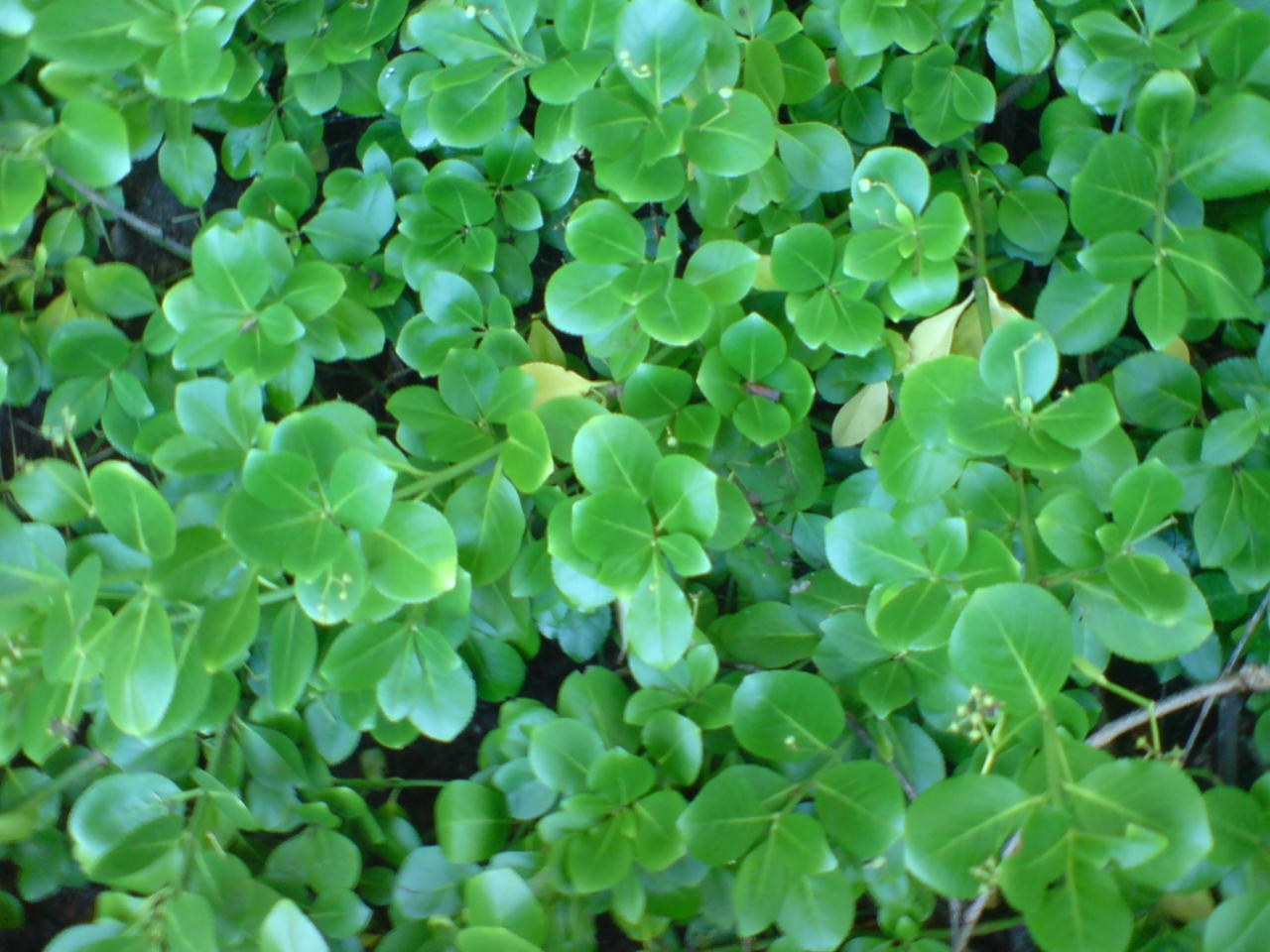
- Leaves: Alternate, thick, glossy, dark green, oval with finely toothed edges, 2-4 in.
- Bark: Smooth, gray.
- Fruit: Rounded woody capsule with large seeds.
Care & growing
Light: Partial shade or bright filtered light; protect from hot midday sun and cold drying wind.
Water: Keep consistently moist, about weekly; never let roots dry out or sit waterlogged.
Soil: Moist, well-drained, acidic, organic-rich soil (like azaleas and rhododendrons).
Temperature: Hardy USDA zones 7-9; protect buds from hard freezes.
Feeding: Acid-forming fertilizer after flowering; mulch to keep roots cool.
Pruning/Propagation: Prune lightly after bloom. Propagated by semi-hardwood cuttings, grafting or air-layering.
Habitat & origin
Native to Japan, Korea and eastern China, where it grows in forests and mountain woodlands. It has been cultivated and bred in East Asia for over a thousand years, with thousands of named cultivars.
It is widely grown as an ornamental in mild-temperate regions worldwide, including the southeastern U.S., the Pacific Northwest, and parts of Europe and Asia in zones 7-9.
Frequently asked questions
When do camellias bloom?
Camellia japonica blooms in the cool season, generally from late fall through early spring depending on cultivar.
Why are the flower buds dropping before opening?
Bud drop is usually caused by drought stress, sudden cold, or erratic watering; keep soil evenly moist and shelter from hard freezes.
Is the camellia related to tea?
Yes. The ornamental camellia is Camellia japonica, closely related to Camellia sinensis.
Camellia Tree guides
In-depth guides for identifying, growing, and caring for Camellia Tree.
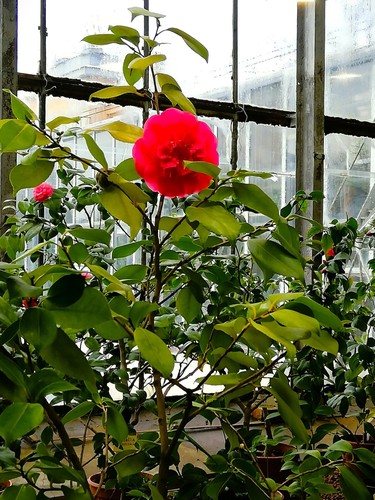
How to Care for Camellia Tree
Grow a Camellia japonica for glossy evergreen leaves and lush winter-to-spring blooms with acidic soil and steady moisture.
Camellia Tree Identification Guide
Identify the camellia (Camellia japonica/sasanqua) by its glossy evergreen toothed leaves and large rose-like flowers in white, pink, or red blooming in fall through spring.