How to Care for Canada Thistle
Canada Thistle is an extremely vigorous, spreading perennial with spiny leaves and lilac flower heads that thrives with almost no care.
Read the full Canada Thistle encyclopedia entry →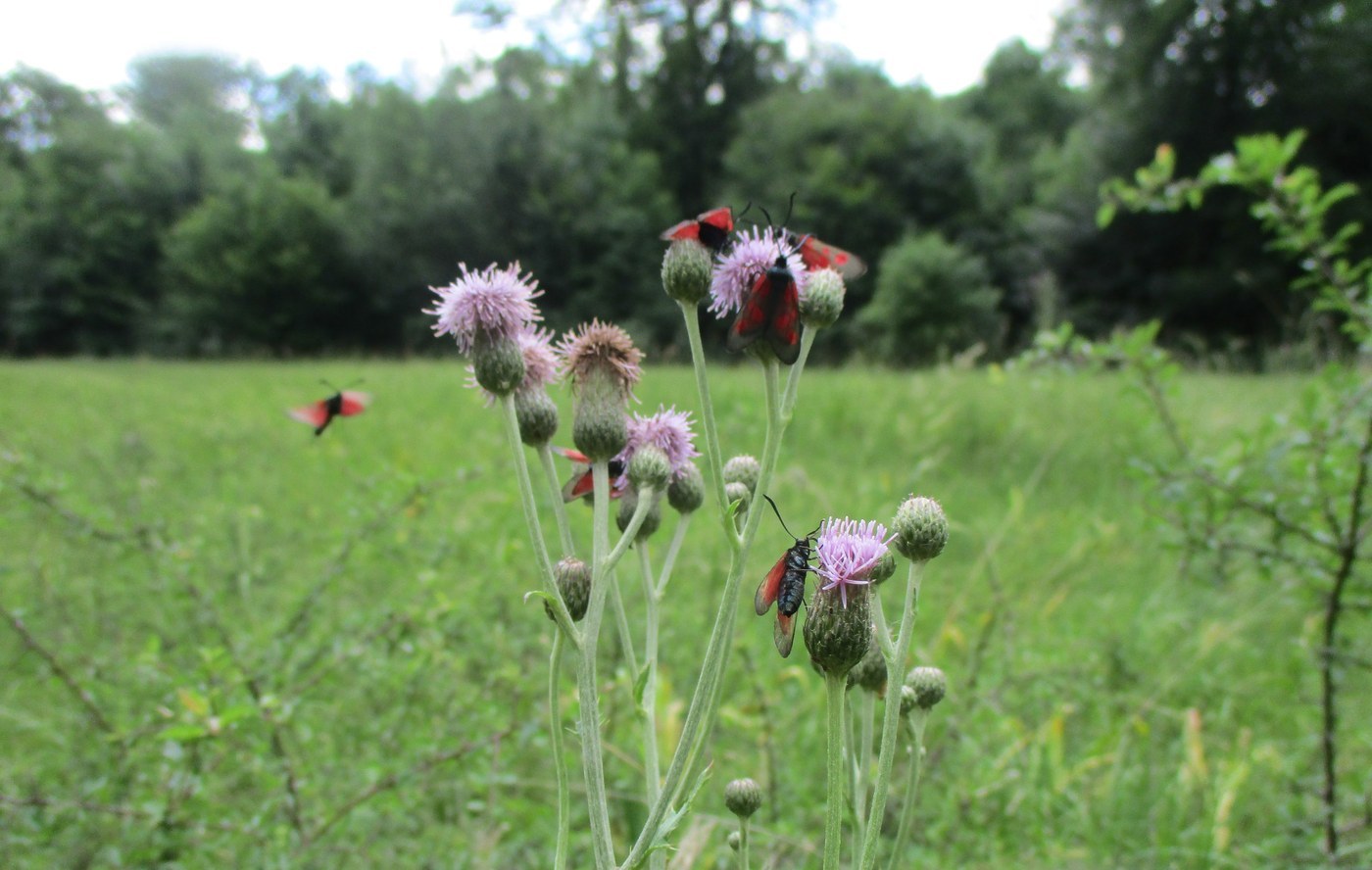
Canada Thistle (Cirsium arvense) is a tough, deep-rooted perennial with spiny toothed leaves and clusters of small lilac-pink flower heads in summer. It is exceptionally vigorous and spreads aggressively by creeping roots, so understanding how it grows is mainly about managing its enthusiasm rather than coaxing it along.
Light
Canada thistle is a sun lover that grows best in full sun with at least 6 hours of direct light. It colonizes open ground, field edges, and disturbed sunny sites readily. It tolerates some light shade but flowers far more sparsely and grows more upright and thin where light is reduced.
Water
Once established, this plant is strongly drought tolerant thanks to a deep, extensive root system that draws moisture from well below the surface. It needs little supplemental water and copes with dry, poor sites. It also tolerates a range of moisture and grows in seasonally damp ground, but standing water is not to its liking.
Soil & Potting
Canada thistle is undemanding about soil and grows in almost any type, from lean sand to heavy clay. It thrives in disturbed, open ground and adapts to a wide pH range. Because it spreads so rapidly by underground roots, growing it in a bottomless bed in open soil is unwise; a large sunk container can help contain the roots if grown deliberately.
Humidity & Temperature
A hardy temperate perennial, Canada thistle withstands cold winters and dies back to its root system, resprouting reliably in spring. It is indifferent to humidity and grows across a broad temperature range, becoming dormant in the coldest months and flowering through the warmth of summer.
Feeding
This plant needs no feeding whatsoever and grows vigorously even in impoverished soil. Adding fertilizer only accelerates its already rapid spread. On any reasonable soil it finds all the nutrients it requires unaided.
Propagation
Canada thistle propagates with alarming ease. Even small fragments of its creeping horizontal roots can sprout new plants, and it also spreads by wind-borne seed carried on fluffy plumes. Any root left in the ground when digging will regenerate, which is precisely why it is so persistent.
Repotting / Pruning
If grown as a contained ornamental or wildlife plant, cut back the flowering stems before the seed heads mature and release their downy seed, to limit uncontrolled spread. Repeated cutting through the season weakens the roots over time. In a container, the roots quickly fill the pot and benefit from regular division and refreshing.
Common Problems & Pests
Canada thistle is robust and rarely troubled by pests, though it can host aphids and various leaf beetles and thistle-feeding insects. Rust and mildew fungi occasionally spot the foliage in humid weather. The real challenge with this plant is not keeping it alive but keeping it from overrunning its neighbors, since its running roots invade surrounding ground.
Seasonal Care Tips
Growth surges in spring from overwintered roots, with flowering through summer. If you want to prevent spread, cut stems before seed set in mid to late summer and remove root fragments when digging. It dies back in autumn and rests over winter, ready to resprout vigorously the following spring.
Frequently asked questions
Why does Canada thistle keep coming back after I dig it out?
It spreads by deep, creeping horizontal roots, and even tiny root fragments left behind will sprout new plants. Complete removal requires clearing every piece of root.
Does Canada thistle need watering or feeding?
Almost never. Once established it is highly drought tolerant and grows vigorously in poor soil, so extra water or fertilizer only encourages faster, ranker growth.
How do I stop Canada thistle from spreading?
Cut the flowering stems before the seed heads open and shed their windborne seed, repeat the cutting through the season to exhaust the roots, and dig out root fragments carefully.
What conditions does Canada thistle prefer?
Full sun and open, disturbed ground. It tolerates almost any soil and a wide range of moisture, which is why it colonizes field edges and neglected sites so readily.
Canada Thistle identified by the community
Recent Canada Thistle specimens identified with Plant Identifier.