
How to Care for Cantaloupe
Grow Cantaloupe (Cucumis melo var. cantalupensis), a warm-season trailing vine that needs full sun, heat, rich soil, and steady water to thrive.
Read the full Cantaloupe encyclopedia entry →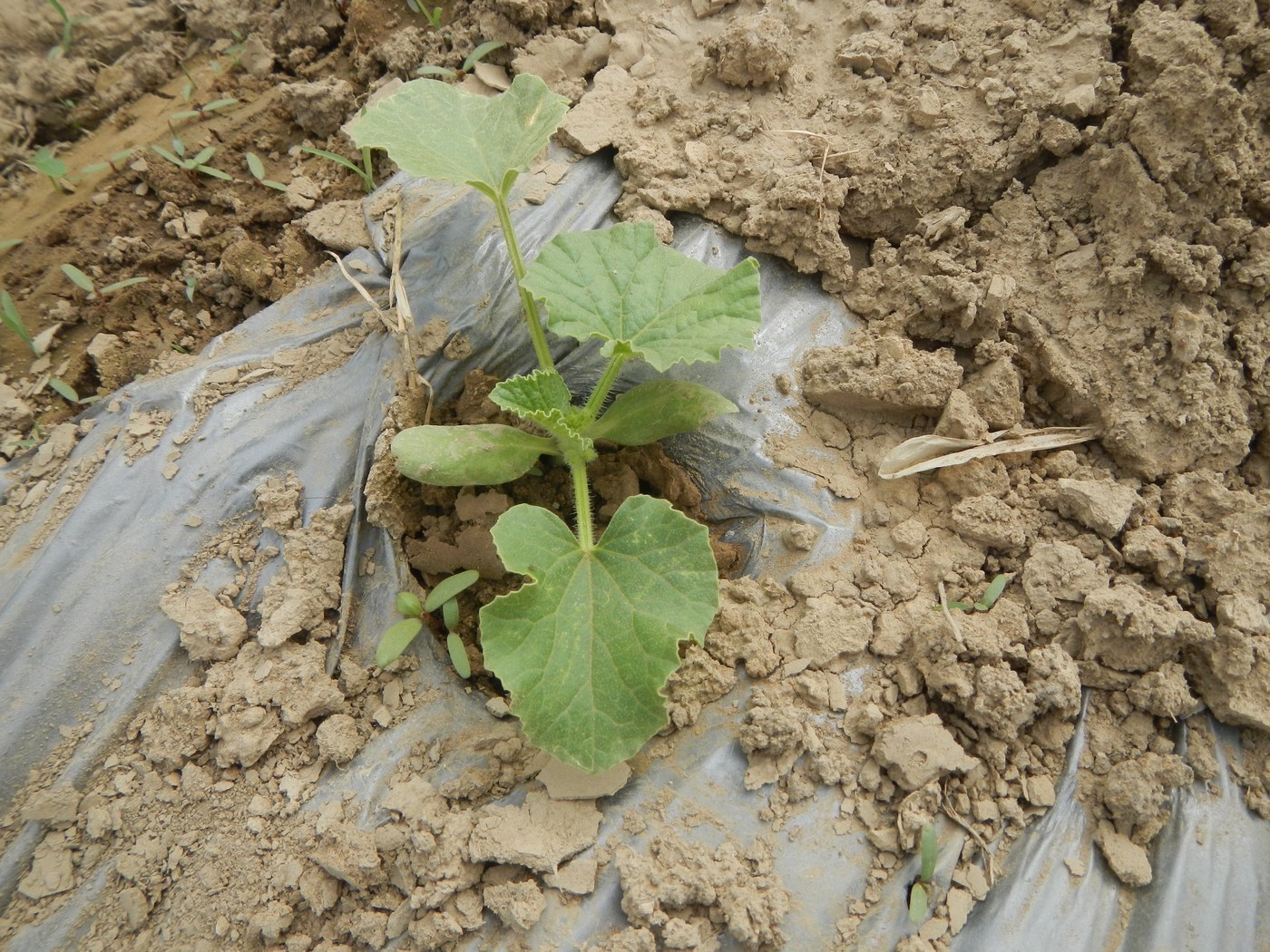
Cantaloupe (Cucumis melo var. cantalupensis) is a sprawling, warm-season annual vine grown for its ornamental trailing habit, broad lobed leaves, and cheerful yellow blossoms that mature into netted, round fruit. It is a heat-loving plant that rewards a sunny, spacious garden with vigorous growth, and is a satisfying moderate-level project for the home gardener.
Light
Cantaloupe demands full sun, at least eight hours of direct light daily. Abundant sunshine drives the strong vine growth and flowering this plant needs to develop and ripen fruit. A hot, open, unshaded site is essential; anything less than full sun produces weak vines and poor fruit set.
Water
Provide a deep weekly soak that thoroughly wets the root zone, then let the top of the soil dry slightly between waterings. Consistent moisture during vining and flowering supports healthy growth. As the fruit approaches ripeness, gradually reduce watering to encourage firmer, better-developed fruit. Water at the base rather than overhead to keep foliage dry and reduce disease.
Soil & Potting
Grow cantaloupe in rich, well-drained, sandy loam generously amended with compost. It is a heavy feeder that thrives in fertile soil with a slightly acidic to neutral pH. Plant in raised mounds or hills to improve drainage and warm the soil. If space is tight, large containers or raised beds work, provided the mix is rich, loose, and free-draining.
Humidity & Temperature
This is a true heat lover that needs warm soil and warm air to flourish and will not tolerate frost. Wait until all danger of frost has passed and the soil has warmed before planting. Warm days and nights speed growth and fruit development, while cool, damp conditions slow the plant and invite fungal problems.
Feeding
Feed cantaloupe regularly, as it is a hungry plant. Work compost or a balanced fertilizer into the soil before planting, then side-dress as vines begin to run. As flowering and fruiting begin, shift toward a fertilizer lower in nitrogen and higher in phosphorus and potassium to favor blooms and fruit over excessive leafy growth.
Propagation
Cantaloupe is grown from seed. Sow seeds directly into warm garden soil after frost danger passes, or start them indoors a few weeks earlier in biodegradable pots to avoid disturbing the sensitive roots when transplanting. Plant a few seeds per hill and thin to the strongest seedlings. Germination is fast in warm soil.
Repotting / Pruning
Cantaloupe is an annual and is not repotted in the traditional sense. Light pruning of the vine tips can direct energy into developing fruit and improve air circulation. Removing some of the latest, small fruits and side shoots late in the season helps the plant channel resources into ripening the fruit already set. Provide plenty of room for the vines to sprawl or train them onto a sturdy trellis with support for the fruit.
Common Problems & Pests
Common pests include cucumber beetles, aphids, squash bugs, and spider mites, which can weaken vines and spread disease. Powdery mildew, downy mildew, and fusarium wilt are frequent fungal issues, especially in crowded, humid, or wet conditions. Prevent problems with good spacing, base watering, crop rotation, and prompt removal of affected foliage. Poor fruit set often results from inadequate pollination, so encourage pollinators or hand-pollinate the flowers.
Seasonal Care Tips
Start seeds in late spring once the soil is warm. Through summer, keep vines well fed and watered during active growth, mulch to retain warmth and moisture, and monitor for pests. As fruits size up and near maturity in late summer, ease back on water to firm them up. Cantaloupe finishes its life cycle by the first fall frost, after which the spent vines can be cleared away.
Frequently asked questions
How much sun does cantaloupe need?
Cantaloupe needs full sun with at least eight hours of direct light per day. This heat-loving vine will not thrive or develop fruit properly in shade, so choose the hottest, sunniest spot in the garden.
How often should I water cantaloupe?
Give a deep weekly soak that wets the entire root zone during vining and flowering. As the fruit begins to ripen, gradually reduce watering to encourage firmer fruit. Always water at the base to keep the leaves dry.
Why are my cantaloupe flowers not setting fruit?
Poor fruit set is usually caused by inadequate pollination. Cantaloupe relies on pollinators to move pollen between its male and female flowers. Encourage bees with nearby flowering plants, avoid harming pollinators, and hand-pollinate if needed.
Can I grow cantaloupe in a container?
Yes, in a large container or raised bed with rich, well-draining soil. Provide full sun, consistent moisture, regular feeding, and a sturdy trellis with fruit support to save space, since the vines sprawl vigorously.