Cantaloupe
Cucumis melo var. cantalupensis
Cantaloupe is a warm-season trailing vine in the gourd family, grown for its round, netted melons. It needs long, hot summers and plenty of sun.
- Light
- Full sun, 8+ hours
- Water
- Deep weekly soak; reduce as fruit ripens
- Difficulty
- Moderate
Got a plant like this?
Identify any plant from a photo, free.
Overview
Cantaloupe is an annual, frost-tender member of the gourd family (Cucurbitaceae) grown worldwide as a melon-bearing vine. In North America the netted-skin muskmelon is usually sold as "cantaloupe," while true European cantaloupes have a rougher, warty rind.
The plant sprawls along the ground on long, branching vines and produces both male and pollen-bearing female flowers, relying on bees for pollination. Given heat and time, a single healthy vine can ripen several melons over a season.
How to identify it
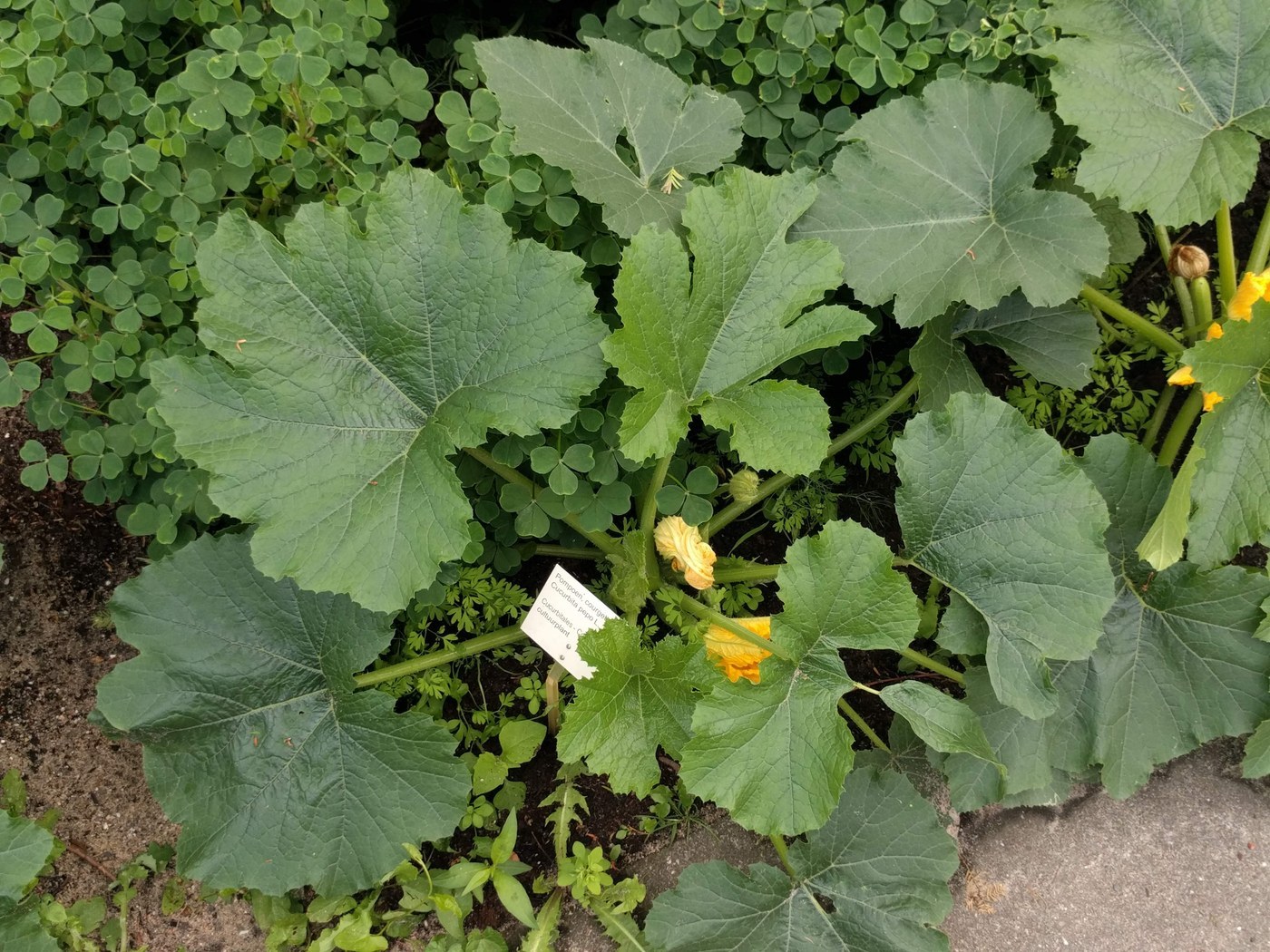
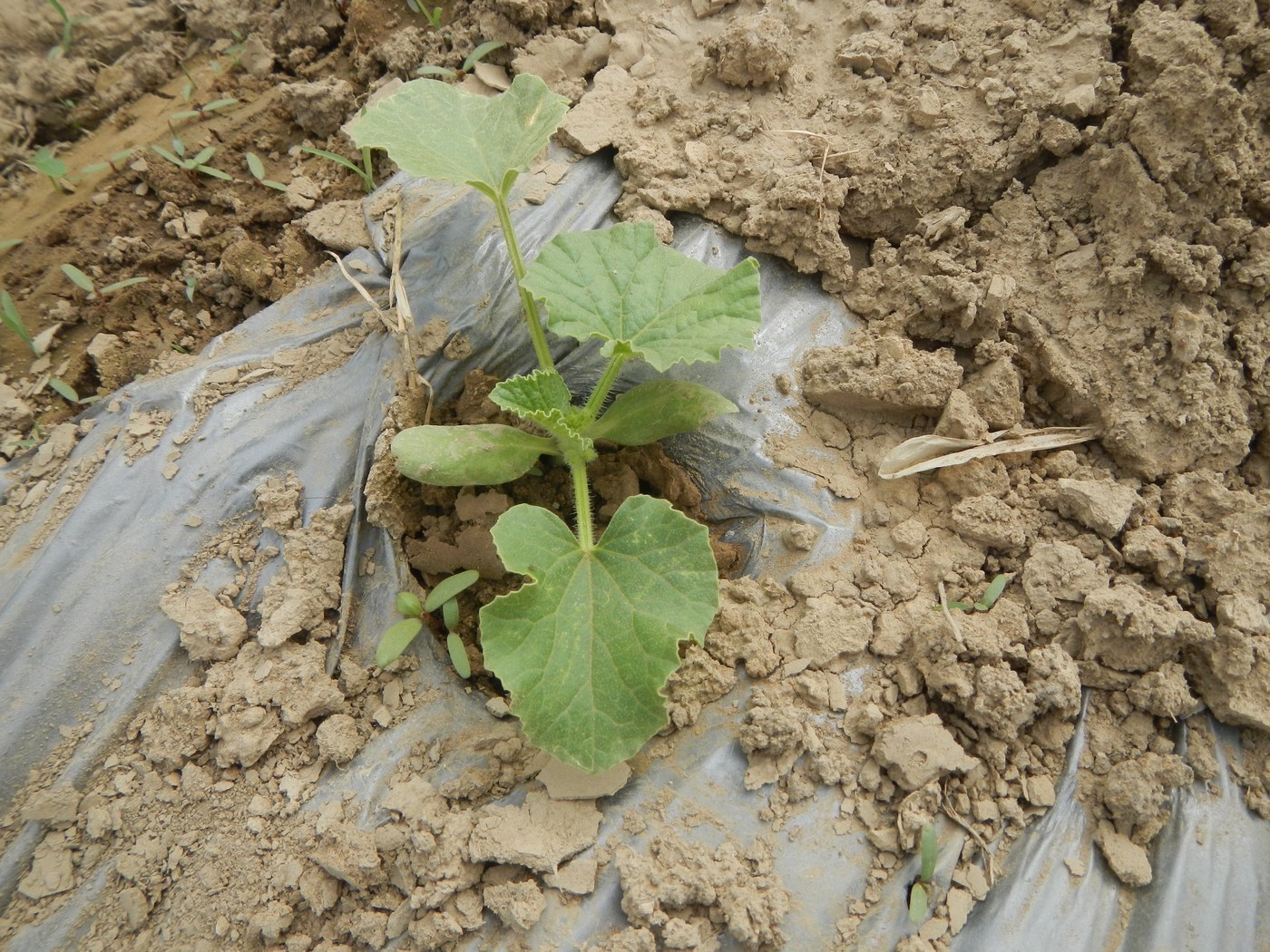
Look for a sprawling, tendril-bearing vine with broad, lobed leaves and yellow flowers.
- Leaves: Roughly heart-shaped to palmately lobed, 4-6 in across, with a slightly bristly surface
- Stems: Trailing, grooved, with coiling tendrils that anchor the vine
- Flowers: Yellow, five-petaled; separate male and female blooms (females have a small swelling at the base)
- Fruit: Round to oval, 3-6 in, with tan netted (reticulated) skin and orange flesh; ripe fruit slips easily from the stem
- Habit: Low, ground-hugging annual spreading 4-6 ft
Care & growing
Light: Full sun is essential; less than 8 hours reduces fruit development.
Water: Keep soil evenly moist while vines grow and fruit sets, then taper off as melons approach ripeness. Water at the base to avoid foliar disease.
Soil: Rich, well-drained, sandy loam with plenty of compost; pH 6.0-6.8.
Temperature: Thrives at 70-90 F; will not tolerate frost. Sow only after soil warms to 70 F.
Feeding: Feed with balanced fertilizer early, then switch to lower-nitrogen, higher-potassium feed once flowering begins.
Propagation: Grown from seed, sown directly or started indoors 3-4 weeks before the last frost.
Habitat & origin
Cantaloupe descends from wild melons of Africa and southwest Asia and was domesticated long ago across Persia and the Mediterranean. The name comes from Cantalupo, a former papal estate near Rome.
Today it is a major commercial crop in hot regions including California, Arizona, Texas, Spain, and Central America. Home gardeners grow it anywhere with a reliably warm, 80-90 day frost-free season.
Frequently asked questions
How can I identify a cantaloupe vine?
Look for a low, sprawling annual with coiling tendrils, broad lobed and slightly bristly leaves, yellow five-petaled flowers, and round netted fruit.
Can I grow cantaloupe vertically?
Yes, on a sturdy trellis, but you must support each developing melon in a sling (like an old shirt or netting) so the heavy fruit doesn't tear from the vine.
How long does cantaloupe take to mature?
Most varieties mature 75-90 days after sowing, requiring consistent warmth throughout that window.
What growing conditions does cantaloupe need?
It needs full sun, rich well-drained sandy loam, even moisture as vines develop, and warm soil above 70 F, since it is frost-tender.
Cantaloupe guides
In-depth guides for identifying, growing, and caring for Cantaloupe.
How to Care for Cantaloupe
Grow Cantaloupe (Cucumis melo var. cantalupensis), a warm-season trailing vine that needs full sun, heat, rich soil, and steady water to thrive.
Cantaloupe Identification Guide
A practical guide to identifying the cantaloupe (muskmelon) vine, its sprawling stems, lobed leaves, yellow flowers, and netted fruit.