
How to Care for Cardamom
Grow lush tropical cardamom for its glossy fragrant foliage. A demanding plant that wants warmth, humidity, dappled light, and steady moisture.
Read the full Cardamom encyclopedia entry →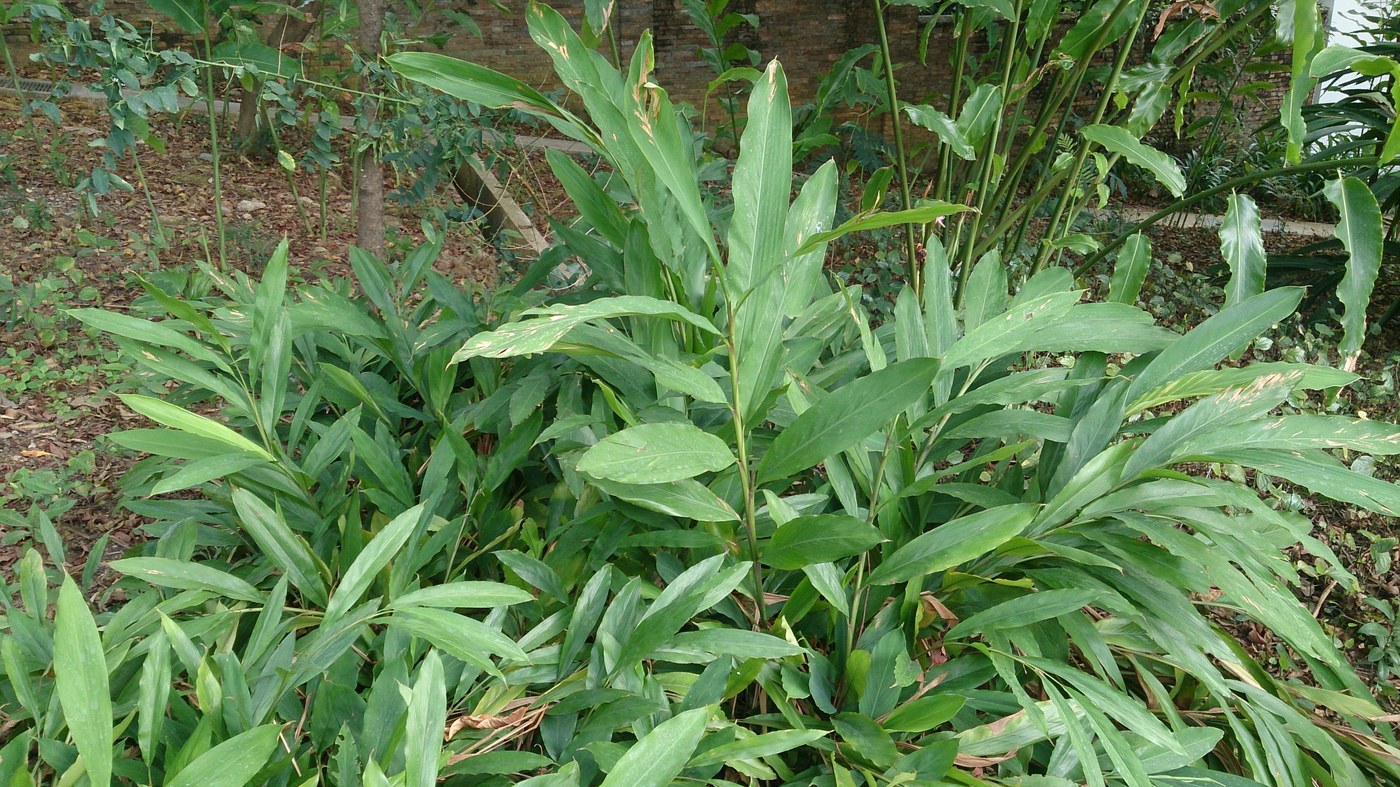
Cardamom (Elettaria cardamomum) is a clumping tropical rhizomatous plant native to the humid understory of Indian and Sri Lankan forests, prized as an ornamental for its tall, arching canes of glossy, aromatic lance-shaped leaves. It is a demanding plant to grow well because it insists on constant warmth, high humidity, dappled light, and evenly moist soil, so plan to recreate a rainforest microclimate.
Light
Provide bright indirect light to part shade. In nature cardamom grows beneath a forest canopy, so it thrives in filtered or dappled light and dislikes harsh direct sun, which scorches and yellows the foliage. Indoors, an east-facing window or a spot set back from a bright window is ideal.
Water
Keep the soil consistently moist at all times; this plant does not tolerate drying out. Water regularly and thoroughly so the root zone stays evenly damp but never waterlogged, and reduce frequency slightly in cooler months while still preventing the soil from drying. Use room-temperature water and empty any saucer so roots do not sit in standing water.
Soil & Potting
Grow in a rich, humus-heavy, moisture-retentive but well-draining mix. A blend of quality potting soil with added compost or leaf mold plus some perlite or bark for aeration mimics its native forest floor. Choose a wide, deep container to accommodate the spreading rhizomes and provide drainage holes.
Humidity & Temperature
High humidity is essential; aim for 60 percent or more. Group plants, use a pebble-humidity tray, run a humidifier, or mist regularly to keep the air moist, and avoid dry, drafty locations. Cardamom wants warm, stable temperatures, roughly 18 to 30 C, and is very frost-sensitive, so protect it from any chill and cold drafts.
Feeding
Cardamom is a hungry grower during the warm season. Feed every two to four weeks through spring and summer with a balanced liquid fertilizer, or work slow-release feed and organic matter into the soil. Ease off feeding in the cooler, low-light months when growth slows.
Propagation
The easiest method is division of the rhizome clump. Lift an established plant and separate healthy sections, each bearing a few canes and roots, then pot them into rich, moist mix and keep warm and humid until they establish. Cardamom can also be raised from fresh seed, but germination is slow and erratic and needs sustained warmth and humidity.
Repotting / Pruning
Repot every one to two years in spring as the rhizomes fill the container, moving up a pot size and refreshing the soil. Prune out any old, tired, or damaged canes at the base to make room for new shoots, and remove yellowing leaves to keep the clump tidy and encourage fresh growth.
Common Problems & Pests
Brown, crispy leaf edges signal air that is too dry or inconsistent watering, so raise humidity and keep moisture steady. Yellowing can come from too much direct sun, cold exposure, or soggy roots. Watch for spider mites, which flourish in dry air, along with scale, mealybugs, and aphids; rinse foliage, raise humidity, and treat infestations promptly with insecticidal soap.
Seasonal Care Tips
In spring and summer, give bright indirect light, steady moisture, regular feeding, and extra humidity during active growth, and divide or repot as needed. In fall and winter, growth slows: reduce feeding, water a little less often while never letting the soil dry, and be especially vigilant about protecting the plant from cold drafts, heating-dried air, and any risk of frost.
Frequently asked questions
Why is cardamom considered hard to grow?
It demands a rainforest-like microclimate: constant warmth, high humidity above 60 percent, filtered light, and soil that stays evenly moist. Falling short on any of these, especially humidity, quickly causes browning and decline, which is why it is challenging indoors.
Why are my cardamom leaf tips turning brown?
Brown, crispy tips almost always mean the air is too dry or watering has been inconsistent. Boost humidity with a humidifier or pebble tray and keep the soil steadily moist rather than letting it swing between wet and dry.
How much light does cardamom need?
Bright indirect light to part shade. As a forest-understory plant it grows best in dappled or filtered light and will scorch in harsh direct sun, so keep it near but not directly in a bright window.
How do I propagate cardamom?
Division is easiest. Lift a mature clump, separate sections that each have a few canes and healthy roots, pot them in rich moist mix, and keep them warm and humid until new growth appears.
Does cardamom need to be repotted often?
Repot every one to two years in spring once the rhizomes crowd the pot. Move to a slightly larger, wide container and refresh the rich, moisture-retentive soil to keep the clump vigorous.