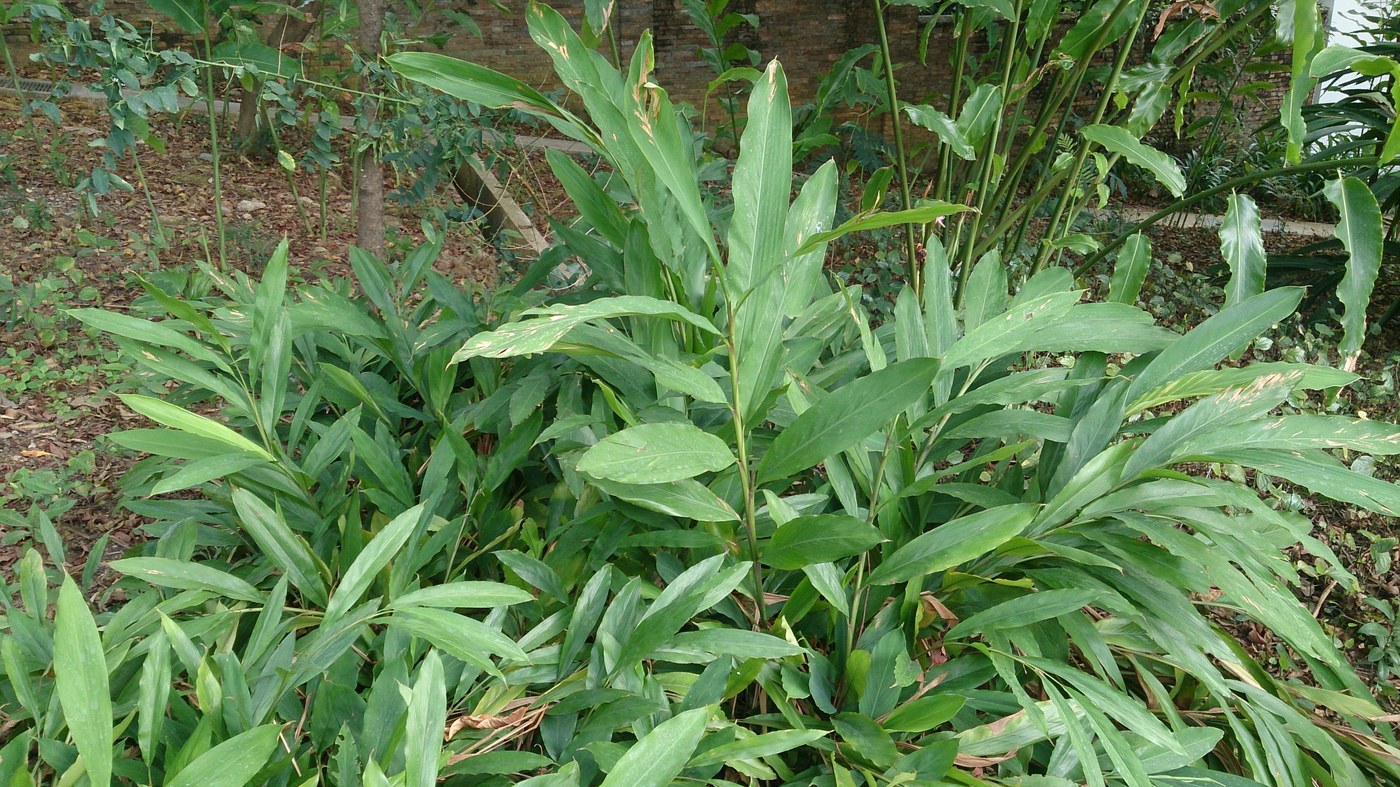
Cardamom
Elettaria cardamomum
Cardamom is a tropical, shade-loving relative of ginger grown for its aromatic seed pods. A spice plant, it needs warmth, humidity and patience.
- Light
- Bright indirect light to part shade
- Water
- Regular; keep consistently moist
- Difficulty
- Hard
Got a plant like this?
Identify any plant from a photo, free.
Overview
Cardamom is a large, tropical perennial in the ginger family (Zingiberaceae), forming clumps of tall leafy shoots 2-4 m (6-13 ft) high from a fleshy rhizome. It is grown for its small green seed pods.
Often called the 'queen of spices', green cardamom is among the most valuable spices in the world by weight. It is a true understory plant, naturally growing in the dappled shade of tropical forests, which makes it challenging to cultivate outside warm, humid climates.
How to identify it
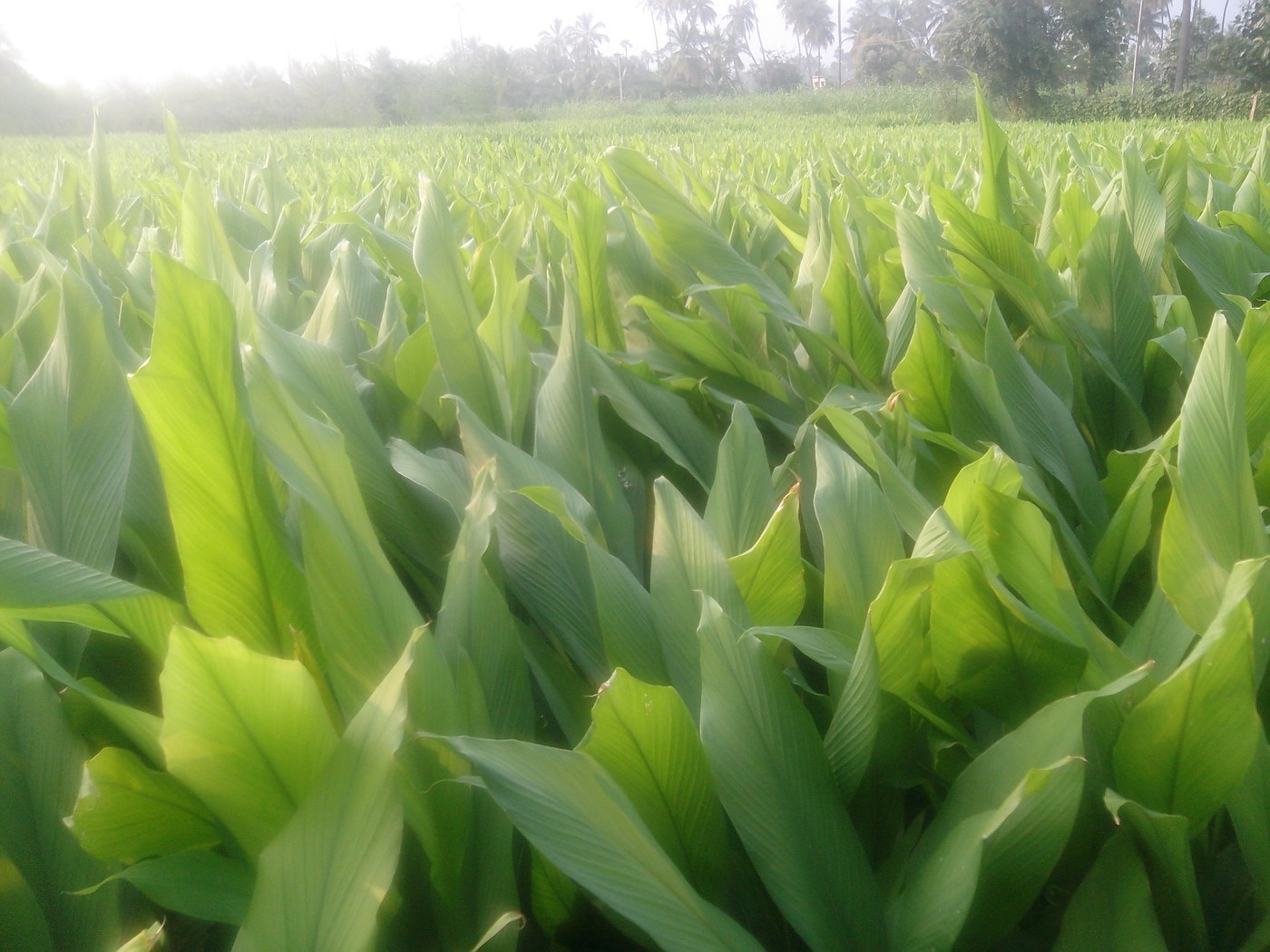
- Leaves: Long, lance-shaped, deep green, arranged in two ranks on tall reed-like shoots
- Habit: Clumping perennial 2-4 m tall arising from a thick rhizome
- Flowers: Small white flowers with violet-streaked lips, borne on separate low flowering stems that sprawl along the ground
- Fruit: Small, three-sided green pods, each holding several black-brown seeds
- Aroma: Warm, pungent and camphor-like
Care & growing
- Light: Bright indirect light to partial shade; it scorches in direct tropical sun
- Water: Regular; keep the soil consistently moist and never let it fully dry
- Soil: Rich, humus-heavy, well-drained soil
- Temperature: Strictly tropical, warm and humid (zones 10-11); protect from any frost and from cold drafts
- Feeding: Feed during the growing season; it is a hungry plant
- Propagation: By rhizome division or from fresh seed; plants take several years to begin fruiting
Habitat & origin
Cardamom is native to the moist evergreen forests of the Western Ghats in southern India and nearby Sri Lanka, where it grows as a forest-floor understory plant in warm, humid shade.
It is cultivated commercially in India, Sri Lanka, and most heavily in Guatemala, which is now the world's largest producer, as well as other tropical regions. Outside the tropics it can only be grown as a tender container or greenhouse plant.
Frequently asked questions
Why is cardamom so expensive?
The pods ripen unevenly and must be hand-picked over several pickings, the plants take years to fruit, and they require specific tropical, shaded growing conditions, all of which make it labor-intensive and costly.
What is the difference between green and black cardamom?
Green cardamom (Elettaria cardamomum) is the true cardamom of this entry. Black cardamom comes from larger, related Amomum species.
Can I grow cardamom at home?
Only in a warm, humid, shaded environment. Outside the tropics it must be a greenhouse or houseplant, and even then fruiting is difficult and slow.
Cardamom guides
In-depth guides for identifying, growing, and caring for Cardamom.
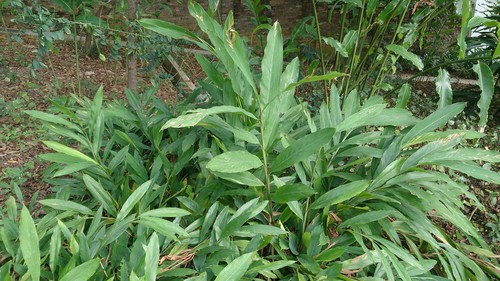
How to Care for Cardamom
Grow lush tropical cardamom for its glossy fragrant foliage. A demanding plant that wants warmth, humidity, dappled light, and steady moisture.
Cardamom Identification Guide
Identify green cardamom by its tall reed-like leafy shoots, long lance-shaped aromatic leaves, sprawling flower stalks at ground level, and ribbed three-sided green seed pods.