
Carnation Identification Guide
Identify carnations by their fringed-edged ruffled flowers, narrow blue-green leaves, swollen stem nodes, and clove-like fragrance.
Read the full Carnation encyclopedia entry →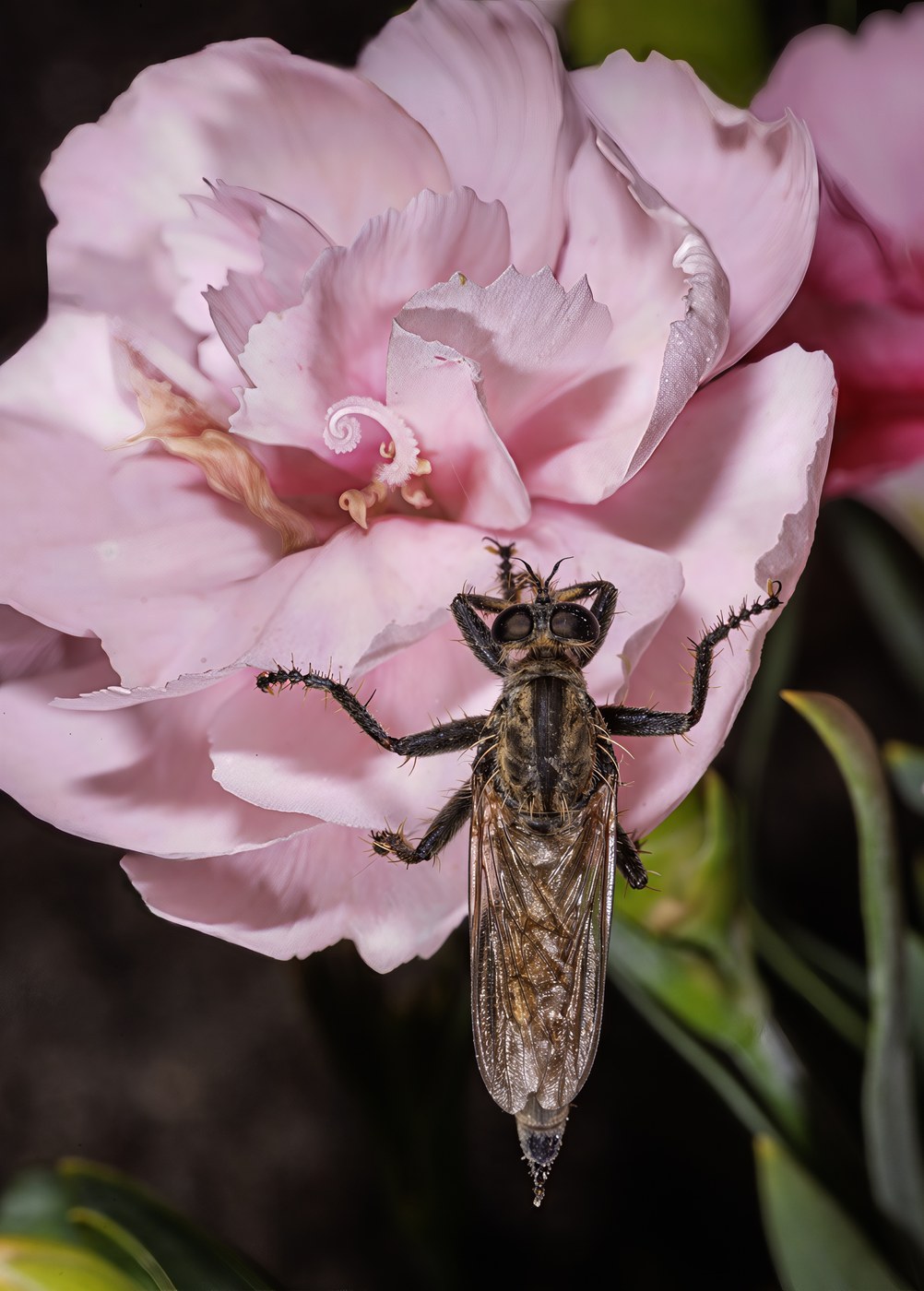
Key Identifying Features
Carnations (Dianthus caryophyllus) and their pink relatives are perennials in the pink family. Identify them by:
- Ruffled, many-petaled flowers whose petal edges are toothed or fringed (notched)
- A sweet, spicy clove-like fragrance in many varieties
- Narrow, grass-like blue-green (glaucous) leaves in opposite pairs
- Swollen, jointed nodes along smooth slender stems
- A cylindrical green calyx tube with small bracts at its base
Leaves & Stems
Carnation leaves are linear to lance-shaped, opposite, and waxy blue-green, clasping the stem at conspicuously swollen nodes that look like joints. The stems are slim, smooth, and somewhat brittle, often branching near the top. Plants form low clumps or mounds and may grow 30-80 cm tall. The bluish, waxy foliage coating is a useful family trait shared with other Dianthus (pinks and sweet williams).
Flowers & Fruit
The flower is the surest clue. Wild and single forms have five petals, but florist carnations are heavily doubled with dozens of petals packed into a ruffled pom. The defining detail is the fringed or serrated petal margin, which gives the bloom its frilly look. Each flower sits atop a narrow cylindrical calyx tube subtended by a few small epicalyx bracts. Colors include pink, red, white, yellow, purple, and striped or picotee-edged bicolors. Bloom season is late spring through summer, and the scent is classically clove-like (the species name caryophyllus refers to clove). Fruit is a small capsule releasing flattened seeds.
How to Tell It Apart from Look-Alikes
- Sweet William (Dianthus barbatus) is a close relative with broader leaves and dense flat-topped clusters of smaller flowers.
- Garden pinks (other Dianthus) are smaller and often more deeply fringed but share the swollen nodes and blue-green leaves.
- Roses sometimes look similar when doubled but have woody, thorny stems and compound toothed leaves, never the slim jointed carnation stem.
- The carnation signature is fringed-petaled fragrant flowers above a calyx tube, on jointed stems with narrow blue-green leaves.
Where You'll Find It
Carnations are grown in gardens, borders, and especially the cut-flower trade, where their long vase life is prized. Native to the Mediterranean, they thrive in full sun and well-drained, slightly alkaline soil and tolerate some drought.
Quick ID Checklist
- Ruffled flowers with fringed or toothed petal edges
- Clove-like spicy fragrance
- Narrow, opposite, blue-green waxy leaves
- Swollen jointed stem nodes
- Cylindrical calyx tube with small bracts at base
- Blooms late spring to summer
Frilly fringed-edged fragrant flowers on jointed stems with slim blue-green leaves identify a carnation.
Frequently asked questions
What's the easiest way to recognize a carnation?
Look at the petal edges: carnations have distinctly fringed or toothed petal margins giving a ruffled look, paired with a clove-like scent and narrow blue-green leaves on jointed stems.
Are carnations and pinks the same thing?
They are closely related members of the genus Dianthus. Carnations (D. caryophyllus) are larger and often doubled, while 'pinks' are smaller-flowered Dianthus, named for their fringed 'pinked' petal edges, not the color.
Why do carnation stems have bumps?
Those are swollen nodes where the paired leaves attach. The jointed, knobby stem is a hallmark of carnations and other members of the pink family.
Do all carnations smell like cloves?
Many heirloom and species carnations have a strong spicy clove fragrance, but some modern florist varieties bred for color and vase life have little or no scent.