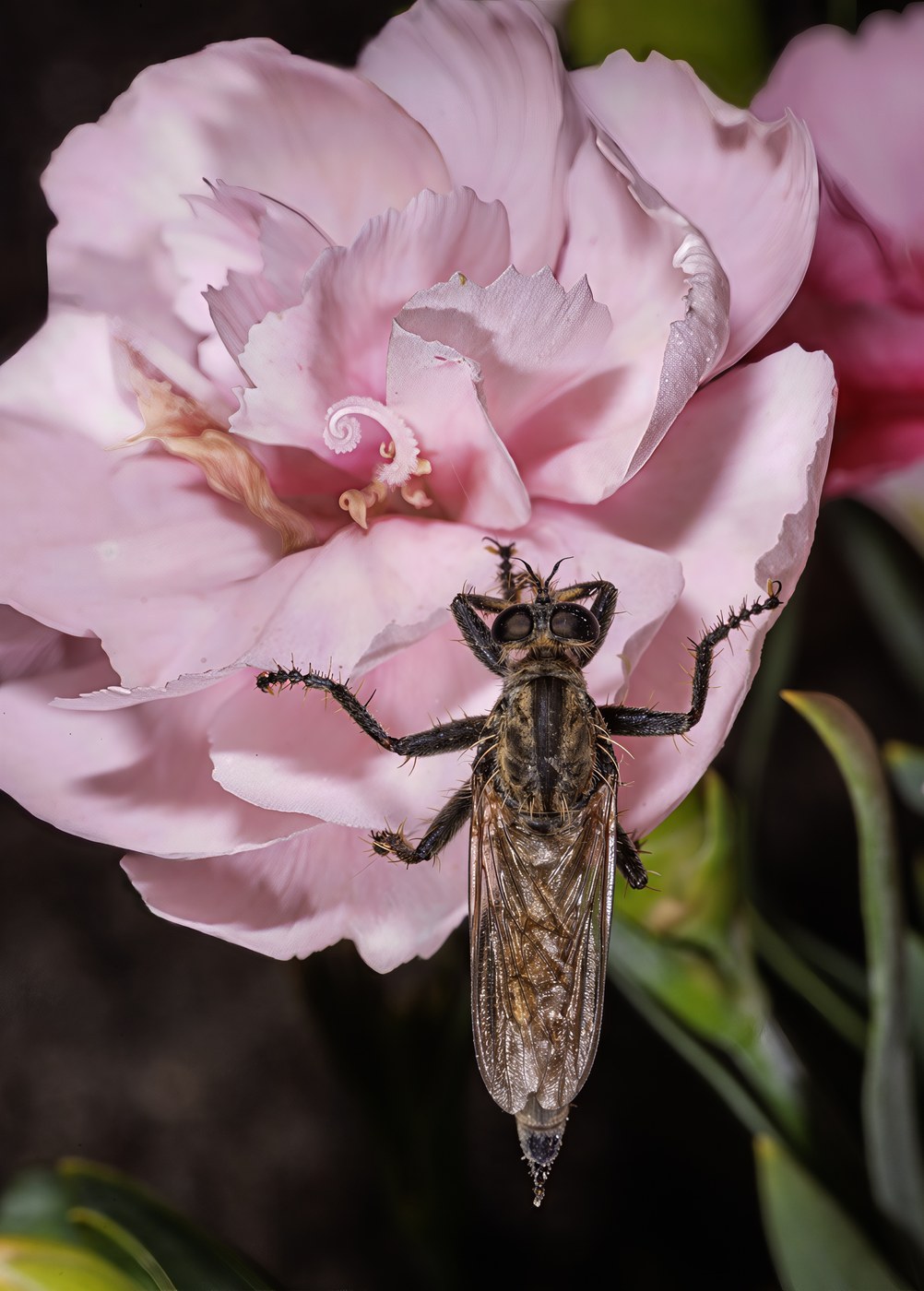
Carnation
Dianthus caryophyllus
A classic frilled flower with a spicy, clove-like scent, available in many colors and prized as a long-lasting cut flower. Carnations like sun and well-drained soil.
- Light
- Full sun
- Water
- Moderate; let topsoil dry
- Difficulty
- Moderate
Got a plant like this?
Identify any plant from a photo, free.
Overview
Carnations are perennial flowering plants long cultivated for their ruffled, many-petaled blooms and spicy clove fragrance. They are one of the world's most important commercial cut flowers.
Growing from slender, blue-green grassy foliage, they bear blooms in nearly every color, from classic pink, red, and white to striped and dyed novelty shades.
Valued for their long vase life and rich symbolism, carnations are a florist staple for bouquets, boutonnieres, and arrangements such as Mother's Day flowers.
How to identify it
Recognize a carnation by:
- Flowers: Rounded, densely double blooms with fringed (toothed) petal edges, often clove-scented.
- Foliage: Narrow, grassy, blue-green leaves on jointed, slightly swollen-noded stems.
- Habit: Clumping perennial, with florist types reaching 1-2 feet and border pinks staying shorter.
- Stems: Slender, smooth, with distinctly thickened joints (nodes).
- Scent: A characteristic spicy, clove-like fragrance in many varieties.
Care & growing
Carnations prefer sun, airflow, and lean, sweet soil.
- Light: Full sun, at least 5-6 hours daily.
- Water: Water moderately and let the topsoil dry between; avoid wetting foliage to prevent fungal disease.
- Soil: Fertile, well-drained, neutral to slightly alkaline soil; good airflow reduces rot.
- Temperature: Prefer cool to mild conditions; many florist types are grown under glass.
- Feeding: Feed lightly during the growing season for steady bloom.
- Propagation: Propagate from cuttings or seed; pinch and deadhead to encourage branching and more flowers.
Habitat & origin
Dianthus caryophyllus is believed native to the Mediterranean region, though its exact wild origin is obscured by over 2,000 years of cultivation.
Today carnations are grown worldwide, both in gardens and on a vast commercial scale in greenhouses, with major cut-flower production in countries such as Colombia, Kenya, and the Netherlands. They are the national flower of Spain and other countries.
Frequently asked questions
Why do carnations last so long as cut flowers?
Carnations have sturdy petals and a naturally long vase life, often 1-2 weeks, especially with fresh water and stems cut at an angle above a node.
How are carnations dyed unusual colors?
Many novelty blue, green, or rainbow carnations are white blooms whose stems have absorbed colored water or dye, rather than naturally pigmented flowers.
Are carnations annual or perennial?
Carnations are technically tender perennials, but they are often grown as annuals or biennials in gardens, especially in colder climates.
Carnation guides
In-depth guides for identifying, growing, and caring for Carnation.
How to Care for Carnation
Grow Carnations for their ruffled, clove-scented blooms; they reward full sun, gritty alkaline soil, and steady deadheading.
Carnation Identification Guide
Identify carnations by their fringed-edged ruffled flowers, narrow blue-green leaves, swollen stem nodes, and clove-like fragrance.