
Carrot Identification Guide
Identify the carrot plant (Daucus carota) by its finely divided fern-like leaves, lacy white flower umbels, and tapering orange taproot. Covers the botanical differences from look-alike umbel plants like hemlock.
Read the full Carrot encyclopedia entry →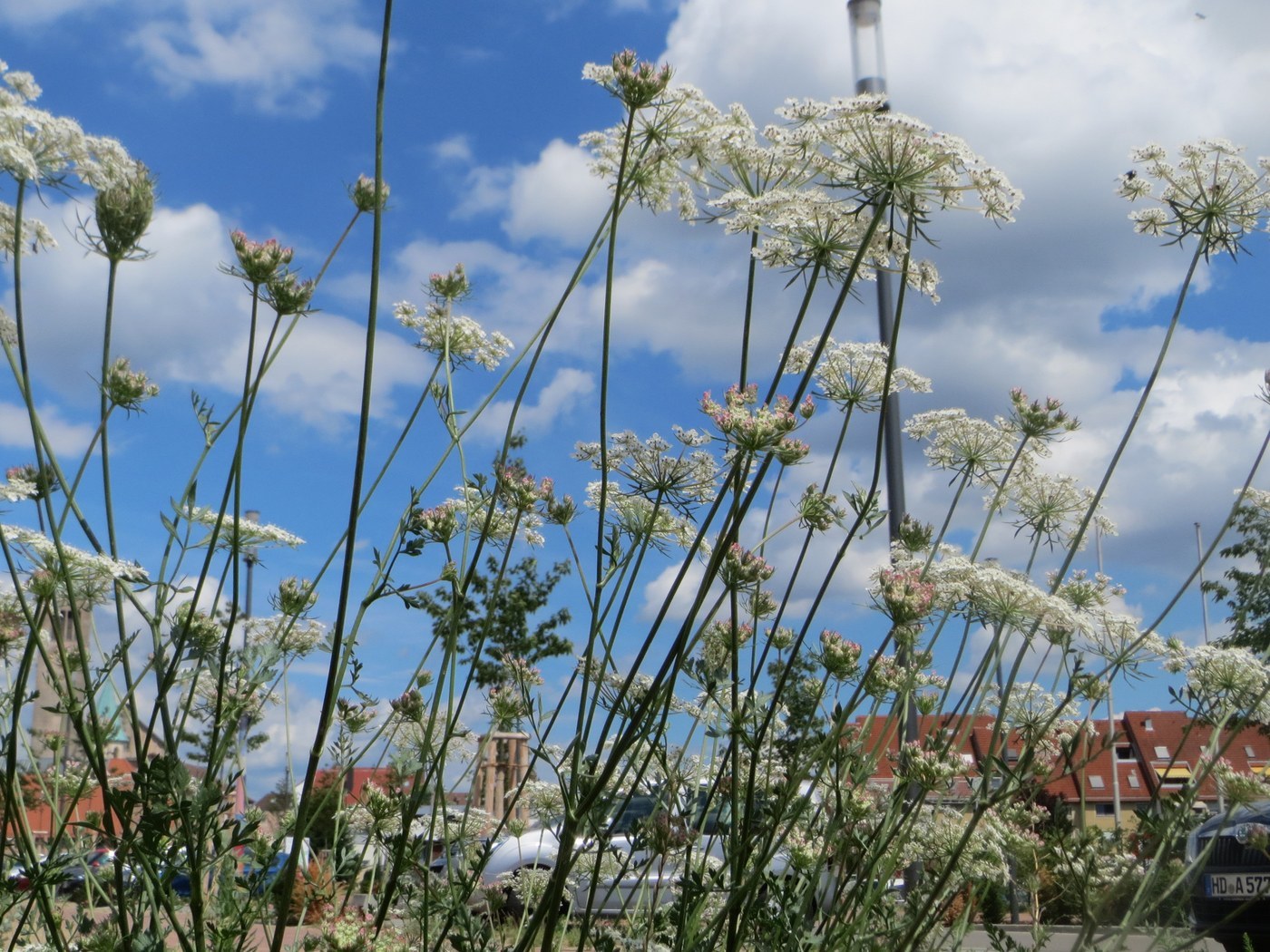
Key Identifying Features
The carrot (Daucus carota, including the cultivated subsp. sativus) belongs to the carrot/parsley family (Apiaceae). It is grown for its taproot. Identify it by:
- Finely divided, fern-like (feathery) leaves with a carrot smell when crushed
- A tapering orange (or purple/white/yellow) taproot
- A flat-topped lacy white flower head (umbel) in its second year
- Hairy, ridged, solid green stems (unlike the purple-blotched stems of hemlock)
Leaves & Stems
Leaves are alternate and highly dissected (tripinnate), cut into many tiny, narrow segments giving a soft, ferny, feathery appearance in a basal rosette. Crushing the foliage releases a clear 'carrot' aroma, a key ID check. The flower stems are green, solid, finely ridged, and covered in short bristly hairs. Carrot stems are uniformly green and hairy, unlike the smooth, hairless, purple-spotted stems of hemlock. The signature feature underground is the swollen taproot: long, tapering, typically bright orange (also purple, red, yellow, or white in heritage types), with a carrot scent.
Flowers & Fruit
In its second year (it's biennial), the carrot sends up a stalk topped by a compound umbel a broad, flat to slightly domed, lacy cluster of tiny white flowers (the wild form is 'Queen Anne's lace'). A classic detail: there is often a single tiny dark purple/red floret at the very center of the white head. As seeds form, the umbel curls inward into a concave 'bird's nest' shape. The seeds are small, ribbed, and bristly. Cultivated carrots are usually lifted in their first year before flowering.
How to Tell It Apart from Look-Alikes
- Hemlock (Conium maculatum): also has ferny leaves and white umbels but has smooth, hairless stems with purple/red blotches and a musty smell. Carrot stems are hairy, solid green, and smell of carrot.
- Wild parsnip / Queen Anne's lace: Queen Anne's lace is wild carrot itself (white root, carrot smell); parsnip has yellow flowers and broad leaflets.
- Fool's parsley / water hemlock: other look-alike Apiaceae always confirm hairy stems + carrot scent.
Where You'll Find It
Cultivated carrots grow in vegetable gardens and farms in deep, loose, sandy soil as a cool-season root crop, sown directly from seed in rows. The wild form (Queen Anne's lace) is widespread in meadows, roadsides, and disturbed ground across temperate regions. Roots are pulled in the first year; flowering occurs if left a second season.
Quick ID Checklist
- Feathery, fern-like dissected leaves with a carrot smell
- Tapering orange (or colored) taproot
- Hairy, ridged, solid green stems never smooth with purple spots
- Flat lacy white umbel, often with one dark central floret
- Seed head curls into a 'bird's nest'
- Biennial; leafy rosette in year one, flowers in year two
Frequently asked questions
How do I tell a carrot plant from hemlock?
Carrot stems are solid green and hairy, and the crushed foliage smells of carrot. Hemlock has smooth, hairless stems with purple or red blotches and a musty smell. Stem texture, color, and scent are the most reliable visual differences.
Is Queen Anne's lace the same as a carrot?
Yes Queen Anne's lace is wild carrot (Daucus carota). It has a pale, carrot-scented taproot and the same lacy white flower head, often with a single dark floret in the center.
Why don't my garden carrots flower?
Carrots are biennial: they grow the leafy rosette and store the root in year one, then flower in year two. Most are grown for a single season and lifted before they ever bloom.
Are carrots always orange?
No. While orange is most common, carrots also come in purple, red, yellow, and white. The tapering taproot shape and feathery carrot-scented leaves identify the plant regardless of root color.