Carrot
Daucus carota
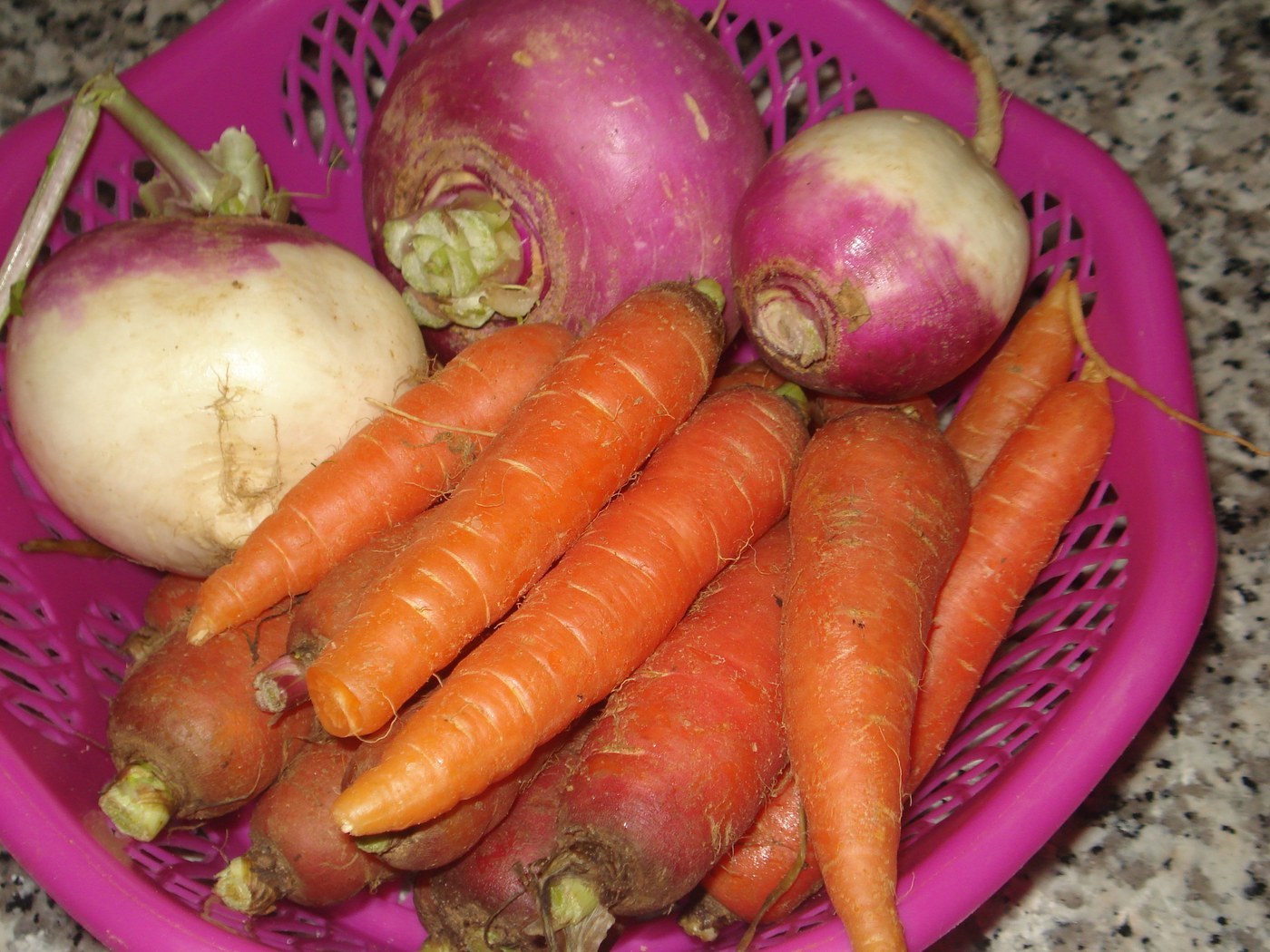
The carrot is a popular root vegetable grown for its taproot, most familiar in orange but also available in purple, red, yellow, and white. It is a biennial usually harvested in its first year.
- Light
- Full sun to light shade
- Water
- Even, regular moisture
- Difficulty
- Easy
Got a plant like this?
Identify any plant from a photo, free.
Overview
Daucus carota subsp. sativus is a biennial in the carrot family (Apiaceae) grown for its taproot. Cultivated carrots are usually harvested in the first season, before the plant flowers in its second year.
The wild form, known as Queen Anne's lace, has a thin, tough, pale root; centuries of selection produced the swollen, brightly colored roots grown today. Orange carrots, now the most familiar, were popularized relatively recently in the Netherlands.
Carrots are a cool-season crop valued for ease of growing and long storage.
How to identify it
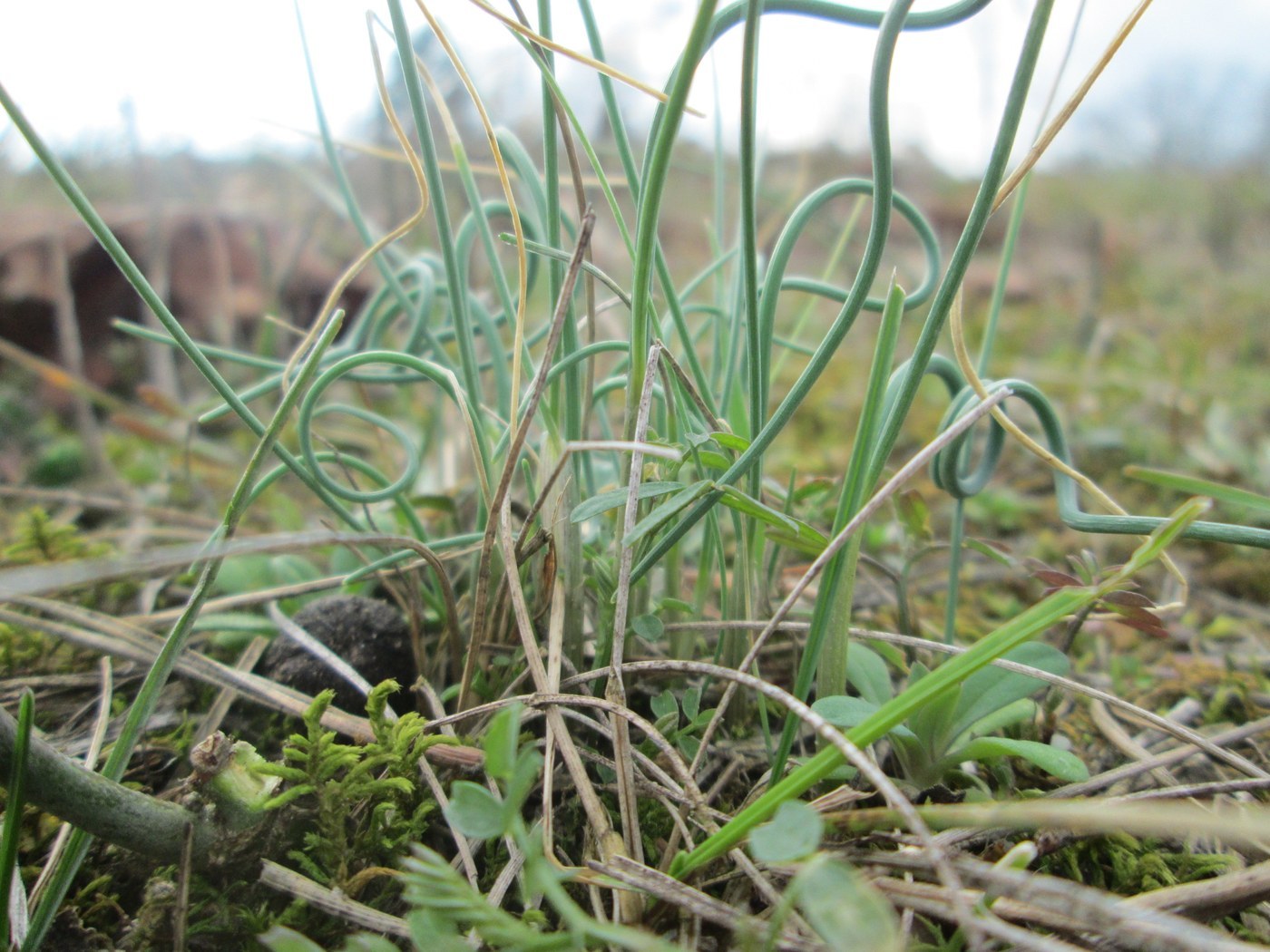
- Feathery, finely divided fern-like leaves on a low rosette
- A tapering, fleshy taproot in orange, purple, red, yellow, or white
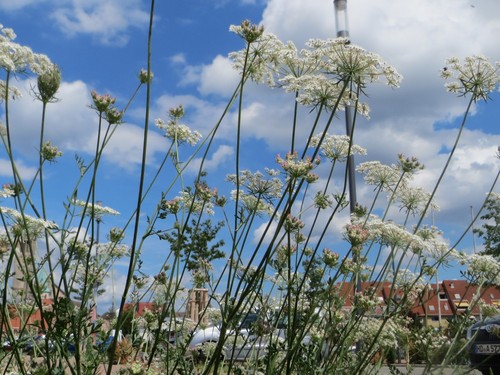
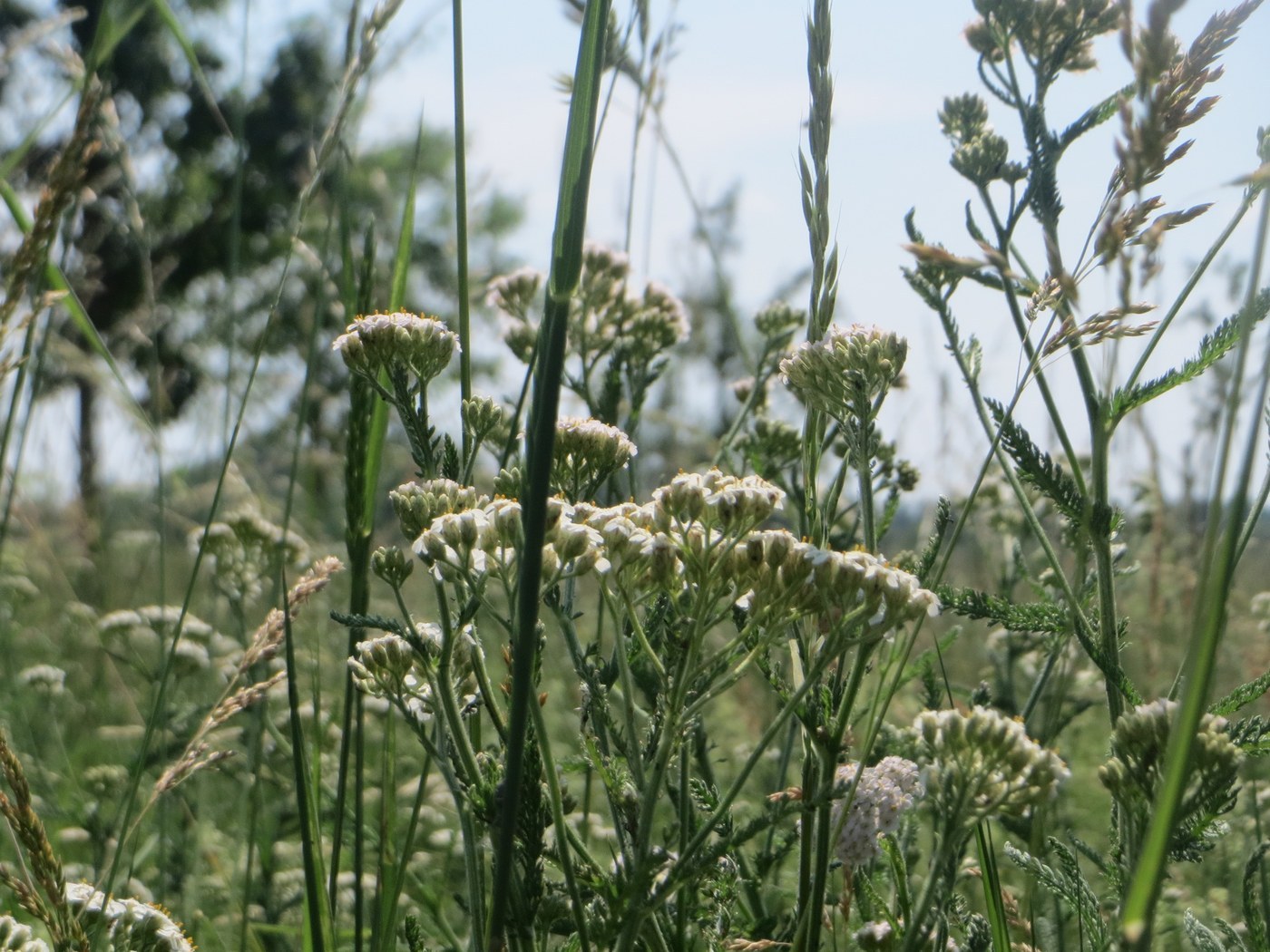
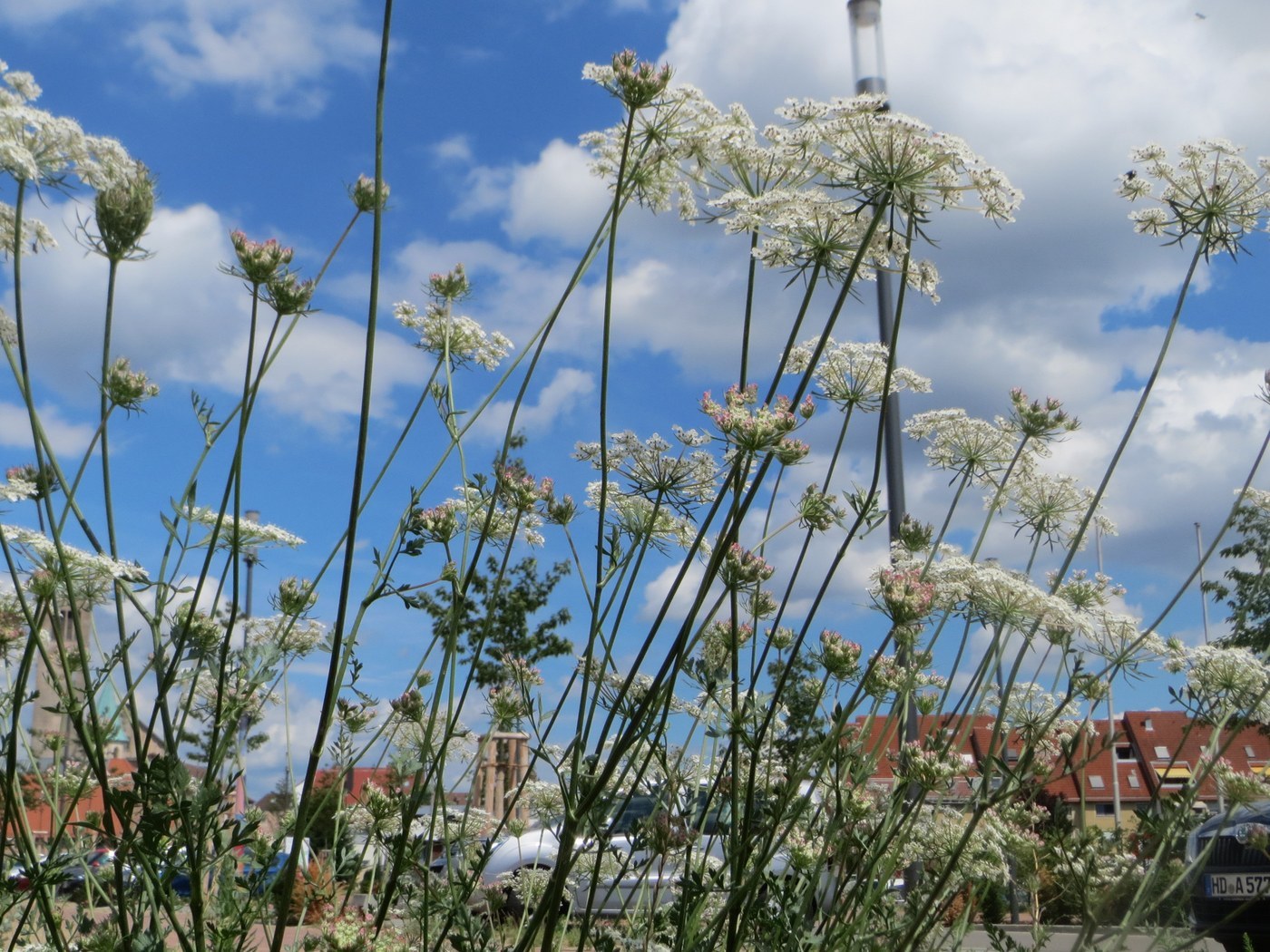
- In the second year, a tall stalk topped by a flat umbel of tiny white flowers
- A central reddish-purple floret often present in the wild-type flower cluster
- Aromatic foliage with a characteristic carrot scent
Care & growing
Light: Full sun to light shade.
Water: Even, regular moisture; inconsistent watering causes splitting and forking.
Soil: Deep, loose, stone-free, sandy soil is essential - heavy or rocky soil produces forked, stunted roots.
Temperature: Cool-season crop; roots size up best in cool weather.
Feeding: Avoid fresh manure and high nitrogen, which cause hairy, forked roots; use balanced, low-nitrogen feeding.
Propagation: Sow seed directly where they will grow, as carrots resent transplanting; thin seedlings for room to size up.
Habitat & origin
The wild carrot is native to Europe and southwestern Asia and is now naturalized across temperate regions worldwide, where it grows in meadows, roadsides, and disturbed ground as Queen Anne's lace.
The cultivated carrot is grown globally as a cool-season vegetable in home gardens and on a large commercial scale.
Frequently asked questions
Why are most carrots orange?
Orange carrots were selectively bred and popularized in the Netherlands; carrots also come in purple, red, yellow, and white.
Why are my carrots forked or stunted?
Usually rocky, heavy, or freshly manured soil. Grow them in deep, loose, stone-free soil and avoid high-nitrogen amendments.
How do I identify carrot foliage?
Carrots form a low rosette of feathery, finely divided fern-like leaves with a characteristic carrot scent, and in their second year send up a tall stalk topped by a flat umbel of tiny white flowers.
What soil do carrots need?
Deep, loose, stone-free, sandy soil with even moisture, grown in cool-season conditions for the straightest roots.
Carrot guides
In-depth guides for identifying, growing, and caring for Carrot.