How to Care for Catalpa Tree
Grow the Catalpa Tree for bold heart-shaped leaves and showy summer blooms. An easy, fast, adaptable shade tree for full sun.
Read the full Catalpa Tree encyclopedia entry →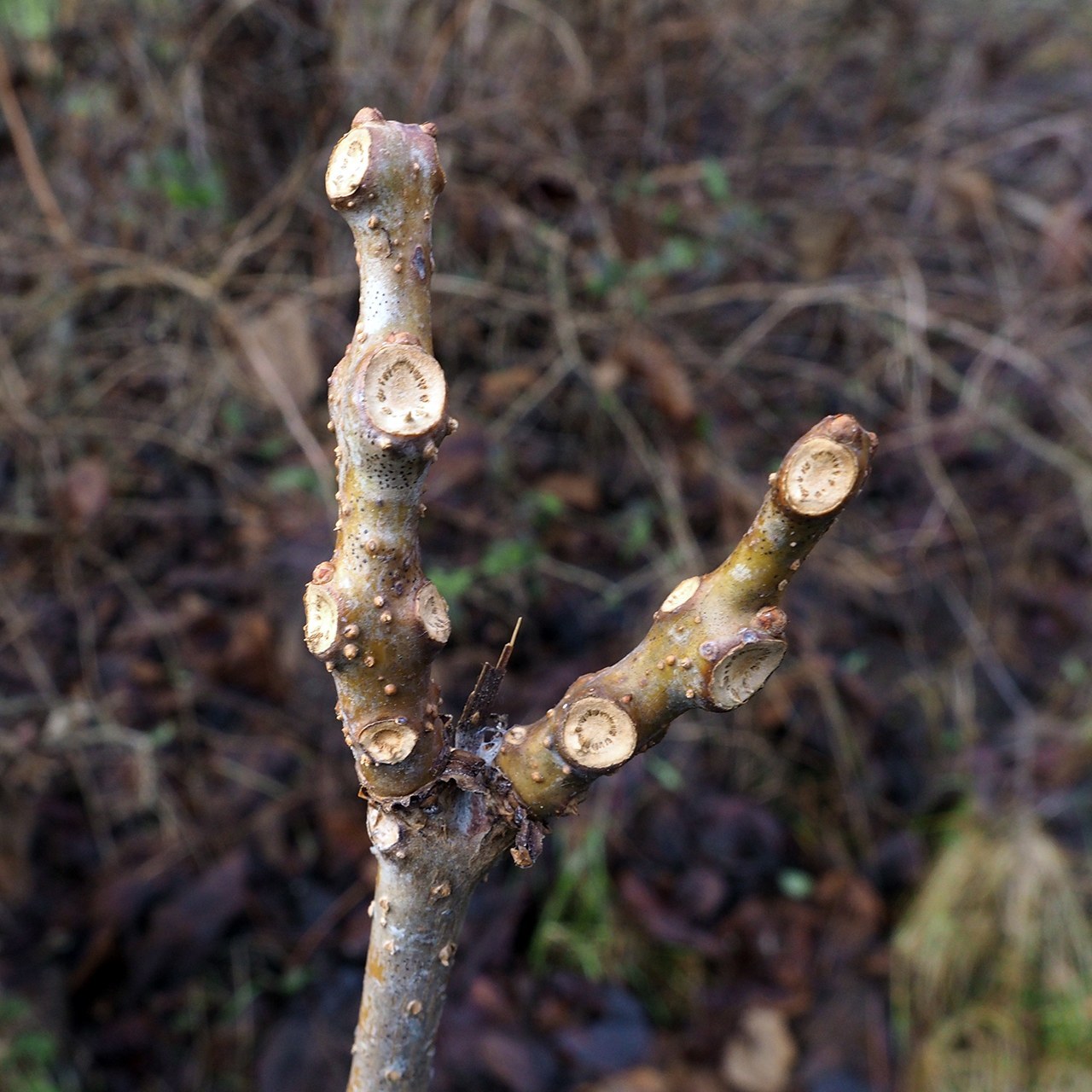
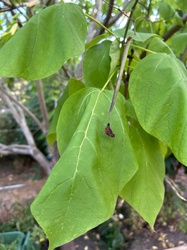
The Catalpa Tree (Catalpa bignonioides) is a fast-growing, dramatic shade tree prized for its huge heart-shaped leaves, showy panicles of frilled white summer flowers, and long slender seed pods. It is an easy, forgiving tree that adapts to a wide range of soils and conditions, making it a rewarding choice for beginners wanting quick impact.
Light
Plant Catalpa in full sun for the best flowering, densest canopy, and strongest structure. It will tolerate light partial shade but blooms less and grows looser. An open location also lets its bold foliage and flowers show to full effect.
Water
Catalpa takes moderate water and tolerates moist soil well, even occasional wet ground. Water young trees regularly through their first couple of seasons to establish deep roots. Mature trees are quite adaptable and handle both average moisture and short dry spells, though they look best with consistent water in heat.
Soil & Potting
This tree is unfussy about soil and grows in clay, loam, or sandy ground across a broad pH range. It tolerates poor and periodically wet soils better than most trees. For best results give it deep, reasonably fertile soil, but do not worry about perfection since adaptability is one of its strengths.
Humidity & Temperature
Catalpa is cold hardy and heat tolerant across temperate zones, shrugging off frost once established. It handles humidity and urban conditions well. Its large leaves can look tattered after strong storms or wind, so a somewhat sheltered site keeps the foliage tidier.
Feeding
Catalpa rarely needs feeding in decent soil. If growth is weak, apply a balanced slow-release tree fertilizer in early spring. Avoid excess nitrogen, which pushes soft, brittle growth prone to storm damage. Mulching over the root zone supplies steady low-level nutrition and conserves moisture.
Propagation
Propagate from seed collected from the mature pods, sown in spring after light stratification, or from hardwood cuttings taken in the dormant season. Seedlings grow quickly. Softwood cuttings in early summer can also root under humid conditions with rooting hormone.
Repotting / Pruning
Prune Catalpa in late winter while dormant to establish a strong central leader and remove crossing, weak, or damaged branches. It responds well to hard pruning and can even be coppiced or pollarded for oversized decorative foliage. Clean up dropped leaves, flowers, and pods, which some gardeners find messy.
Common Problems & Pests
Catalpa is generally trouble-free. Caterpillars may chew the leaves in some regions but rarely cause lasting harm. Verticillium wilt, powdery mildew, and leaf spot can appear, especially on stressed or crowded trees, so ensure good airflow. Its brittle wood can split in storms, another reason to prune for sound structure.
Seasonal Care Tips
In spring, prune for structure and mulch the root zone as growth resumes. Through summer, water during dry spells and enjoy the flowers. In autumn, clean up leaf and pod litter. In winter, the bare architecture and hanging pods add interest; this is the ideal time for any major pruning.
Frequently asked questions
How fast does a Catalpa Tree grow?
Quite fast, often adding a foot or more of height per year when young. This rapid growth makes it a popular choice for quick shade.
Why isn't my Catalpa flowering?
Too much shade is the usual cause. Young trees also need a few years to reach blooming maturity. Give it full sun and be patient for the summer flower display.
Is Catalpa a messy tree?
It can be. It drops flowers, large leaves, and long seed pods through the year. Site it away from patios if litter bothers you, and rake up debris seasonally.
Can I prune a Catalpa hard?
Yes. It tolerates heavy pruning, coppicing, and pollarding done in late winter, which can also produce especially large, dramatic leaves.
Catalpa Tree identified by the community
Recent Catalpa Tree specimens identified with Plant Identifier.