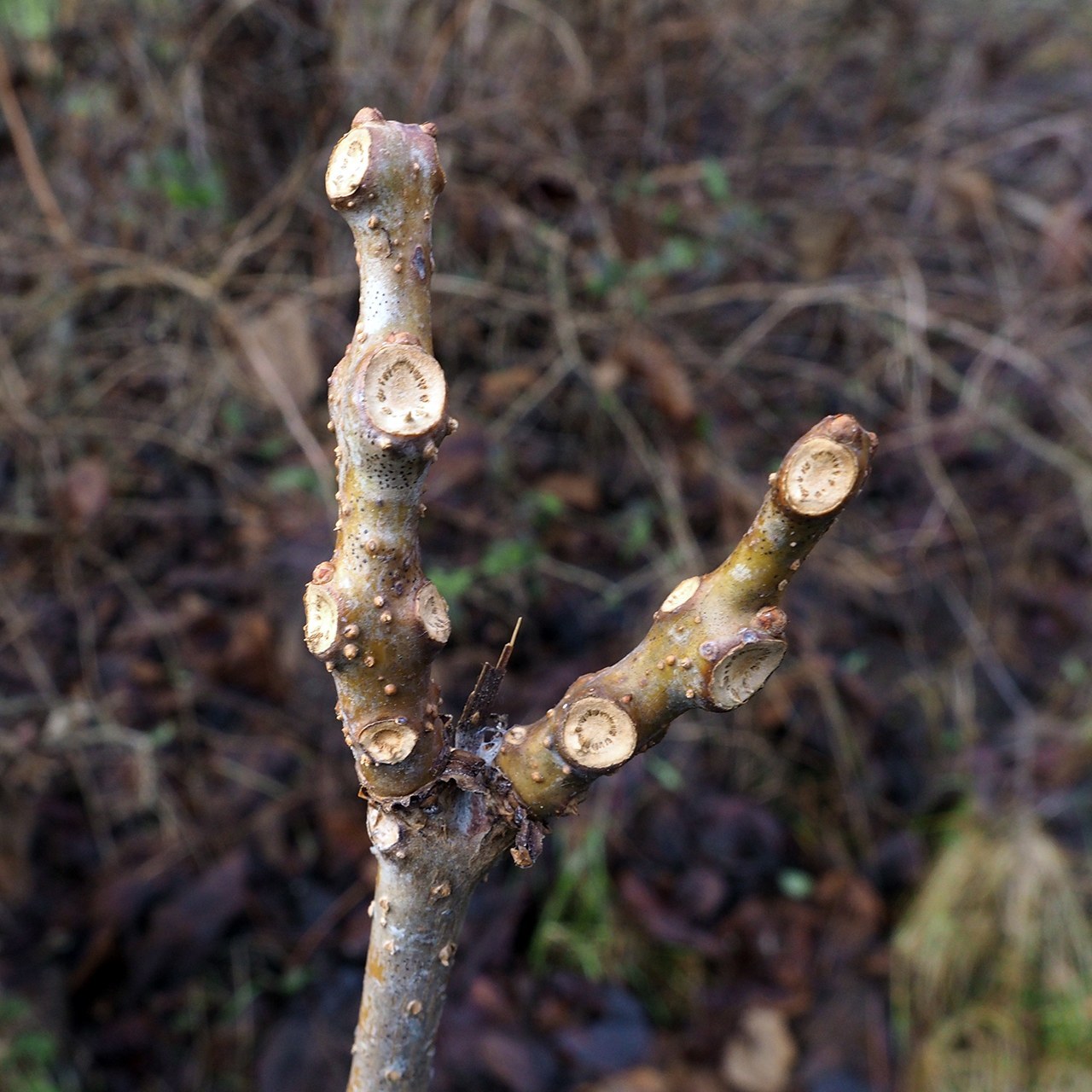
Catalpa Tree
Catalpa bignonioides
The catalpa is a fast-growing deciduous shade tree famous for its huge heart-shaped leaves, showy clusters of frilly white flowers, and long slender seed pods resembling beans or cigars. It is a popular ornamental for large lawns and street plantings.
- Light
- Full sun
- Water
- Moderate; tolerates moist soil
- Difficulty
- Easy
Got a plant like this?
Identify any plant from a photo, free.
Overview
Catalpa bignonioides, the southern catalpa, is a medium-sized deciduous tree native to the southeastern United States. It is grown across temperate regions for its bold foliage and conspicuous early-summer flower display.
The tree's enormous leaves and dangling foot-long seed pods give rise to its common names, the Indian bean tree and cigar tree. It grows quickly, providing dense shade within a few years.
A close relative, the northern catalpa (Catalpa speciosa), is similar but larger; the two are often confused and the name catalpa is applied to both.
How to identify it
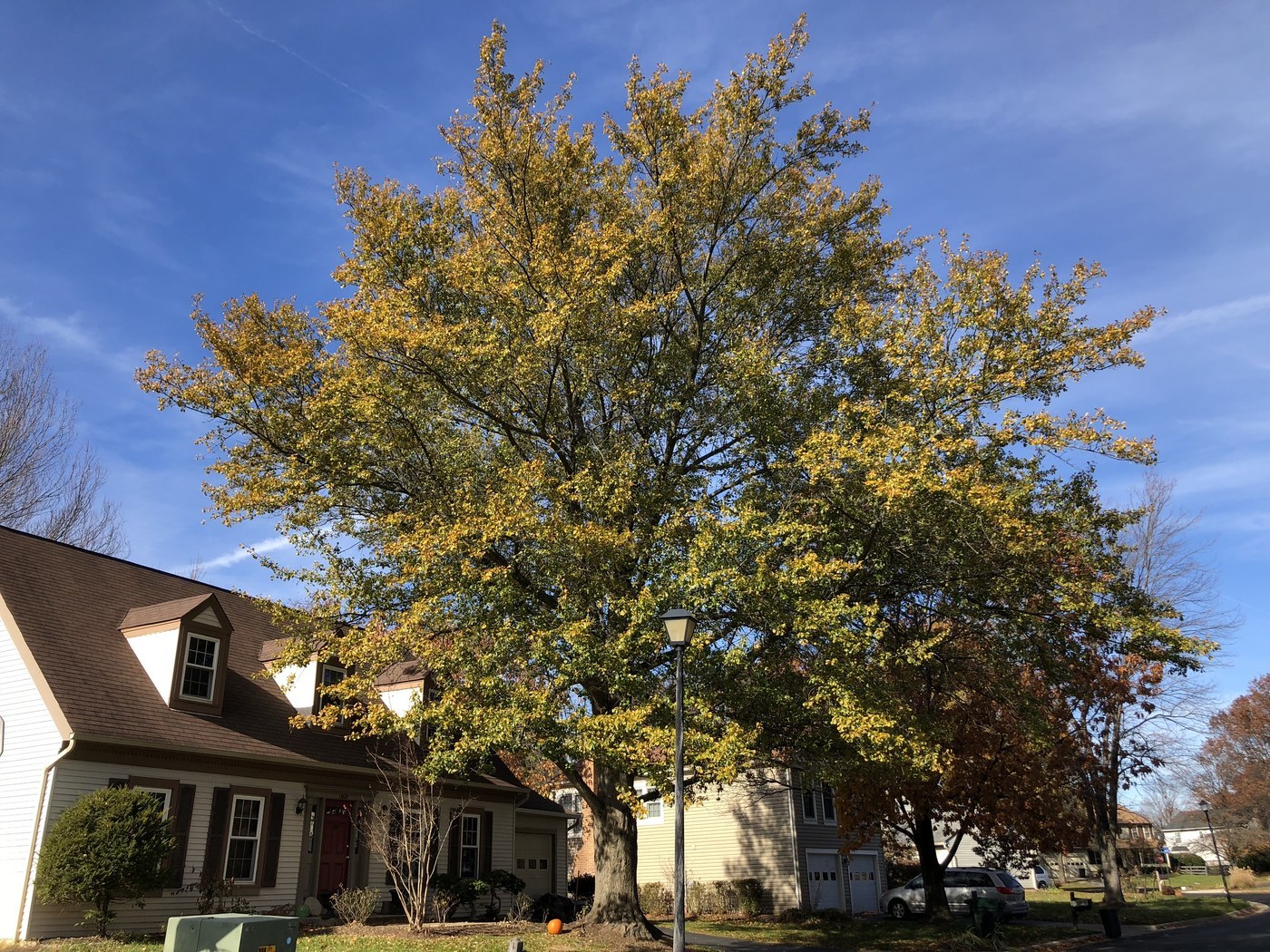
A broad, rounded deciduous tree reaching 10-18 m with an irregular, spreading crown.
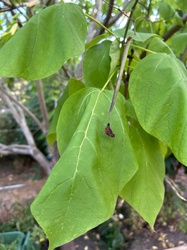
- Leaves: very large (15-30 cm), heart-shaped, soft green, arranged in whorls of three or opposite; emit an unpleasant smell when crushed
- Flowers: showy upright panicles of bell-shaped white blooms with yellow and purple throat markings, in early summer
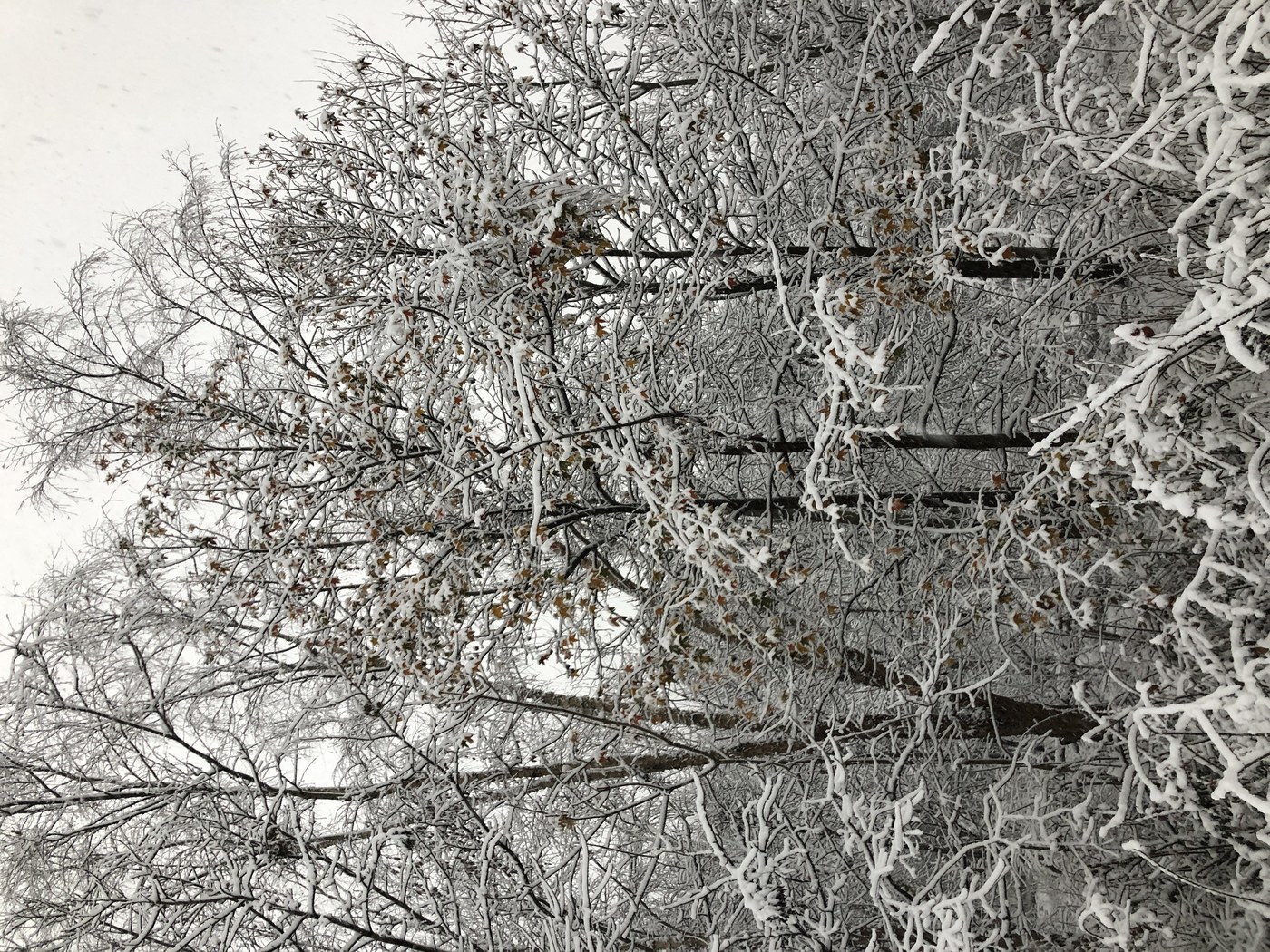
- Fruit: distinctive long, narrow, bean-like pods (20-40 cm) hanging in clusters, persisting into winter
- Bark: light brown-grey, scaly
- Habit: fast-growing, often with low branching and a broad canopy
Care & growing
An adaptable, low-maintenance shade tree for large spaces.
- Light: full sun preferred
- Water: moderate; tolerates wet soils and occasional flooding, also fairly drought-tolerant once established
- Soil: adaptable to most soils including clay and poor ground
- Temperature: hardy across USDA zones 5-9
- Feeding: generally unnecessary; thrives without supplemental fertilizer
- Propagation: by seed sown in spring, or from softwood or root cuttings
Habitat & origin
Native to the floodplains and riverbanks of the southeastern United States, particularly the Gulf states. It naturally favors moist, fertile bottomland soils.
Widely naturalized and planted well beyond its native range across North America, Europe, and Asia as a shade and ornamental tree in parks, gardens, and along streets.
Frequently asked questions
Why does my catalpa have long bean-like pods?
Those slender pods are its seed capsules, giving it the names Indian bean tree and cigar tree. They are normal and split open to release winged seeds.
Is the catalpa messy?
It can be, dropping large leaves, spent flowers, and long pods, so it is best sited away from patios and pools.
How fast does it grow?
Very fast for a shade tree, often 30-60 cm per year when young, reaching mature size in a couple of decades.
When does it flower?
In early summer it bears showy upright clusters of bell-shaped white flowers marked with yellow and purple in the throat.
Catalpa Tree guides
In-depth guides for identifying, growing, and caring for Catalpa Tree.
How to Care for Catalpa Tree
Grow the Catalpa Tree for bold heart-shaped leaves and showy summer blooms. An easy, fast, adaptable shade tree for full sun.
Catalpa Tree Identification Guide
How to identify Catalpa trees by their giant heart-shaped leaves, showy white bell-flowers, and long slender bean-like seed pods.
Catalpa Tree identified by the community
Real specimens identified with Plant Identifier.