
How to Care for Catnip
Catnip (Nepeta cataria) is an easy, drought-tolerant perennial herb that thrives in full sun and well-drained soil.
Read the full Catnip encyclopedia entry →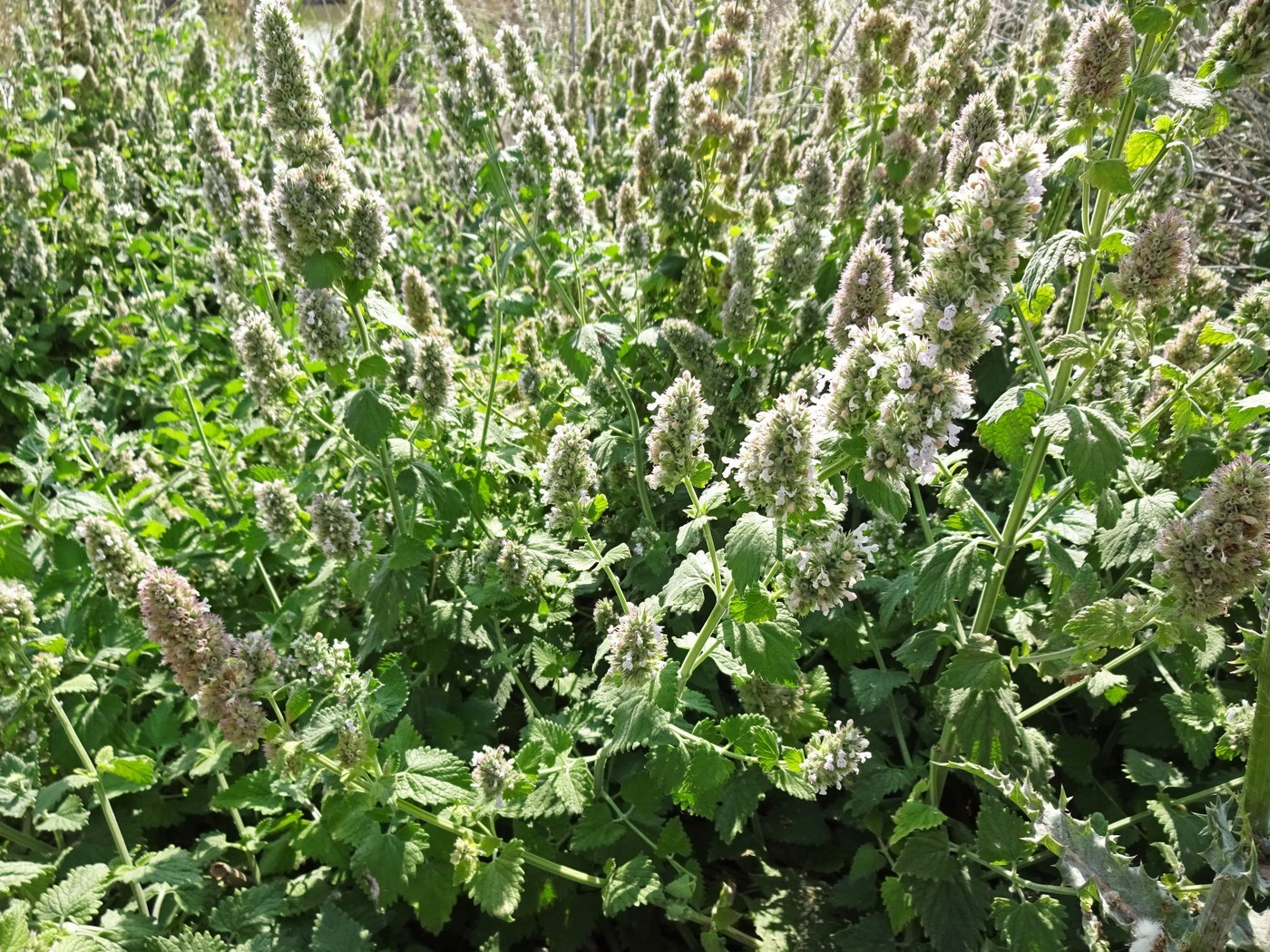
Catnip, Nepeta cataria, is a vigorous, aromatic perennial in the mint family with soft gray-green leaves and small spikes of white flowers. It is genuinely low-maintenance, tolerating heat, drought and poor soil, which is why it rates as an Easy plant for beginners and container gardeners alike.
Light
Grow catnip in full sun for the sturdiest, most compact plants and the most abundant flowering. It also grows in part shade, though shade-grown plants tend to be leggier and floppier. Indoors, give it the brightest window you have, ideally a south-facing sill, and rotate the pot so it grows evenly toward the light.
Water
Catnip is drought-tolerant and prefers to stay on the dry side. Water established plants only when the soil has dried out, keeping moisture low to moderate. Overwatering and soggy soil are the most common causes of decline, so let containers approach dryness between waterings. Young seedlings and newly set transplants need more consistent moisture until their roots establish.
Soil & Potting
Plant in loose, well-drained soil of average to lean fertility. Rich, heavily amended soil produces lush but weak, less aromatic growth, so no special enrichment is needed. Sandy or loamy soils are ideal, and slightly alkaline to neutral conditions suit it well. In pots, use a free-draining general potting mix and ensure the container has drainage holes to prevent waterlogging.
Humidity & Temperature
Average room humidity and normal outdoor conditions are fine; catnip is not fussy about moisture in the air and actually prefers good airflow. It is cold-hardy as a perennial across a wide temperature range and shrugs off summer heat once established. Space plants for good air circulation to keep the foliage dry and reduce the chance of fungal issues.
Feeding
Catnip needs very little feeding. In lean soils, a single light application of a balanced fertilizer in spring is plenty. Avoid heavy nitrogen, which causes floppy, sprawling growth and dilutes the plant's characteristic fragrance. Container plants can be given a diluted balanced feed once or twice during the growing season.
Propagation
Propagate catnip easily by seed, division or stem cuttings. Sow seed in spring; a period of cold, moist stratification improves germination. Established clumps can be divided in spring or autumn to make new plants and rejuvenate old ones. Softwood stem cuttings taken in early summer root readily in moist mix. Catnip also self-seeds freely, so deadhead if you want to limit spread.
Repotting / Pruning
Repot container plants each spring or when rootbound, moving up one pot size. Shear the plant back by about a third after the first flush of flowers to encourage fresh, bushy regrowth and a possible second bloom. Regular trimming keeps the plant tidy and productive, and cutting back hard in late autumn or early spring removes tired stems before new growth begins.
Common Problems & Pests
Catnip is largely trouble-free. The main issues stem from overwatering and poor drainage, which cause root rot and yellowing. Powdery mildew and leaf spot can appear in humid, crowded conditions, so improve airflow and avoid overhead watering. Aphids, whiteflies and spider mites occasionally visit; rinse them off or use insecticidal soap. Leggy, sprawling growth is usually a sign of too little light or too much nitrogen.
Seasonal Care Tips
Start seeds or set out transplants in spring and give young plants steady water until established. Through summer, water sparingly, shear after flowering and enjoy the peak fragrance. In autumn, divide crowded clumps and cut back spent stems. In cold climates the plant dies back and returns from the roots in spring; a light mulch protects the crown over winter without smothering it.
Frequently asked questions
How much sun does catnip need?
Full sun is best, producing compact, sturdy, fragrant plants with plenty of flowers. It tolerates part shade but becomes leggy and floppy with less light.
How often should I water catnip?
Water only when the soil dries out. Catnip is drought-tolerant and prefers dry conditions, so err on the side of underwatering. Soggy soil is the main cause of problems.
Why is my catnip floppy and sprawling?
Legginess usually comes from too little light or too much nitrogen fertilizer. Move it to full sun, cut back on feeding, and shear the plant by a third to encourage bushier growth.
Can I grow catnip in a pot?
Yes. Use a free-draining potting mix in a container with drainage holes, place it in your brightest spot, and let it approach dryness between waterings. Repot each spring if it becomes rootbound.
How do I propagate catnip?
Sow seed in spring, divide established clumps, or root softwood cuttings in early summer. Catnip also self-seeds readily, so deadhead the flowers if you want to keep it from spreading.