Catnip
Nepeta cataria
Catnip is a hardy, easy-growing mint-family herb famous for the response it triggers in many cats. It is also a useful pollinator and pest-repelling plant.
- Light
- Full sun to part shade
- Water
- Low to moderate; drought-tolerant
- Difficulty
- Easy
Got a plant like this?
Identify any plant from a photo, free.
Overview
Catnip is a hardy herbaceous perennial in the mint family (Lamiaceae), best known for the volatile compound nepetalactone, which produces a temporary response in roughly two-thirds of domestic cats (and some big cats).
The plant forms a bushy, gray-green clump 50-100 cm tall, with a slightly musky, minty aroma. It is sometimes distinguished from the more compact, showier ornamental 'catmints' (other Nepeta species and hybrids), though all share the catnip name.
How to identify it
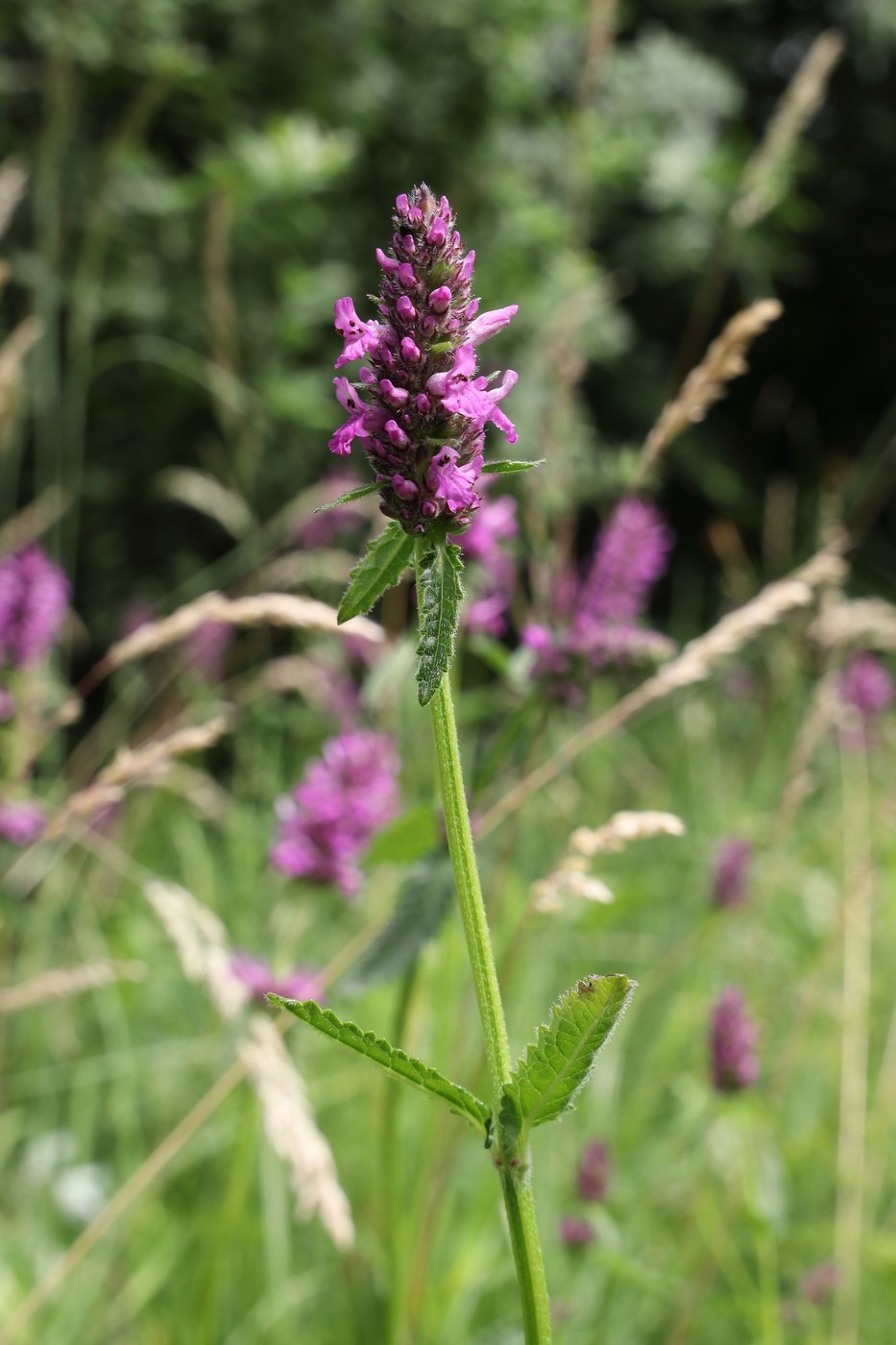
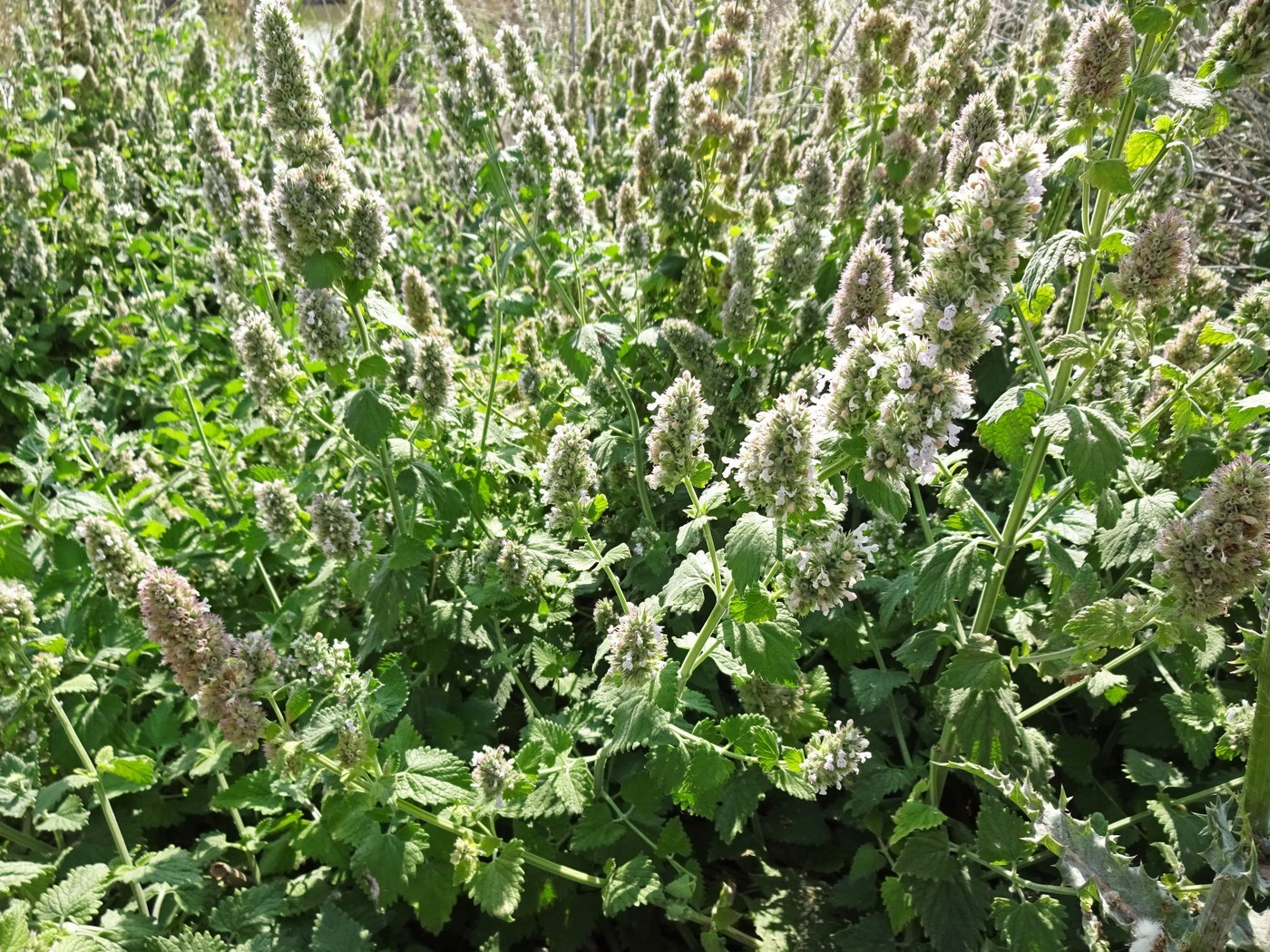
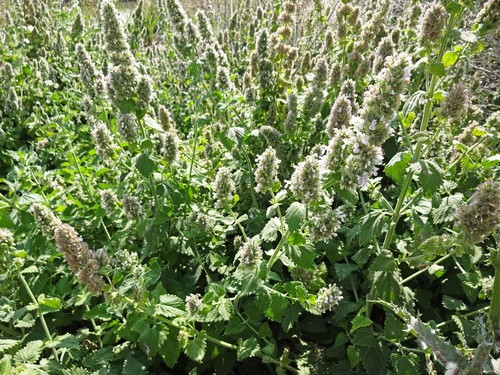
- Leaves: Heart-shaped to triangular, gray-green, with scalloped/toothed edges and a soft, downy underside, in opposite pairs
- Aroma: Musky, minty smell when crushed
- Stems: Square and branching, often slightly hairy
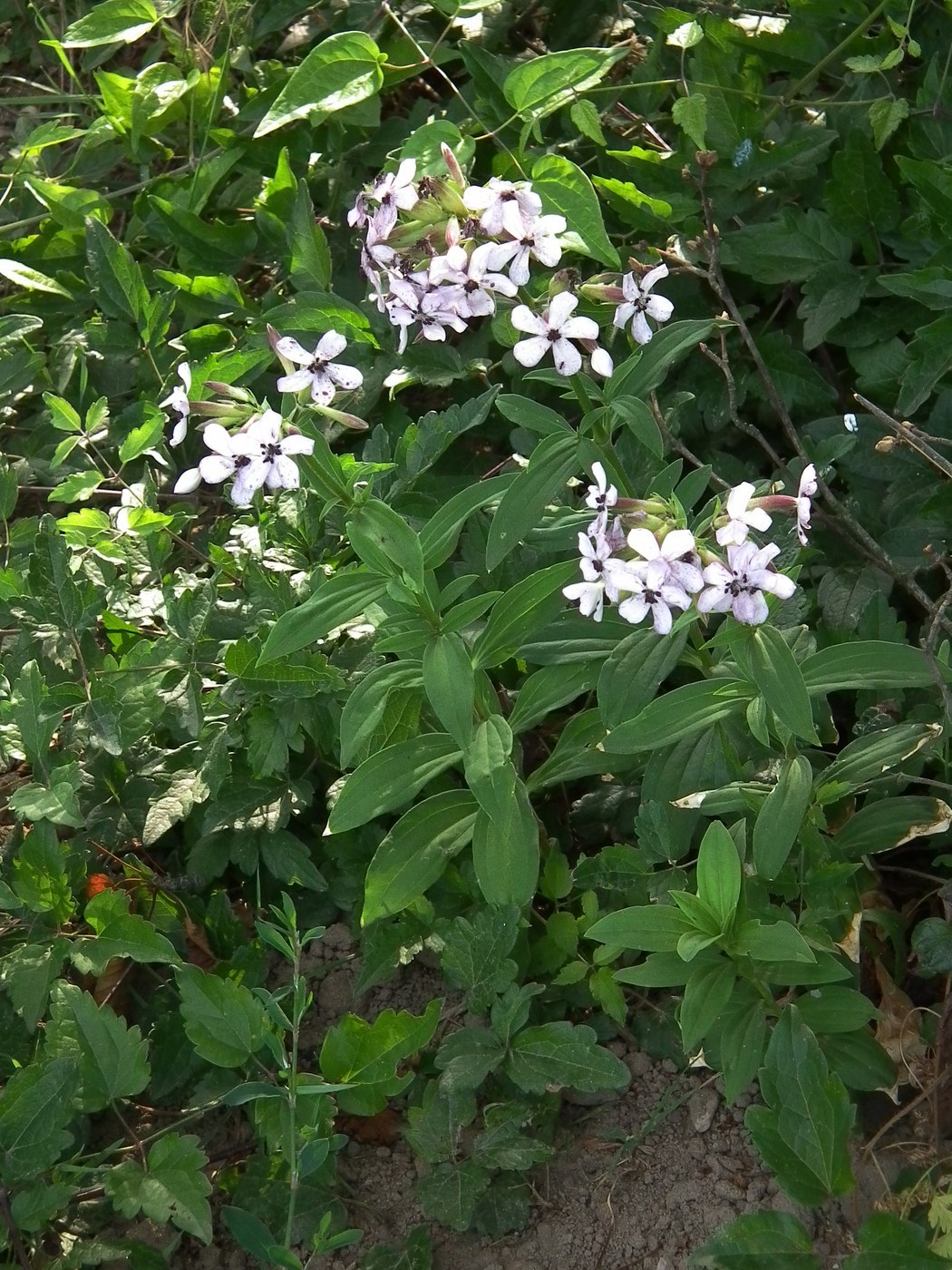
- Flowers: Small white to pale lavender, spotted with purple, in spikes at the stem tips
- Habit: Bushy, somewhat sprawling clump 50-100 cm tall
Care & growing
- Light: Full sun to partial shade
- Water: Low to moderate; drought-tolerant once established and dislikes soggy soil
- Soil: Average, well-drained soil; tolerates poor ground
- Temperature: Very hardy, roughly zones 3-9
- Feeding: Rarely needed
- Propagation: Easy from seed, division or cuttings; cut back after flowering to keep it tidy and encourage fresh growth. Can self-seed
Habitat & origin
Catnip is native to Europe, Central Asia and parts of the Middle East, growing wild on roadsides, dry banks and disturbed ground. It has naturalized widely across North America and other temperate regions.
It is grown in herb gardens, pollinator plantings and pots, and is cultivated commercially to supply dried catnip for cat toys.
Frequently asked questions
Why do cats react to catnip?
They respond to nepetalactone, an oil in the leaves and stems, which triggers a temporary reaction. About two-thirds of cats are genetically sensitive to it.
How can I recognize catnip?
Look for heart-shaped to triangular gray-green leaves with scalloped edges and a downy underside, square branching stems, and spikes of small white to pale lavender flowers spotted with purple.
How do I grow catnip if cats keep destroying it?
Protect young plants with a cage or grow them out of reach until established, since cats roll on and chew the foliage. Mature plants usually recover from light damage.
Catnip guides
In-depth guides for identifying, growing, and caring for Catnip.
How to Care for Catnip
Catnip (Nepeta cataria) is an easy, drought-tolerant perennial herb that thrives in full sun and well-drained soil.
Catnip Identification Guide
Recognize catnip by its grayish-green, downy, heart-shaped toothed leaves, square stems, spikes of spotted white-to-lilac flowers, and minty smell that attracts cats.